
Knowing how often to vacuum each room is the first step to a consistently clean home.
Most homes need vacuuming at least once a week. But the right schedule for your home depends on who lives there, what type of flooring you have, and how much traffic moves through each room. A single-person apartment with tiled floors needs a very different routine to a family home with carpet, a dog, and a toddler.
The Short Answer on Vacuuming Frequency
Here is how vacuuming frequency typically breaks down across Australian households:
- Daily: Homes with pets that shed heavily, young children, or anyone with severe allergies.
- Two to three times a week: High-traffic areas like hallways, living rooms, and kitchens in most family homes.
- Once a week: The standard for most rooms in a typical household, including bedrooms and dining areas.
- Every one to two weeks: Lightly used rooms, guest bedrooms, or small low-occupancy apartments.
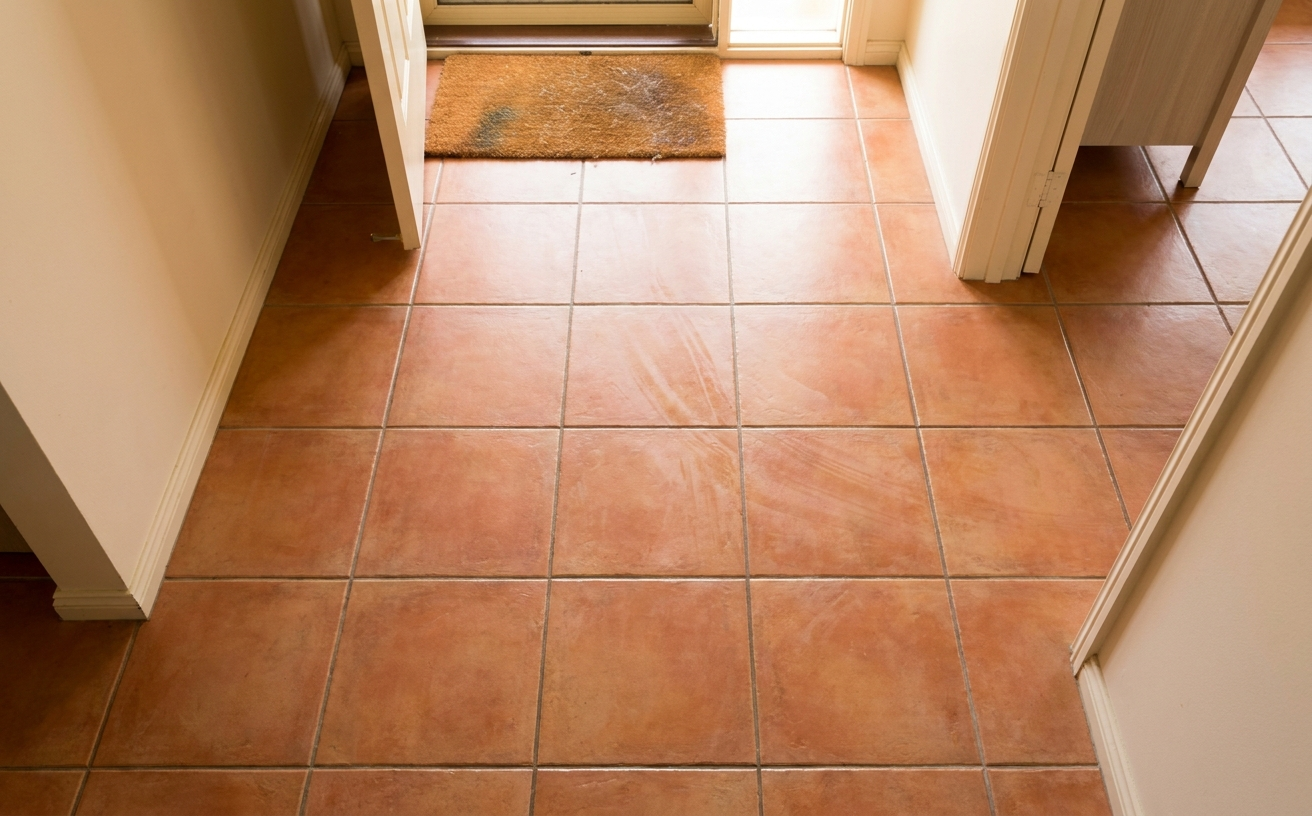
High-traffic entryways and hallways accumulate dirt fastest and benefit from more frequent vacuuming.
Factors That Affect How Often You Should Vacuum
Five variables move your baseline schedule up or down: pets, allergies in the household, flooring type, the number of people living in the home, and how much outdoor dirt comes in through the door.
Pets
Dogs and cats shed hair and dander constantly, and both settle into carpets, soft furnishings, and floor gaps quickly. If you have one or more pets that spend time indoors, plan to vacuum the areas they use most at least every two to three days. For heavy shedders during moulting season, daily vacuuming in those zones is realistic.
Allergies and Asthma
Dust mites, pet dander, and pollen are the main indoor allergens that accumulate in carpet fibres and on hard floors. Anyone managing allergies or asthma in your household will benefit from more frequent vacuuming, ideally with a vacuum that has a sealed HEPA filter to trap fine particles rather than redistributing them into the air. In these homes, vacuuming every two to three days is a reasonable baseline. For more context, see what dust is made of.
Flooring Type
Carpet holds significantly more dust, allergens, and debris than hard flooring. It requires more frequent and more thorough vacuuming because dirt embeds into the fibres rather than sitting on the surface. Hard floors such as timber, tiles, and vinyl show dirt and hair more readily, but they can be managed with slightly less frequent deep vacuuming sessions.
Number of People in the Home
More occupants means more foot traffic, more skin cells, more tracked-in dirt, and generally more mess. A single person living alone can often manage with a weekly vacuum in most rooms, while a household of four or more with children will find that some rooms need attention every few days.
Entryways and How Much Dirt Comes In
Homes near beaches, construction sites, or with large gardens tend to bring in more outdoor debris. The entryway, mudroom, or landing at the front door is typically the highest-accumulation zone in any home, regardless of household size.
How Often to Vacuum Each Room
Frequency should track how heavily a room is used and how much dirt enters or accumulates there. Below is a room-by-room baseline for an average household, which you can adjust upwards if pets, allergies, or kids are part of the picture.
Entryways and Hallways
Every one to two days. Shoes carry in dirt, grit, and moisture from outside, and this debris quickly spreads to other areas if left unchecked.
Living Room
Two to three times a week for most households, or daily if you have pets or young children. The living room takes a lot of daily use from sitting, eating, and foot traffic, and if pets or kids are involved, it tends to accumulate hair, crumbs, and dust faster than almost any other space.
Kitchen
Two to three times a week. Crumbs and food debris collect quickly near benchtops, dining chairs, and under appliances. If you vacuum before mopping, you avoid pushing fine debris around and get a more effective result on both counts.
Bedrooms
Once a week for most bedrooms. Adults shed skin cells, hair, and fibre from bedding continuously, so a weekly vacuum of the carpet or hard floor keeps allergen levels manageable. If a family member has asthma or allergies, step this up to twice a week.
Bathroom
Once a week or as needed. Hair and dust accumulate near floor vents, behind the toilet, and under bathroom cabinetry. A quick vacuum before mopping produces a cleaner finish.
Low-Traffic and Guest Rooms
Every one to two weeks. Rooms that see little daily use still accumulate dust, particularly from vents and windows. A fortnightly vacuum is usually sufficient unless the room is opened regularly or used for storage.
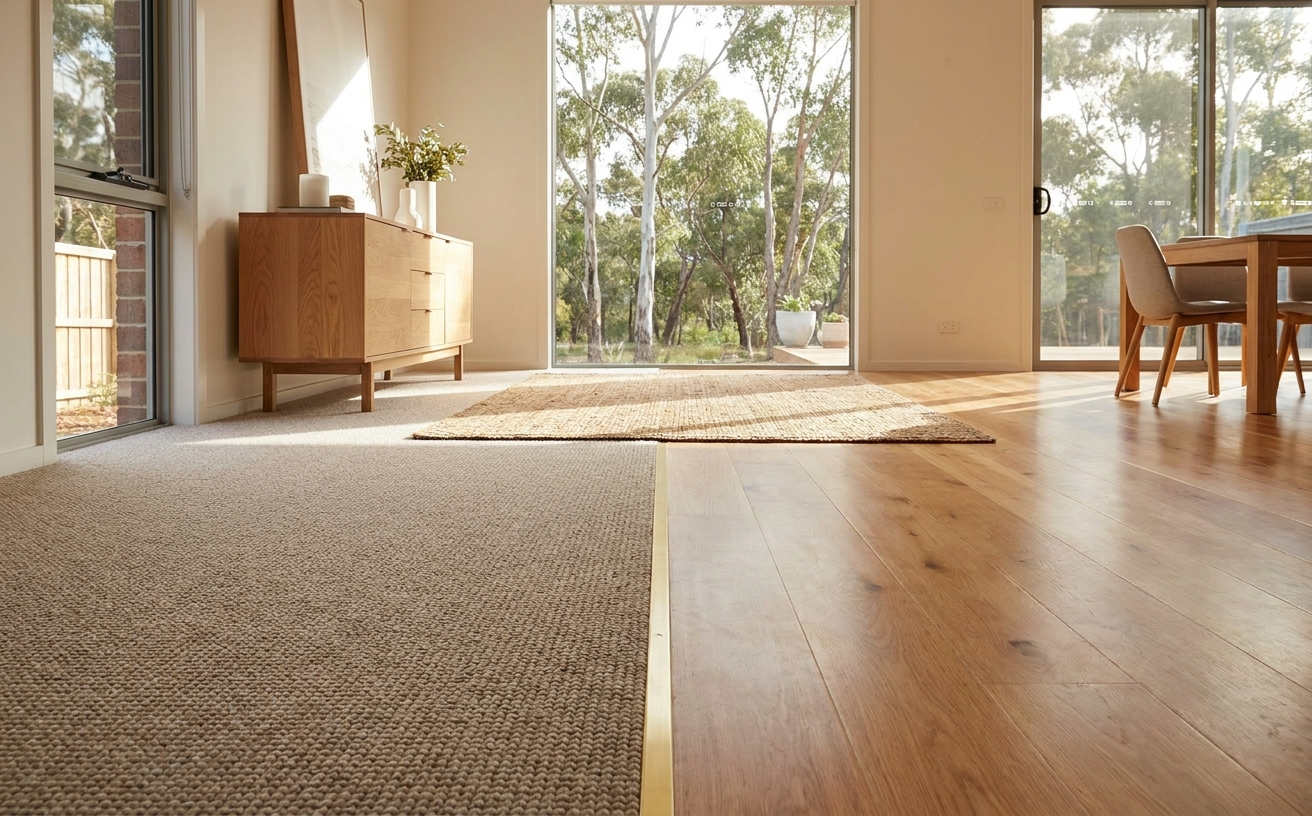
Carpet requires more frequent vacuuming than hard floors because it traps dirt, hair, and allergens within its fibres.
Signs You Are Not Vacuuming Enough
Practical indicators that your current schedule needs adjusting:
- Dust lines forming along skirting boards or in room corners.
- Hard floors feel gritty underfoot even after sweeping.
- Carpet fibres look flattened or matted in high-traffic paths rather than springing back.
- An increase in allergy or asthma symptoms indoors.
- Pet hair visible on soft furnishings or clinging to clothing immediately after sitting down.
If a home goes uncleaned for months, the consequences are concrete. Dust mite populations in carpet and bedding can multiply into the hundreds of thousands per square metre. Carpet fibres compress permanently in walking paths, and embedded grit cuts the fibres each time they are stepped on, shortening the carpet’s lifespan by years. Indoor airborne particle levels rise as dust is disturbed by foot traffic and re-enters the air with nothing trapping it. The damage from prolonged neglect is largely irreversible without professional intervention.
Tips for More Effective Vacuuming
How you vacuum matters as much as how often. The points below cover the maintenance habits and technique adjustments that determine whether each session actually removes dirt or just moves it around.
Empty the Bin Regularly
A full or near-full dustbin reduces suction noticeably. Empty the bin after every one to two sessions, or more often if you are cleaning up after pets or a particularly dusty room.
Slow Down on Carpet
Moving quickly over carpet only picks up surface-level debris. A slower pass, particularly in high-traffic zones, allows the suction to pull dirt out from within the fibres.
Vacuum Before You Mop
Always vacuum hard floors before mopping. Running a mop over a floor that still has fine dust and hair turns those particles into a wet paste that smears rather than cleans. Our vacuuming vs mopping guide breaks down where each method actually does the work.
Do Not Ignore Edges and Corners
Dust and hair accumulate in corners and along skirting boards faster than in the open floor area. Use an edge or crevice attachment to clean these zones, especially in bedrooms and hallways where the accumulation is heaviest.
Consider Annual Deep Cleaning for Carpets
Regular vacuuming keeps carpet clean at the surface level, but over time, fine particles embed deeper into the pile than household vacuums can reach. A professional hot-water extraction clean once a year helps restore carpet condition and removes allergen buildup that has settled below the surface.
Can a Robot Vacuum Replace Your Regular Vacuuming?
A robotic automatic vacuum cleaner does not replace manual vacuuming entirely, but it changes what your manual cleaning needs to do. Running a robot vacuum daily, or on a scheduled basis, keeps surface-level debris, dust, and pet hair from accumulating between your manual sessions. This means that when you do vacuum manually, you are dealing with less built-up mess and can focus on the areas that need more attention, like corners, stairs, and under furniture. For a more specific automation schedule, see how often to use a robot vacuum.
The Narwal Flow robot vacuum and mop is built to handle that daily background work. Its 22,000 Pa suction lifts pet hair, fine dust, and tracked-in grit from both hard floors and carpet, and the maintenance-free base station empties the dustbin, washes the mops with 113°F water, and dries them automatically after each run. With a 6,400 mAh battery delivering up to 90 minutes of runtime, it covers a full home in a single pass without your involvement, which is what makes daily scheduled cleaning realistic rather than aspirational.
[cta:narwal-flow-robot-vacuum-mop]
If you want to go even longer between any kind of hands-on attention, the Narwal Freo X10 Pro robot vacuum and mop pairs 11,000 Pa suction with a 120-day self-empty dock. The dock compresses dust into a sealed bag, so you only deal with bin emptying roughly four times a year while the robot continues its daily routine. For households where building a consistent vacuuming habit has been the main barrier, this is the closest thing to set-and-forget the category offers.
[cta:narwal-freo-x10-pro-robot-vacuum-mop]
For the manual cleans you still need to do, the Narwal S30 Pro wet and dry vacuum is designed to make each session more thorough rather than more frequent. Its 20,000 Pa suction handles wet spills and dry debris in a single pass, the built-in scissors cut through tangled hair before it wraps around the brush, and the 60-minute runtime covers up to 4,300 square feet on one charge. After each clean, the unit self-washes its brush at 194°F and dries internally, so it is ready for the next use without manual maintenance.
[cta:narwal-s30-pro-wet-dry-vacuums]
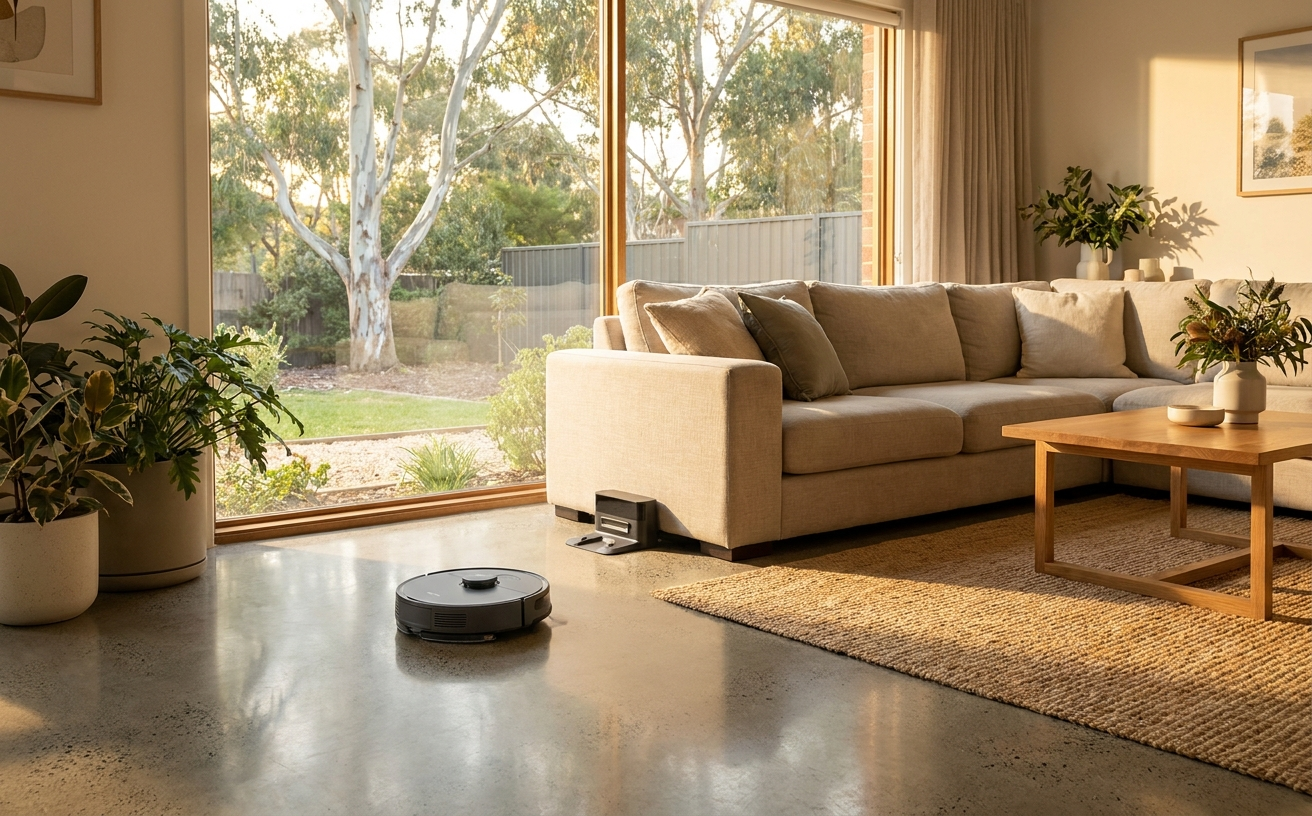
A robot vacuum running on a daily schedule reduces visible dust and pet hair accumulation between manual cleaning sessions.
FAQs
Is it better to vacuum or sweep hard floors?
Vacuuming is generally more effective than sweeping on hard floors because it removes fine dust and particles from gaps and crevices rather than pushing them across the surface or into the air. Sweeping can disturb fine dust and redistribute it rather than capturing it.
Can you vacuum too often?
Not really, for most floor types. Frequent vacuuming on carpet does not cause damage with a well-maintained machine and appropriate suction settings. On delicate rugs or very fine fibres, using a lower suction setting is sensible, but regular vacuuming does not shorten the life of standard carpet or hard flooring.
How often should you vacuum if someone in the home has asthma?
At minimum every two to three days in rooms the person uses regularly, ideally with a HEPA-filter vacuum. Bedrooms in particular should be prioritised, and mattresses should be vacuumed weekly as they accumulate dust mites quickly.
Does vacuuming help with allergies?
Yes, when done correctly. Vacuuming removes a significant portion of dust mite debris, pet dander, and pollen from carpet, rugs, and soft furnishings, which directly reduces allergen exposure. The vacuum itself matters: a sealed HEPA-filter unit captures fine particles rather than blowing them back into the air. Without proper sealing and filtration, vacuuming can temporarily worsen symptoms by stirring allergens up.
Why do I feel sick after vacuuming?
The most common cause is fine dust escaping back into the air through unsealed seams, a clogged filter, or a vacuum without HEPA-grade filtration. Dust mite particles, pet dander, and mould spores are small enough to bypass standard filters and stay airborne for up to two hours after vacuuming. Switching to a vacuum with a sealed HEPA filter, replacing the filter on schedule, and ventilating the room during and after cleaning usually resolves it.
What is the correct order to clean a room?
Top to bottom, dry before wet. Dust ceiling fans, light fittings, and high shelves first so fallen dust lands on surfaces you have not cleaned yet. Wipe down surfaces and furniture next. Vacuum the floor last among the dry tasks (more on whether to dust or vacuum first). Mop hard floors only after vacuuming, otherwise the mop turns fine dust into streaks.
How often should you clean your vacuum?
Empty the dustbin after every one to two uses. Clean or replace the filters according to the manufacturer’s schedule, typically every one to three months depending on usage. A vacuum that is not maintained properly loses suction and distributes more fine particles back into the air during use.
What should you never vacuum up?
Avoid vacuuming broken glass shards, large quantities of liquid, fine ash from fireplaces or cigarettes, fine construction dust such as plaster or drywall, large amounts of dirt or sand from indoor plants, and anything still hot or smouldering. These either damage the motor and filters, clog the airways, or push fine particles straight through the filter into the room. For wet spills, use a wet and dry vacuum specifically rated for them.


