
A typical Australian home with mixed hard floors and carpet areas
Carpets trap more dust, pet hair, and allergens than hard floors, and most robot vacuums are not built to deal with that. A robot vacuum cleaner for carpet needs higher suction, a brush system that agitates fibres without tangling, and sensors that detect carpet and adjust cleaning automatically. In Australia, where homes often mix tiles, timber, and carpet across different rooms, the robot also needs to lift its mop pads before crossing onto rugs. If you are new to automatic carpet cleaning, understanding what separates a capable machine from a basic one saves time and money.
The Narwal Flow robot vacuum and mop delivers 22,000 Pa suction with CarpetFocus technology that seals airflow against the carpet surface, doubling its pickup rate compared to the industry average. For homes with mixed flooring and medium to heavy carpet use, the Narwal Freo Z10 Ultra is a strong alternative at a lower price point.
What Makes a Robot Vacuum Good on Carpet?
Carpet fibres resist airflow and trap particles deeper than hard floors. A robot that cleans tiles well may leave embedded dirt behind on even a low-pile rug. Four factors determine carpet performance: suction power, brush design, carpet detection, and mop management.
Suction Power
Suction sets the baseline. For low-pile carpets and thin area rugs, 8,000 to 10,000 Pa handles everyday dust and crumbs. Medium-pile carpet, common in Australian bedrooms, needs 12,000 to 18,000 Pa to extract finer particles and pet hair that weaves into the pile. Thick or high-pile carpet needs 18,000 Pa or more, though shag and very deep-pile rugs may be too dense for any robot to fully clean. Raw Pa numbers are only part of the picture. Sealed airflow chambers, like Narwal’s CarpetFocus, and the gap between the robot chassis and the floor both influence how much suction reaches the carpet surface.
Brush Design
A roller brush that sits close to the carpet and agitates the fibres loosens embedded particles for the airflow to carry away. Rubber rollers and floating brush designs reduce hair tangling, which degrades carpet cleaning performance over time if left unaddressed.
Carpet Detection and Mop Lift
Automatic carpet detection ties everything together. When the robot senses carpet, it should increase suction and lift its mop pads clear of the rug. Without at least 12 mm of mop lift, wet pads drag across carpet and leave damp patches that can promote mould in humid Australian climates.
Dust Storage and Noise
Carpet generates more debris per run than hard floors, so auto-empty base stations with large dust bags reduce maintenance. Carpet runs are also louder than hard floor runs because the brush works harder against the fibres, so check the vacuum mode noise rating if you run the robot at night.
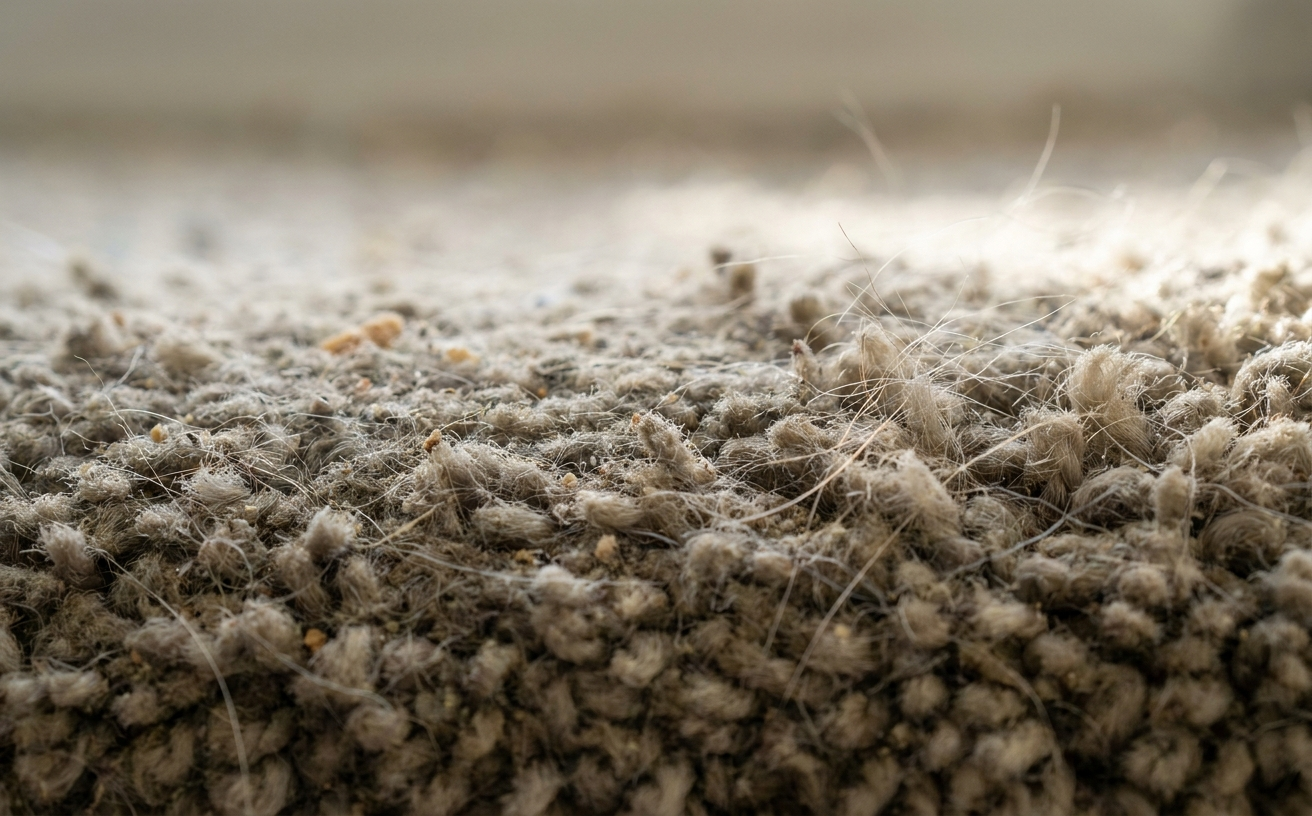
Carpet fibres trap dirt deep below the surface, requiring strong suction to extract
Carpet Types and What Each One Needs
Australian homes use low-pile, medium-pile, and high-pile carpet in different rooms, and each type responds differently to robot vacuums. Matching the robot’s suction and brush system to your carpet type is the single most important factor in getting a good clean.
Low-Pile Carpet
Low-pile carpet, including most commercial-grade and loop-pile options, is the easiest for robots to clean. Almost any model above 8,000 Pa handles it well. These carpets create minimal airflow resistance, so even mid-range robots maintain strong pickup rates.
Medium-Pile Carpet
Medium-pile carpet, common in bedrooms and living rooms, needs at least 10,000 Pa and benefits from a brush that sits close to the surface. Pet hair weaves deeper into medium-pile fibres than it does into low-pile, so tangle-free brush systems become more important at this level.
High-Pile and Plush Carpet
High-pile and plush carpets, including some wool blends popular in cooler parts of Australia, resist airflow and trap particles deep in the fibres. Models above 18,000 Pa can extract some of this embedded dirt, but they do not replace periodic manual deep cleaning. Shag and very thick rugs are generally too dense for any robot vacuum. The Narwal Freo Z10 Ultra and Narwal Flow can detect these surfaces and avoid them to prevent the robot from getting stuck. For wool-specific care, see our wool rug cleaning guide.
Rug Edges and Floor Transitions
Thin area rugs with folded edges or tassels can catch side brushes or lift under the robot. Most mid-range and premium models cross thresholds between 15 mm and 20 mm without difficulty. The Narwal Flow handles gaps up to 40 mm, which covers most Australian door thresholds and transition strips between tiled and carpeted rooms. If you have thick rugs with raised borders, check the robot’s climbing height before purchasing. For more on how robots interact with different rug types, see this guide to using a robot vacuum on rugs.
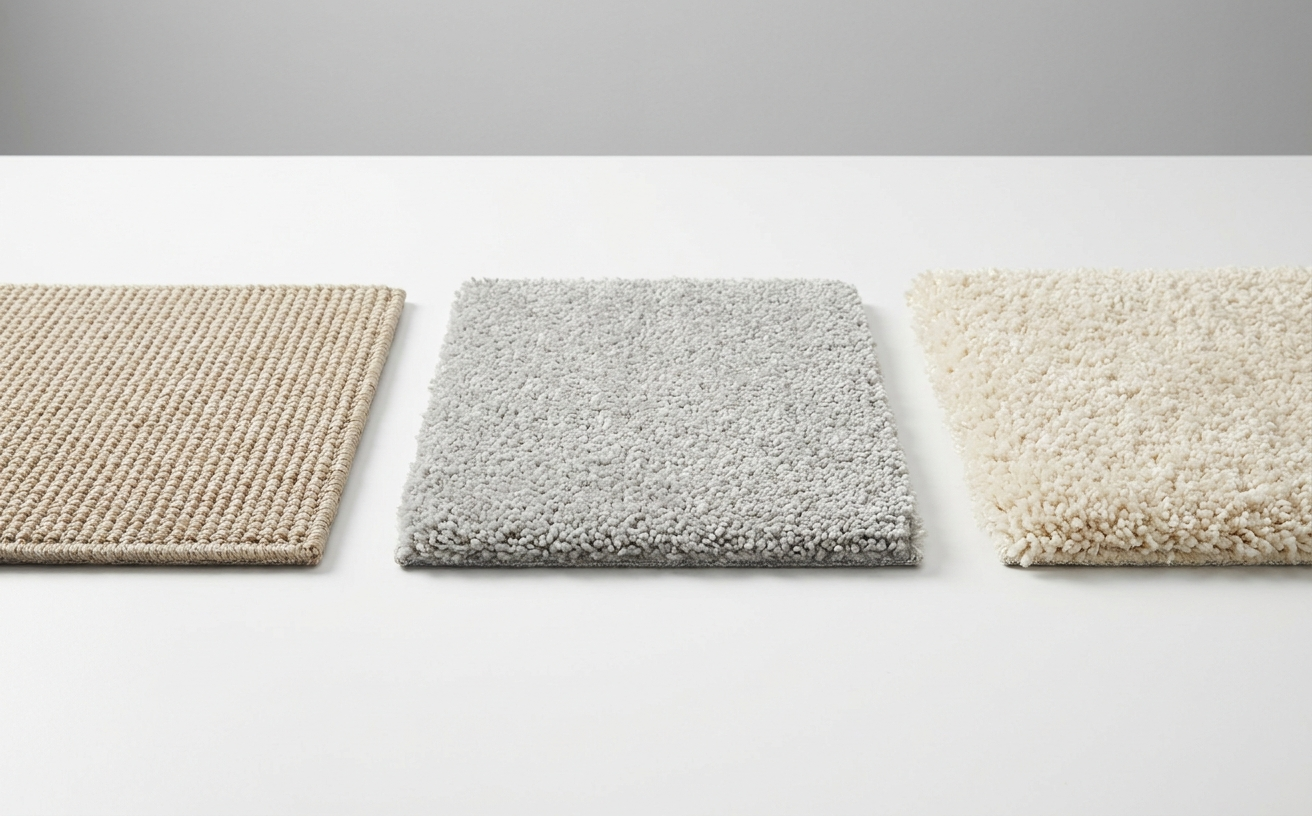
Low-pile, medium-pile, and plush carpet each require different suction levels
Best Robot Vacuums for Carpet in Australia
The six models below represent the strongest carpet performers available in Australia in 2026, spanning three price tiers. Narwal Flow leads on sealed-airflow carpet technology, Dreame X60 Max Ultra leads on raw suction, and iRobot Roomba s9+ is the only vacuum-only option for carpet-heavy homes. Each pick is evaluated on suction, mop lift, tangle resistance, and carpet detection.
Narwal Flow: Best Overall for Carpet
[cta:narwal-flow-robot-vacuum-mop]
The Narwal Flow robot vacuum and mop is the strongest carpet performer in Narwal’s current Australian lineup. Its 22,000 Pa suction pairs with CarpetFocus technology, which lowers a brush cover on carpet to create a sealed high-pressure airflow zone. Narwal’s lab data shows this doubles the pickup rate compared to the industry average and increases effective suction power by 182%.
The DualFlow tangle-free system uses a single-sided roller brush connection that directs hair into the dustbin instead of wrapping it around the brush bar. SGS testing confirmed a 0% hair tangling rate across human hair, pet fur, and carpet fibre. On mixed floors, the Flow automatically lifts its track mop 12 mm when it crosses onto carpet. Dual 136-degree RGB cameras and an onboard AI chip identify over 200 types of obstacles.
The base station washes mops with 113°F warm water, sterilises with 176°F hot water, and stores up to 120 days of compressed dust in a 2.5L bag. Noise stays at or below 60 dB during vacuum and mop mode.
Best for: homes with medium to thick carpet, pet owners, mixed-floor layouts
Narwal Freo Z10 Ultra: Best All-in-One for Mixed Floors
[cta:narwal-freo-z10-ultra-robot-vacuum-mop]
The Narwal Freo Z10 Ultra robot vacuum and mop pairs 18,000 Pa suction with a triangular EdgeReach mop that extends and twists to clean corners and wall edges. On carpet, it lifts its mop pads 12 mm and boosts suction by 160%. The matrix cleaning pattern crosses carpet in both horizontal and vertical passes, pulling debris from multiple angles.
Dual 136-degree cameras and dual AI chips detect objects as small as 1 cm and clean along furniture within 5 mm. The base station washes mops with AI-adaptive hot water between 113°F and 167°F depending on the type of dirt detected, and self-empties into a 2.5L dust bag that lasts up to 120 days. The DualFlow tangle-free system keeps brushes clear of hair without maintenance.
Noise is as low as 56 dB in both vacuum and mop modes.
Best for: homes with carpet and hard floors in roughly equal measure, pet families, strong edge cleaning
Narwal Freo X10 Pro: Best Mid-Range Carpet Performer
[cta:narwal-freo-x10-pro-robot-vacuum-mop]
The Narwal Freo X10 Pro robot vacuum and mop offers 11,000 Pa suction with a MopExtend system that reaches edges, corners, and toe kicks. Ultrasonic floor sensors detect carpet and switch between four cleaning modes via the app, with 12 mm auto mop lift to keep rugs dry.
Dynamic detangling side brushes switch between V and II configurations to loosen captured hair, paired with a certified zero-tangling floating roller brush. SGS testing confirmed 0% hair tangling and 99% hair removal rate. The dock handles mop washing, 104°F hot air drying, dust compression, and 120-day self-empty storage.
At 11,000 Pa, the Freo X10 Pro handles low and medium-pile carpet well. It is not built for thick shag, but for standard bedroom carpet and rugs over hard floors, it delivers reliable daily cleaning at a lower price.
Best for: mid-range buyers with low to medium-pile carpet, standard bedroom and living room rugs
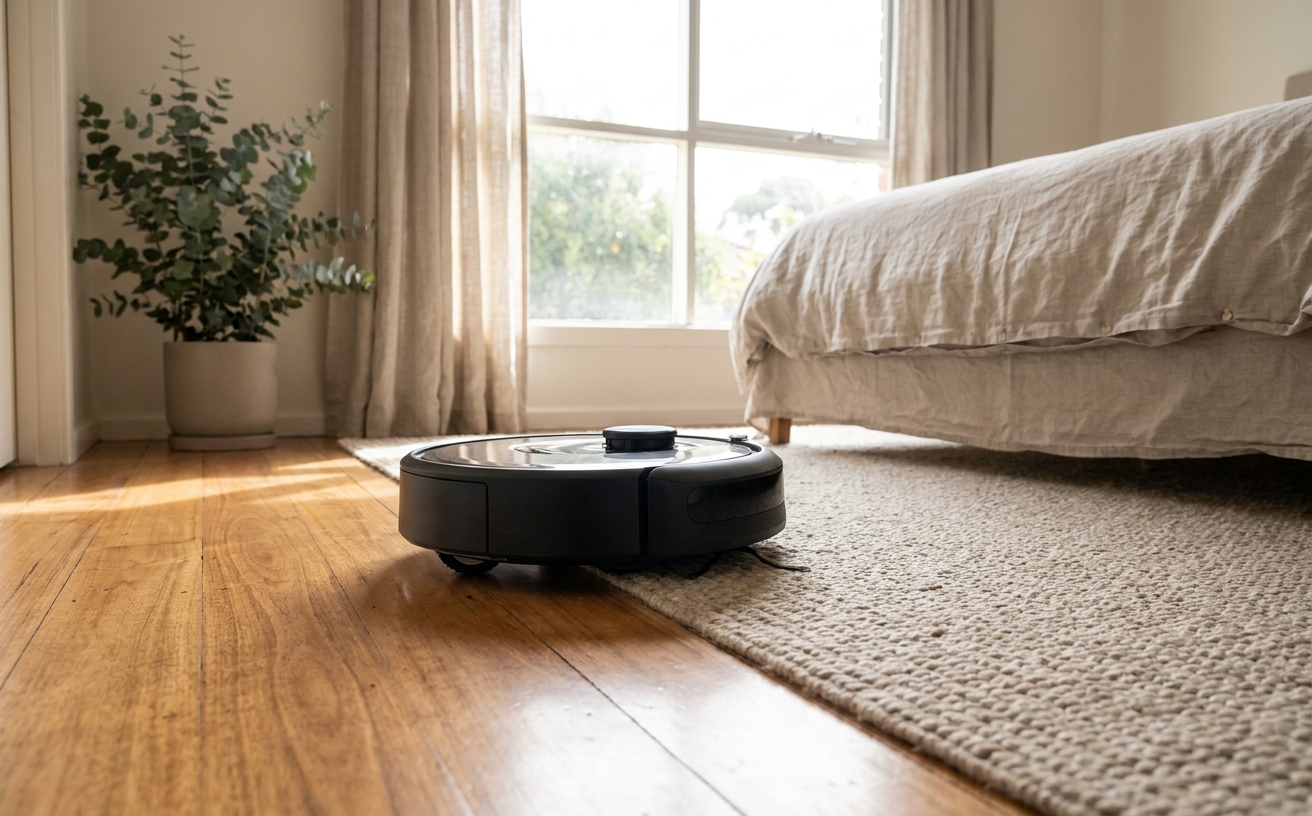
A robot vacuum automatically adjusting as it moves from hard floor to carpet
Roborock S8 MaxV Ultra
The Roborock S8 MaxV Ultra delivers 10,000 Pa suction with dual rubber roller brushes that agitate carpet fibres and reduce tangling. Reactive AI 2.0 obstacle avoidance combines 3D structured light and an RGB camera to navigate around objects in real time, and the FlexiArm side brush extends to clean edges the main body cannot reach. The base station handles dust emptying, mop washing, and refilling.
On carpet, the S8 MaxV Ultra lifts its mop pads 20 mm and increases suction automatically. At 10,000 Pa, it handles low to medium-pile carpet but falls short of the suction the Narwal Flow or Freo Z10 Ultra offer for thicker surfaces.
Dreame X60 Max Ultra Complete
Dreame’s flagship offers 35,000 Pa suction, among the highest of any robot vacuum currently available. In independent testing by Vacuum Wars, it achieved an 89% carpet deep-clean score against a 78% category average. The HyperStream DuoBrush 2.0 uses a retractable pressure plate that narrows the gap between the robot and the floor, concentrating airflow directly at the carpet surface.
The mop lifts 21.5 mm on carpet and can be removed entirely for vacuum-only runs. The robot’s slim 79.5 mm body reaches under most sofas and bed frames. The trade-off is below-average coverage per charge due to the compact battery.
iRobot Roomba s9+
The iRobot Roomba s9+ uses a D-shaped design that gets closer to walls and corners than round robots. Dual rubber extractors pull pet hair and fine debris from carpet without tangling, and Power Boost mode increases suction on carpeted surfaces. It does not mop, which eliminates any risk of wet pads on carpet but limits its usefulness on hard floors.
The s9+ handles thick carpet well and suits homes that are fully or mostly carpeted. Its obstacle avoidance relies on sensors without a front-facing camera, making it less precise than camera-based systems from Narwal, Roborock, or Dreame.
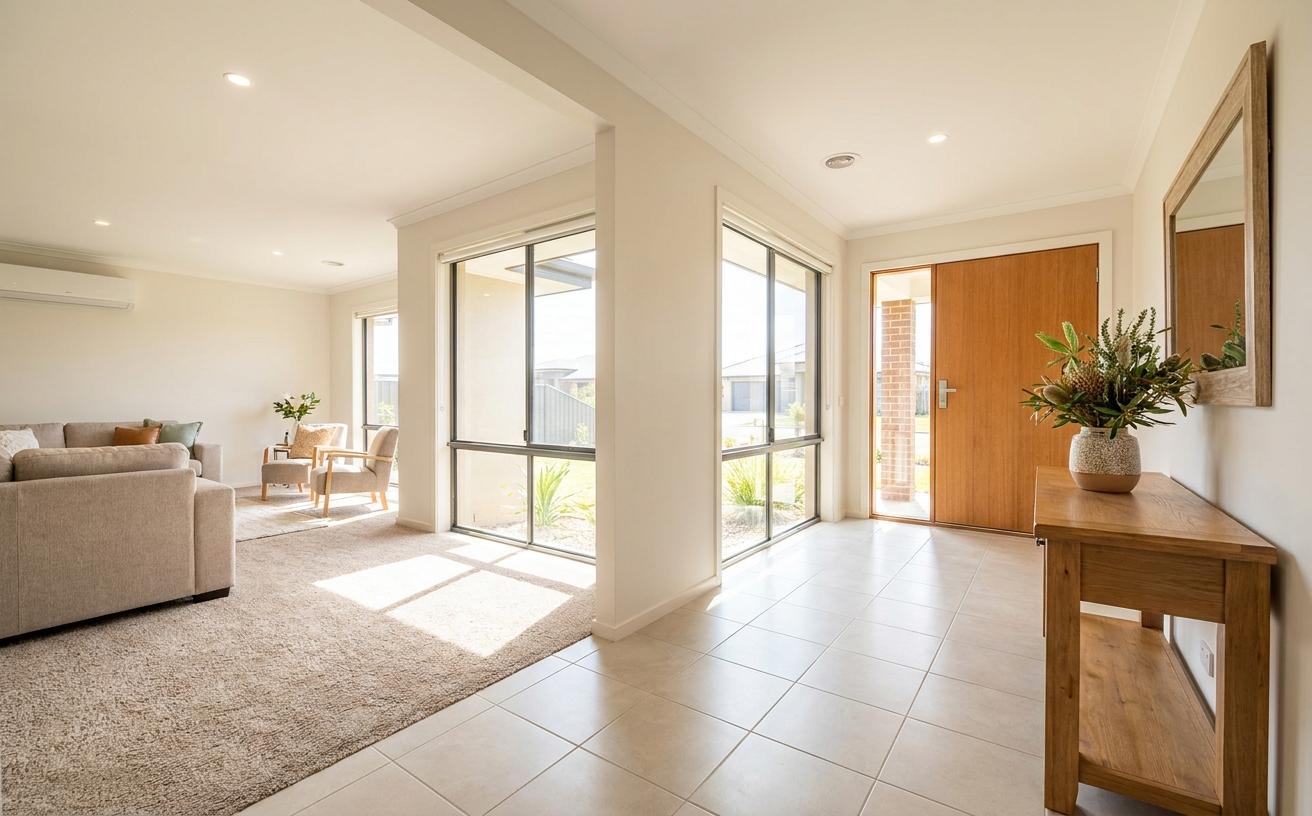
Many Australian homes combine tiled entries with carpeted living areas
Carpet Performance Comparison
| Model | Suction | Mop Lift | Tangle-Free | Carpet Detection | Noise |
|---|---|---|---|---|---|
| Narwal Flow | 22,000 Pa | 12 mm | SGS 0% | CarpetFocus sealed airflow | ≤60 dB |
| Narwal Freo Z10 Ultra | 18,000 Pa | 12 mm | SGS 0% | Auto boost + matrix clean | ≤56 dB |
| Narwal Freo X10 Pro | 11,000 Pa | 12 mm | SGS 0% | Ultrasonic 4-mode | ≤59 dB |
| Roborock S8 MaxV Ultra | 10,000 Pa | 20 mm | Dual rubber rollers | Auto boost | N/A |
| Dreame X60 Max Ultra | 35,000 Pa | 21.5 mm | DuoBrush 2.0 | Auto boost + pressure plate | N/A |
| iRobot Roomba s9+ | High (unrated) | N/A (no mop) | Dual rubber extractors | Power Boost | N/A |
Narwal Flow leads on sealed airflow technology, Dreame X60 Max Ultra leads on raw suction. Roborock and Dreame offer higher mop lift distances, while Narwal’s 12 mm lift paired with CarpetFocus keeps carpet dry and clean in a single pass. The Roomba s9+ is the only vacuum-only model, which simplifies carpet cleaning but limits hard floor coverage.
Do Robot Vacuums Damage Carpet?
Modern robot vacuums are unlikely to damage carpet. Rubber roller brushes, standard on most mid-range and premium models, clean carpet fibres without pulling or fraying them. Bristle brushes can catch on loose carpet loops, but most 2026 models have moved away from bristle-only designs.
The main risk is wet mop pads dragging across carpet. Models with 12 mm or greater mop lift avoid this entirely. Robots without adequate mop lifting should have their pads removed before carpet runs or be restricted to hard-floor zones through the app.
FAQs
Can a robot vacuum replace a regular vacuum on carpet?
On low and medium-pile carpet with daily or every-other-day runs, a robot vacuum above 10,000 Pa handles the majority of routine cleaning. Thick carpet and deep-pile rugs still benefit from a manual or upright cleaner every one to two weeks for deeper extraction.
How often should I run a robot vacuum on carpet?
Every one to two days prevents dust and hair from embedding deeply. Homes with pets or allergy concerns benefit from daily runs. Carpeted bedrooms collect skin cells and dust mites overnight, so a morning schedule helps.
What is the best robot vacuum for carpet only?
The iRobot Roomba s9+ is the strongest carpet-only option because it has no mop system to manage. For homes that also have hard floors, the Narwal Flow offers the best carpet performance while still handling tiles and timber through its mop lifting and CarpetFocus system.
How long do robot vacuums typically last?
Most robot vacuums last three to five years with regular maintenance, including brush replacement every six to twelve months and filter changes every three to six months. Battery capacity declines over time, but many brands offer replacement batteries that extend the robot’s usable life. If you are replacing an old unit, check how to dispose of an old vacuum cleaner responsibly.


