
Pet hair builds up fast on carpets, furniture and hard floors in Australian homes
Pet hair spreads through your home faster than you can clean it. It weaves into carpet fibres, sticks to upholstery, settles in corners, and floats through the air as fine dander. For the roughly 29 million pets living in Australian households, according to Animal Medicines Australia, shedding is a year-round reality. The challenge is not just visible fur on the couch. It is the microscopic dander and allergens that embed themselves deep in soft surfaces, affecting indoor air quality and triggering reactions for anyone sensitive to pet allergens.
Eliminating pet hair effectively requires the right vacuum features, consistent manual removal techniques, and ongoing maintenance habits. A high-suction vacuum with tangle-free brushes and strong filtration does the heaviest lifting, but simple tools like rubber gloves and baking soda play an important supporting role.
Why Pet Hair Is So Hard to Remove
Pet hair is finer and more electrostatically charged than human hair. That static charge makes it cling to carpet fibres, woven upholstery, and even smooth surfaces like timber floors and tiles. A standard broom or basic vacuum often pushes the fur around rather than picking it up.
Shedding patterns also make the problem worse at certain times of the year. Most dogs and cats shed more heavily during spring and autumn in Australia as their coats adjust to seasonal temperature changes. During these periods, daily fur accumulation can double or triple, quickly overwhelming a once-a-week cleaning routine.
The real health concern goes beyond visible fur. Pet dander, which consists of tiny flakes of skin, becomes airborne and can remain suspended for hours. Asthma Australia notes that pet dander is one of the most common indoor allergen triggers, alongside dust mites and pollen. A cleaning approach that only removes surface-level hair leaves dander and fine particles behind.
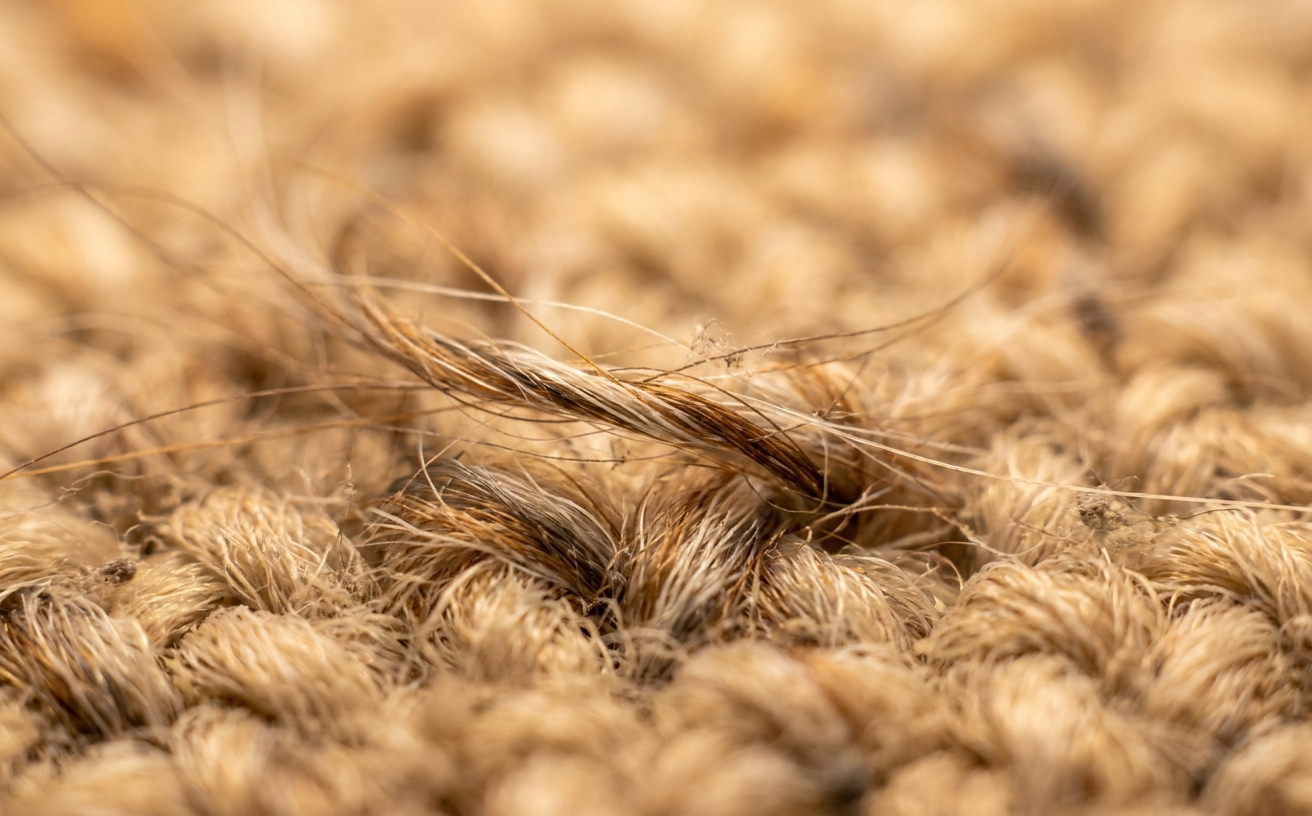
Pet hair weaves deep into carpet fibres where standard vacuums often miss it
Vacuum Features That Matter Most for Pet Hair
Not every vacuum labelled for pets actually performs well against pet hair. CHOICE Australia’s testing has found that some vacuums marketed with "Animal" or "Pet" branding scored as low as 20% in pet hair removal, while certain general-purpose models performed significantly better. The label matters far less than the engineering behind the machine.
Suction power is the starting point. For light shedders, look for at least 2,000 Pa. For heavy shedders or homes with multiple pets, 3,000 Pa and above makes a measurable difference, particularly on carpet where fur embeds into the pile.
Anti-tangle brush design is just as important as suction, because a clogged brush roll loses most of its cleaning effectiveness within minutes. Rubber extractors and conical roller brushes tend to resist tangling better than traditional bristle rolls. Some newer robot vacuums, such as the Narwal Flow robot vacuum and mop, use a DualFlow Tangle-Free System where the roller brush connects on one side only, directing hair straight into the dustbin rather than wrapping around the brush. That kind of design means less time cleaning the vacuum itself.
HEPA filtration rounds out the three core requirements. A true HEPA filter captures 99.97% of airborne particles down to 0.3 microns, which includes pet dander, dust mite waste, and pollen. Without effective filtration, vacuuming can actually worsen indoor air quality by stirring up fine particles and blowing them back into the room. For allergy-prone households, this is not optional.
How to Remove Pet Hair From Carpet
A single-direction vacuum pass skims the top layer of carpet but misses hair that has worked deeper into the pile. Multi-step cleaning gets better results.
Start by sprinkling baking soda lightly across the carpet. Let it sit for 10 to 15 minutes. The baking soda loosens hair from the fibres and helps neutralise pet odours at the same time. Then vacuum slowly in at least two directions. Moving forward and backward first, then east to west, dislodges hair caught at different angles within the pile. Professional carpet cleaners in Australia consistently recommend this multi-directional technique for pet households.
For stubborn patches, use a rubber broom or a damp rubber glove before vacuuming. Dragging rubber across the carpet creates a static charge that pulls embedded fur up to the surface where the vacuum can reach it. A window squeegee works well for smaller areas like stairs and rugs.
Robot vacuums can significantly reduce daily buildup between deeper cleaning sessions. Models with carpet detection that automatically boost suction when they move from hard floors onto carpet are particularly useful. The Narwal Freo X10 Pro robot vacuum and mop, for example, uses ultrasonic floor sensors to detect carpet and lifts its mop pad 12mm to avoid wetting the carpet while boosting suction for deeper fibre cleaning. Running an automated daily pass keeps pet hair from accumulating to the point where manual cleaning becomes a larger job.
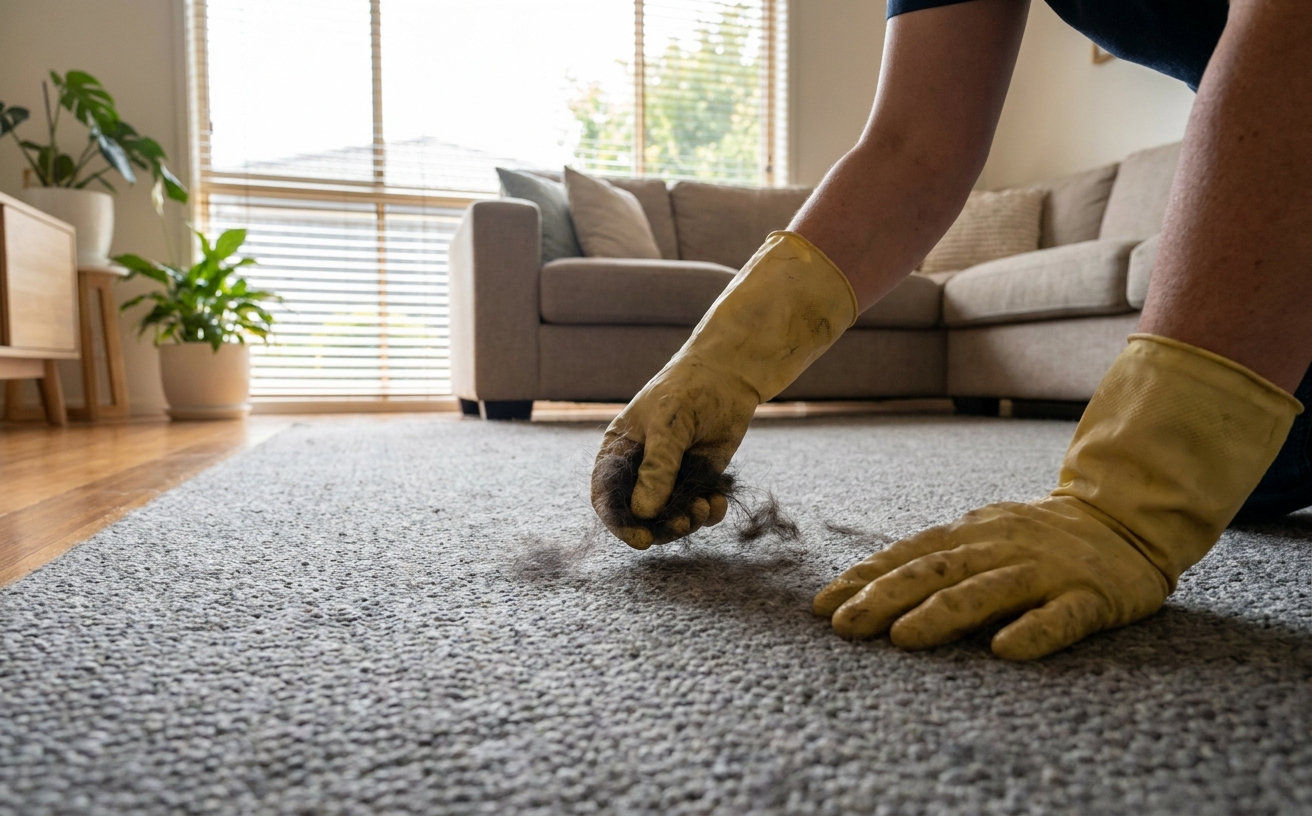
Damp rubber gloves create static that lifts embedded pet hair before vacuuming
Removing Pet Hair From Furniture and Upholstery
Fabric sofas, cushions, and pet beds tend to accumulate fur quickly because pets gravitate to soft, warm surfaces. The most effective starting tool is a lint roller or a damp rubber glove, which lifts surface-level hair without pushing it deeper into the weave. For more thorough cleaning, use a vacuum with a motorised upholstery attachment. The motorised brush head agitates fabric fibres and pulls out hair that static alone cannot reach.
A fabric softener solution also helps loosen stubborn pet hair from upholstery. Mix one part liquid fabric softener with three parts water in a spray bottle, lightly mist the surface, and let it dry before vacuuming. The softener reduces the electrostatic bond between the fur and the fabric, making hair easier to extract.
Leather furniture requires a different approach. Use a soft, dry microfibre cloth to wipe down surfaces first, then follow with a leather-safe vacuum attachment. Avoid harsh bristle tools that could scratch the surface. Applying a leather conditioner after cleaning creates a smoother surface that resists future hair adhesion.
Washable furniture covers are a worthwhile preventive measure for homes with heavy shedders. Removing and washing covers weekly and catches the bulk of the fur before it can embed into the underlying upholstery.
How to Clean Pet Hair From Hard Floors
On timber, tile, and vinyl, pet hair does not embed the way it does in carpet. Instead, it drifts with air currents into corners, under furniture, and along skirting boards. A standard broom scatters it further.
A vacuum on a hard floor setting, or an electrostatic rubber-bristle broom, is the better starting point. Follow up with a damp mop to pick up fine dander and any stray hairs the vacuum missed.
For daily maintenance, a robot vacuum with combined vacuum and mop functionality can handle both tasks in a single pass. The Narwal S30 Pro cordless wet and dry vacuum is designed for hard floor households, delivering 20,000 Pa suction power combined with continuous fresh water mopping. Its built-in scissors cut through tangled hair on the roller, and the dual-layer comb scrapes cleared strands off, which means the brush stays effective throughout the cleaning session. For a robotic option, the Narwal Flow uses a real-time self-cleaning track mop system with warm water at 113°F, so the mop stays clean throughout the entire run rather than spreading dirty water across your floors.
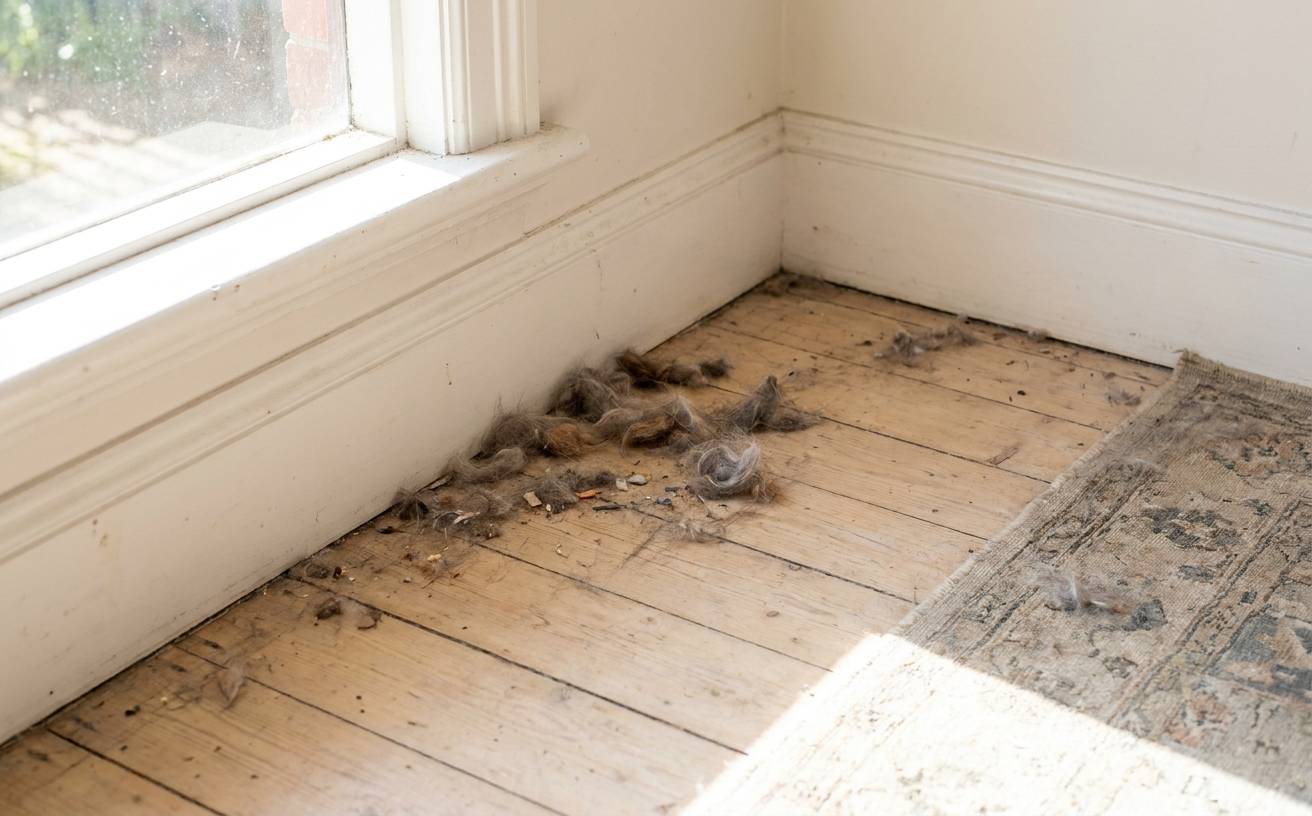
On hard floors pet hair drifts into corners and along skirting boards where standard brooms miss it
Does Regular Grooming Reduce Pet Hair in the Home?
Yes. Regular brushing is the single most effective way to reduce the volume of pet hair that reaches your floors and furniture in the first place. Brushing captures loose fur before it sheds naturally, and during heavy shedding seasons in spring and autumn, daily grooming can cut indoor hair accumulation by a significant margin.
Use a de-shedding tool or undercoat rake for double-coated breeds like Golden Retrievers, Huskies, and German Shepherds. For single-coated dogs and cats, a slicker brush works well. Groom outdoors whenever the weather allows, so the loose hair does not end up on your indoor surfaces.
Bathing your pet every four to six weeks also helps. A clean coat sheds less, and using a pet-specific conditioner can reduce the amount of loose fur between baths. If your pet resists grooming at home, professional grooming every six to eight weeks is a reliable alternative.
Beyond grooming, consider your home setup. Washable pet bed covers, designated pet blankets on furniture, and using area rugs rather than wall-to-wall carpet in high-traffic pet zones all make cleanup faster and more effective.
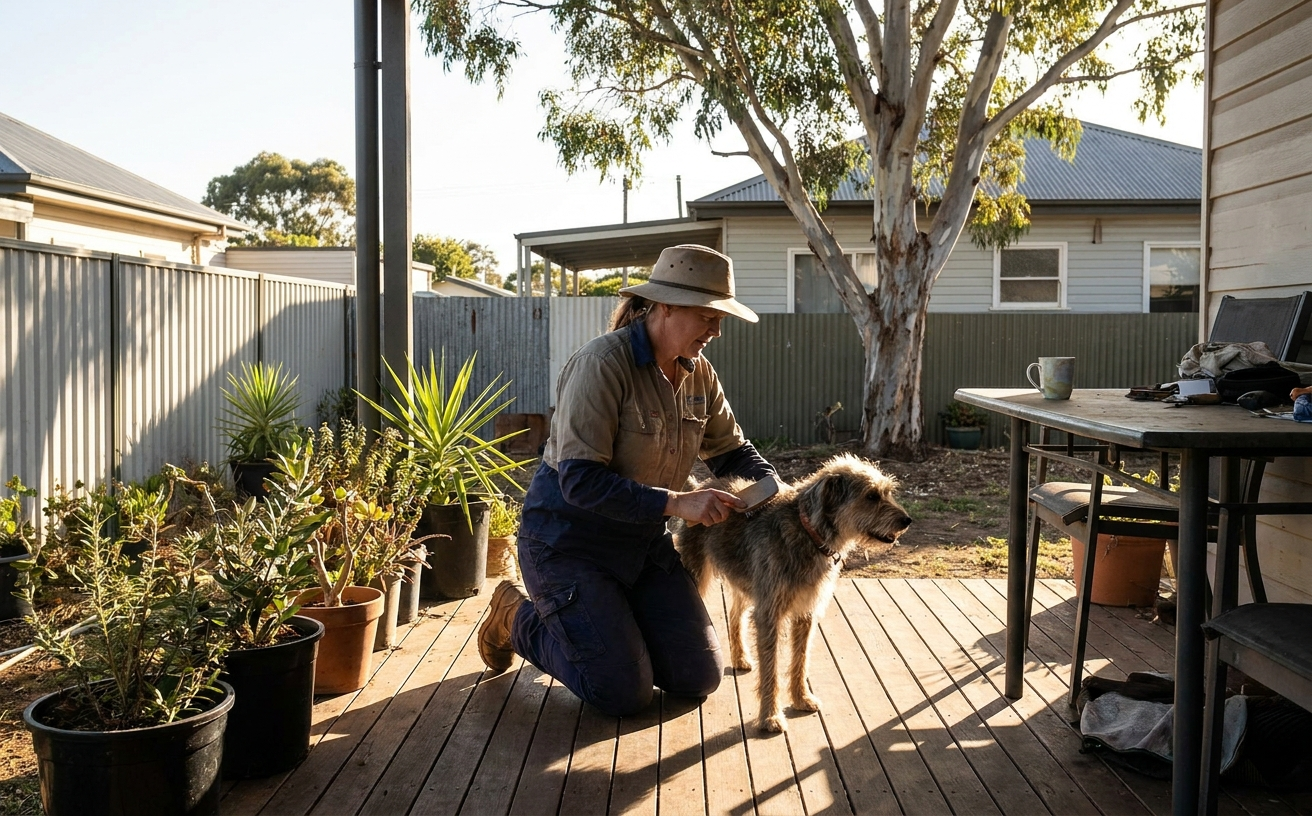
Grooming outdoors keeps loose fur out of your home before it reaches floors and furniture
Robot, Stick or Wet-Dry Vacuum for Pet Hair?
Each vacuum type has a different strength for pet households.
| Factor | Robot Vacuum | Stick Vacuum | Cordless Wet-Dry |
|---|---|---|---|
| Daily Maintenance | Fully automated | Manual, on demand | Manual, on demand |
| Best Surface | All floors, automated | Carpet and upholstery | Hard floors, wet spills |
| Pet Hair Pickup | Good to excellent | Excellent on carpet | Excellent on hard floors |
| Tangle Risk | Low (tangle-free models) | Moderate to high | Low (built-in cutters) |
| Wet Mess Handling | Mop models only | No | Yes |
| Ideal For | Daily fur control | Deep cleans, furniture | Hard floors, kitchens |
Robot vacuums work best as a daily maintenance tool that keeps fur from building up between deeper manual sessions. Models with combined vacuum and mop functions handle both hard floors and sealed surfaces in a single automated pass.
Stick vacuums remain the strongest option for deep carpet cleaning, upholstery, and hard-to-reach spots. Their motorised brush heads and handheld attachments make them more versatile for furniture, stairs, and car interiors.
Cordless wet-dry vacuums are increasingly popular in Australian homes with pets because they handle fresh spills, muddy paw prints, and scattered kibble alongside regular pet hair. The Narwal S30 Pro, for instance, pairs its hair-cutting roller with continuous fresh water rinsing, making it effective for the mix of wet and dry messes that pet households deal with daily.
Keeping Your Pet Hair Vacuum in Top Shape
Pet hair fills dustbins and bags faster than regular household debris, and fine dander clogs filters more quickly than dust alone. Without regular maintenance, suction drops and cleaning performance declines within weeks.
Empty the dustbin or change the bag when it reaches about one-third full, not when it looks completely packed. Suction drops noticeably past that point. For bagless models, rinse washable filters according to the manufacturer’s schedule. Most HEPA filters need cleaning or replacement every three to six months in a pet household, compared to every 12 months in a pet-free home.
Check the brush roll weekly. Even tangle-resistant designs can accumulate wrapped hair over time. Use scissors to cut along the bristle line and pull hair free. Robot vacuums with self-emptying base stations reduce this manual effort significantly. Models like the Narwal Freo X10 Pro include a 120-day self-empty dock, which means you handle dust disposal a few times per year rather than after every session.
If your vacuum starts to smell, sprinkle a small amount of baking soda into the dustbin before your next session. For bagged models, a drop or two of eucalyptus oil on a cotton ball placed inside the bag helps neutralise pet odours between changes.
FAQs
How often should I vacuum if I have pets?
For homes with one pet, two to three times per week is a solid baseline. With multiple pets or heavy shedders, daily vacuuming of high-traffic areas makes a noticeable difference.
Can robot vacuums handle thick pet hair on carpet?
Higher-end robot vacuums with strong suction and carpet detection features handle pet hair on low to medium pile carpet effectively. Very thick, high-pile carpet still benefits from a periodic manual clean with a stick or upright vacuum, but a good robot vacuum significantly reduces daily buildup.
How do you get pet hair out of carpet without a vacuum?
Sprinkle baking soda over the carpet, wait 10 to 15 minutes, then use a rubber broom or damp rubber glove to pull the loosened hair to the surface. A window squeegee dragged across the carpet in short strokes also works well on rugs and stairs.
Why is my vacuum not picking up pet hair?
The most common causes are a full dustbin, a clogged filter, or hair wrapped around the brush roll. Empty the bin, clean or replace the filter, and cut any tangled hair off the roller with scissors. If suction is still weak, check for blockages in the hose or inlet.
Does vinegar dissolve pet hair?
No. Vinegar does not break down or dissolve pet hair. Adding white vinegar to a rinse cycle can help loosen fur from fabric by reducing static cling, but it will not remove hair from carpets or hard floors. Baking soda and rubber-based tools are more effective for those surfaces.

