


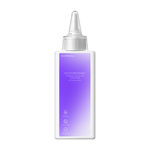


Looking for a safe, effective robot vacuum cleaning solution you can make at home? DIY solutions made from everyday ingredients like baking soda, soap, and vinegar are cost-friendly, non-toxic, and well suited to households with kids or pets.
Quick Summary
-
Different floor types need different DIY cleaning solutions, especially delicate surfaces like parquet and stone.
-
Use only low-foam, diluted ingredients to help avoid residue and reduce the risk of damaging your robot vacuum.
-
Test any DIY solution on a small area first, particularly on sensitive or polished floors.
-
Avoid putting acidic solutions like vinegar into a robot vacuum’s water tank unless the product manual clearly allows it.
-
In hard water areas, distilled water can help reduce residue build-up inside the robot vacuum.
-
For Narwal robot vacuums, the official cleaning solution is recommended when using the water tank.
In this guide, you’ll find easy recipes for different floor types—from delicate parquet to marble and outdoor concrete—followed by essential tips for using these solutions safely with your robot vacuum. We’ll also explain why more users are choosing natural DIY alternatives for a cleaner, healthier home.
With the right ingredients and usage know-how, you can support your robot vacuum’s cleaning performance without relying on harsh chemicals. Clean smarter with simple solutions that help protect your home, your robot, and the environment.
DIY Robot Vacuum Cleaning Solution Recipes for Every Floor Type
The right DIY robot vacuum cleaning solution depends on the type of flooring you need to clean.
This guide covers recipes for:
-
Parquet flooring
-
Marble and stone floors
-
Ceramic and concrete floors
Parquet Flooring

Parquet is one of the most delicate types of flooring, so it requires extra care during cleaning.
Here’s a simple way to make a DIY cleaning solution for parquet floors:
- Fill a bucket with 2–3 litres of warm water.
- Add 2–2.5 tablespoons of baking soda and a small piece of soap.
- Mix well until the soap and baking soda are fully dissolved.
- Use a damp microfiber cloth to spread the cleaning solution across the floor.
- Let the robot vacuum mop the floor.
- Allow the floor to dry completely after cleaning.
Warning: If the floor has pet urine stains, dry them thoroughly first using newspapers or an old cloth before cleaning.
Tips for parquet floors:
-
Carefully read the instruction manual for your robot vacuum. If the manual allows it, you can pour the DIY cleaning solution into its water tank.
-
If you want to add more shine to parquet, you can add 1 tablespoon of white linseed oil to the recipe. This vegetable oil can help nourish the wood and add shine.
-
You can also use the DIY cleaning solution alongside the Narwal Freo X Ultra - Robot Vacuum & Mop.
[narwal-freo-x-ultra-robot-vacuum-mop]
You can also add a small amount of Narwal cleaning solution to the robot vacuum’s water tank for better cleaning results. One advantage of this cleaning solution is its fast drying time, helping floors dry sooner after mopping.
Marble or Stone Floors

Marble and stone floors are known for their strength and durability, but they still need the right cleaning approach.
Here’s how to prepare a DIY cleaning solution for marble or stone floors:
- Fill a bucket with 2000–3000 ml of water.
- Add 1 drop of liquid dish soap and let it dissolve fully.
- Add about 10 tablespoons of denatured alcohol and 3 tablespoons of baking soda.
- Mix well.
- Use the solution to wash the floor.
Warning: Do not use too much dish soap, as it can create excess foam that is difficult to rinse away.
Recommendation: Use a well-wrung microfiber cloth to avoid leaving too much water or foam on the floor during cleaning.
Ceramic or Concrete Floors

Ceramic and concrete floors are common in outdoor spaces, where exposure to rain, wind, and dirt can lead to heavier build-up.
Warning: This mixture may not be suitable for polished floors. Do not put this solution in the robot vacuum’s tank, as acidic substances can damage the inside of the robot.
Here’s a natural DIY cleaning solution for ceramic or concrete floors:
- Fill a bucket with 2.5–3 litres of water.
- Add 1 drop of dish soap.
- Add 4 tablespoons of vinegar and 4 tablespoons of denatured alcohol.
- Mix everything well.
- Spread the solution on the floor and let the robot vacuum clean the area.
This recipe is best used for cleaning outdoor floors and helping restore a cleaner appearance.
Tips for Safely Using DIY Cleaning Solutions in Robot Vacuums

Using DIY cleaning solutions can be effective, but safe preparation and use matter just as much as the recipe itself.
Gather the right ingredients first
Make sure you have all ingredients ready before mixing your solution. Depending on the recipe, these may include baking soda, dish soap, distilled water, vinegar, or denatured alcohol.
Use clean containers and tools
Only use clean buckets, bottles, and mixing tools. Residue from other cleaning products can affect the safety or performance of your DIY solution.
Mix ingredients thoroughly
Stir well so the ingredients combine evenly. A fully mixed solution is easier to apply and less likely to leave uneven residue behind.
Store solutions properly
Store any leftover DIY cleaning solution in a sealed, non-transparent container. Label it clearly with the type of solution and the date it was made.
Test on a small area first
Before applying any solution to a large area, test it on a small section of flooring. This is especially important for delicate, polished, or specially finished surfaces.
Consider using distilled water
In regions with hard water, including some parts of Australia, distilled water may help reduce residue build-up inside the robot vacuum.
Why Use a DIY Cleaning Solution for Your Robot Vacuum?

Homemade cleaning solutions can offer several benefits for robot vacuum users.
Cost savings
DIY solutions are often more affordable than commercial floor cleaners. Common household ingredients such as baking soda and soap can be used in simple recipes without the added cost of specialised products.
Safer ingredients for families
When made with mild, non-toxic ingredients, DIY cleaning solutions can be a practical option for homes with children or pets. They can also help reduce exposure to harsher chemicals.
Custom cleaning for different floor types
DIY solutions can be adjusted based on the flooring in your home. That makes it easier to choose a gentler option for parquet or a stronger mix for outdoor concrete.
Lower environmental impact
Homemade solutions can reduce the need for single-use plastic bottles and may support a more eco-conscious cleaning routine when made with biodegradable ingredients.
Effective everyday cleaning
Simple ingredients such as baking soda and diluted soap can help lift dirt and freshen floors when used correctly. They are a practical option for routine maintenance on suitable surfaces.

Keep Your Floors Spotless with Safe and Custom Robot Vacuum Solutions
DIY robot vacuum cleaning solutions can offer more than cost savings. They can help households choose gentler ingredients, reduce unnecessary chemical use, and tailor cleaning routines to different floor types.
Whether you’re cleaning parquet, stone, tile, or concrete, the right recipe and the right method both matter. Always match the solution to the surface, use low-foam ingredients, and follow product-specific guidance before adding anything to the water tank.
If you want a more convenient option for compatible Narwal models, the official Narwal cleaning solution is recommended for use in the water tank. Paired with a high-performance model like the Narwal Freo X Ultra robot vacuum and mop, it can help support effective day-to-day floor cleaning.
FAQs
Can I use a DIY cleaning solution with any robot vacuum?
Not always. Some models may allow only water, while others may allow specific cleaning solutions. It’s also a good idea to test the solution on a small area first.
What ingredients should I avoid in DIY solutions?
Avoid bleach, ammonia, mineral oils, and abrasive materials such as coarse salt or sand. These can damage floors or internal robot vacuum components.
What detergent can I use in a robot vacuum?
Use a low-foam solution designed for hard floors if your robot vacuum manual allows it. For Narwal vacuums, the official cleaning solution is recommended for best results.
Can I use vinegar in Narwal robot vacuums?
Do not add vinegar to the water tank. Acidic ingredients may damage internal parts. If needed, vinegar-based solutions should only be applied manually on suitable surfaces, followed by clean water if appropriate.
Which DIY cleaning solution is best for my floor type?
It depends on the surface. Parquet floors need a gentler solution, while ceramic or concrete floors may handle stronger mixes. Always choose a recipe that matches your flooring material and test it on a small area first.


