
A beater bar, often called a brush roll, is the spinning brush underneath many vacuums. It can be a game changer on carpet, especially if you are dealing with tracked-in grit or pet hair that seems to stick no matter how often you vacuum.
At the same time, it can be the wrong tool on timber, tile, vinyl, or delicate rugs, where a rotating brush is not always needed and can cause extra noise or scuffing if grit is trapped. This guide breaks down when a beater bar helps, when to turn it off or avoid it, and what to choose if your home has a mix of surfaces.
Quick Summary
- A beater bar is a rotating brush designed to lift dirt from carpet by agitating the pile
- It suits carpet-heavy homes and busy areas, but is not always ideal on hard floors or delicate rugs
- On timber and tile, suction and a soft floor head often do the job without the risk of brush contact
- For mixed flooring, look for a vacuum that lets you switch the brush on and off or adjusts automatically
- Keeping the brush clean and free of hair helps maintain pickup and prevents extra noise
What Is a Beater Bar?
A beater bar (also called a brush roll or rotating brush) is an important feature of many vacuums, particularly upright models. Located at the bottom of the vacuum head, the beater bar spins rapidly to agitate carpet fibers, dislodging dirt, dust, and debris for better cleaning results. This is especially helpful when cleaning carpets with deeper fibers, where dirt can become trapped.
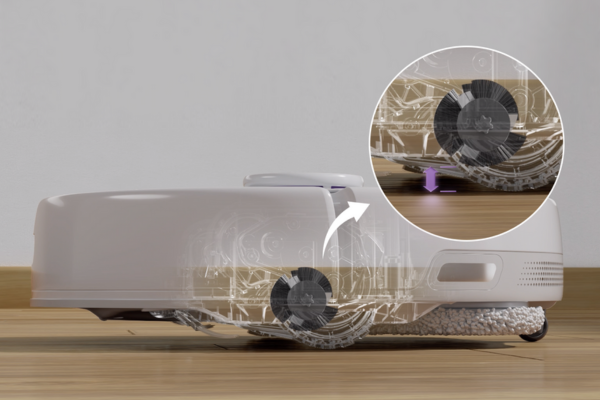
How the Beater Bar Works
The beater bar works by rotating at high speed, agitating the carpet fibers and loosening dirt that’s embedded deep within. This action is essential for a thorough clean, especially for high-pile or plush carpets. The bristles on the bar help to lift dirt, dust, and pet hair from the fibers, which then get picked up by the vacuum’s suction.
Materials of the Beater Bar
Modern beater bars usually feature bristles made from nylon or other soft materials, which are gentle enough to avoid damaging the carpet but effective enough to dislodge dirt. In older models, metal agitators were used, but these have mostly been replaced with softer bristles for a safer and more effective clean.
Key Benefit of the Beater Bar
The primary benefit of the beater bar is its ability to work together with the vacuum's suction system to remove dirt deeply embedded in carpets. It helps lift dirt and debris that suction alone cannot reach, providing a much deeper clean compared to using suction power alone. Some vacuums also allow you to turn the beater bar off, which is useful when cleaning delicate surfaces like hardwood floors to avoid scratching or pushing debris around.
Beater Bar vs No Beater Bar: Which Type Suits Your Floors?
Choosing between a vacuum with a beater bar or one without depends on the types of floors in your home and your specific cleaning needs.
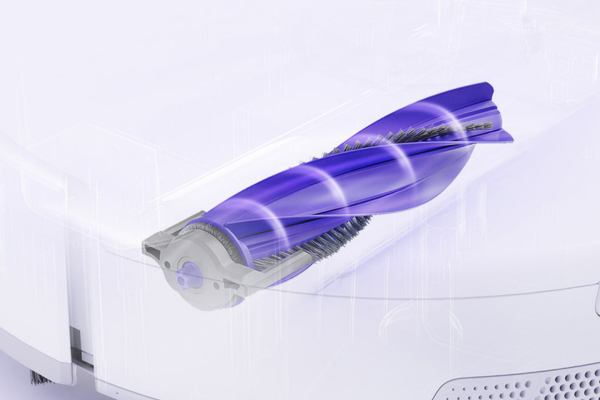
Vacuums with Beater Bars
Beater bars are ideal for homes with carpets—especially thick, plush, or high-traffic ones. The rotating brush agitates carpet fibers and lifts embedded dirt, providing a much deeper clean. If you have pets, a vacuum with a beater bar can help remove hair trapped deep in the carpet. However, these brushes can be too harsh for hard surfaces and may scratch hardwood or push debris around rather than pick it up.
Vacuums without Beater Bars
Vacuums without a beater bar rely solely on suction, which makes them gentler on hard floors and delicate rugs. They’re perfect for smooth surfaces like tile, laminate, and wood. Without the rotating brush, there’s less risk of scratching or scattering dust.
In Australia, where timber, vinyl, and hybrid floors are common in many homes, vacuums without beater bars are often the safer and more efficient choice. They're quieter, easier to maintain, and ideal for homes that don’t have wall-to-wall carpeting.
Which One Should You Choose?
If your home has mostly carpet, a beater bar vacuum will give you better results. But if you live in a home with mostly hard flooring—as is common in many Australian households—a vacuum without a beater bar may suit you better. Many modern vacuums, like those from Narwal, let you switch the beater bar on or off, giving you the flexibility to clean both surfaces effectively.
Beater Bar Attachments for Specific Needs
When it comes to deep cleaning, the right beater bar attachment can make all the difference. Whether you're dealing with pet hair, large commercial spaces, or delicate rugs, the right attachment tailored to your needs can significantly boost your vacuum’s performance. Here’s a closer look at the best attachments for various tasks.
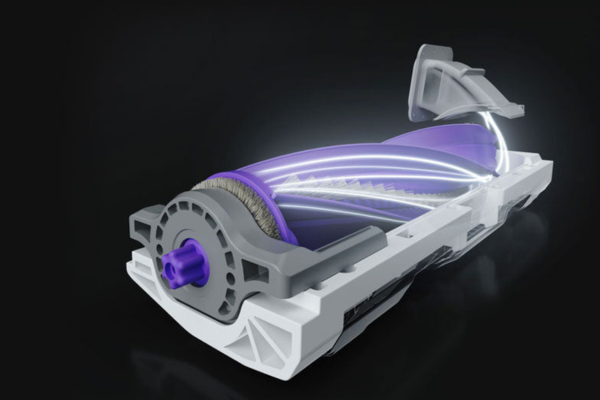
Pet Hair Attachments
If you have pets, their hair can be tough to clean. Pet hair attachments are designed specifically for this challenge. These attachments have extra-tough bristles or specialized brushes that grab pet hair effectively from carpets and upholstery. With these, you’ll have fewer tangles and a cleaner home, especially in places where pet hair tends to collect.
Commercial Use Attachments
For commercial cleaning needs, such as large offices or busy restaurants, beater bar attachments designed for high-traffic areas are key. These commercial-grade attachments often come with wider, more durable brushes that can lift dirt quickly and cover large areas efficiently. If you’re cleaning a lot of space regularly, these attachments will save time and improve cleaning results.
Delicate Rug Attachments
For those who have wool, silk, or fine rugs, using a standard beater bar can be damaging. Instead, choose delicate rug attachments that come with softer bristles. These attachments gently agitate dirt and debris without harming the delicate fibers, preserving your rugs' texture and appearance.
In conclusion, whether you're cleaning pet hair, commercial spaces, or delicate rugs, there’s a beater bar attachment designed to make your vacuum more versatile. Choosing the right attachment ensures you get the best results, without worrying about damaging surfaces or missing hidden dirt.
Best Vacuums with and without Beater Bar
Choosing the right vacuum depends on the type of floors you have and your cleaning needs. Narwal offers innovative vacuums that combine powerful suction, smart navigation, and cutting-edge features. Whether you're looking for a vacuum with a beater bar (roller brush) for deep carpet cleaning or one without for gentler, low-maintenance cleaning, Narwal has a solution for every home. Let’s take a look at the best options.
Best Vacuums with Beater Bars
Vacuum cleaners with beater bars are the best choice for homes with carpets, especially thick or high-traffic areas. The roller brush agitates the carpet fibers, lifting dirt and debris for more thorough cleaning.
Narwal offers several models with roller brushes (beater bars), combining powerful cleaning with smart technology. Here are some of the best Narwal models with roller brushes:
- Narwal Freo Z10 Robot Vacuum and Mop: A 2-in-1 vacuum and mop, the Freo Z10 combines a powerful roller brush and smart navigation, making it perfect for both carpets and hard floors. It also features automatic self-cleaning, so you don’t need to worry about maintenance.
[cta:narwal-freo-z10-ultra-intelligent-in-mind-deep-in-clean]
- Narwal S20 Pro Vacuum Mop: With 20,000Pa suction power and a roller brush, the S20 Pro is designed to clean deeply, making it ideal for homes with pets and kids. It also adjusts suction power based on dirt levels, and its self-cleaning and drying features make it super low-maintenance.
[cta:narwal-s20-pro-vacuum-mop]
- Narwal Freo Pro Robot Vacuum & Mop: Equipped with a roller brush and advanced AI, the Freo Pro delivers deep cleaning for carpets and hard floors. It combines vacuuming and mopping, ensuring efficient, all-in-one cleaning.
These vacuums with roller brushes offer deep carpet cleaning while also effectively handling hard floors, making them a versatile solution for a variety of surfaces.
Best Vacuums without Beater Bars
If your home is primarily made up of hard floors or delicate rugs, vacuums without beater bars are a better option. These vacuums use suction to clean, which is gentler on surfaces like hardwood and tile. They’re quieter and require less maintenance than vacuums with beater bars, making them great for homes with smooth, delicate surfaces.
Some of the top vacuums without beater bars include:
- Miele Complete C3 Hard Floor: This vacuum is specifically designed for hard floors, providing excellent suction without a rotating brush. It’s perfect for delicate surfaces like hardwood and tile.
- iRobot Roomba 675: A popular robot vacuum, the Roomba 675 is great for hard floors and can also clean delicate rugs. It’s easy to maintain and provides strong suction.
These vacuums work well for hardwood floors and tile, offering a quieter, gentler clean that’s perfect for delicate surfaces.
Why Narwal Stands Out
While vacuums without beater bars can be great for hard floors, Narwal takes cleaning to the next level by combining roller brush technology with smart features. Here’s why Narwal is the ideal choice:
- Tangle-Free Technology: Narwal vacuums feature the DualFlow Tangle-Free System, which prevents hair from tangling, making them perfect for homes with pets.
- Smart Navigation: Narwal vacuums use advanced AI to navigate your home, adjusting suction and cleaning mode based on the surface they are cleaning. This ensures your floors are always cleaned efficiently.
- Self-Cleaning and Drying: With automatic self-cleaning and drying features, Narwal vacuums take the hassle out of maintenance, keeping your vacuum clean and ready for the next job.
- All-in-One Cleaning: Narwal vacuums like the Freo Z10 combine vacuuming and mopping in one device, providing a more complete clean for carpets and hard floors alike.
Narwal’s vacuums offer the best of both worlds—intelligent cleaning with the deep power of roller brushes for carpets, while also being gentle and efficient on hard floors. If you're looking for a vacuum that can handle all your cleaning needs with minimal effort, Narwal is the right choice.
How to Use a Beater Bar Safely and Effectively
The beater bar (or roller brush) is essential for deep cleaning, especially on carpets. It works by agitating the carpet fibers to lift dirt and debris, making your vacuuming more effective. Here’s how you can use it correctly for the best results.
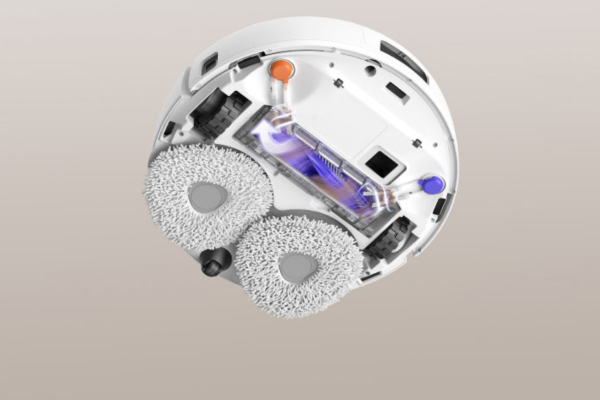
When to Use the Beater Bar
The beater bar is most effective when cleaning carpets, especially deep-pile ones, as it helps lift dirt trapped within the fibers. You should always use the beater bar for carpeted areas to agitate the fibers and ensure a deep clean.
For hard floors such as hardwood, tile, or laminate, the beater bar should be turned off. The rotating brush can cause damage or scratches to these surfaces, so it’s best to rely on the vacuum's suction power alone for cleaning.
How to Use the Beater Bar Effectively
- High-Pile Carpets: Set your vacuum to the highest suction setting to ensure the beater bar can deeply agitate the fibers. Move slowly over the carpet to allow the brush to lift dirt effectively.
- Low-Pile Carpets or Rugs: For thinner carpets or delicate rugs, adjust the brush height or switch off the beater bar entirely to prevent damage to the fibers. Some vacuums offer settings to control the height of the brush, which helps to protect more delicate surfaces.
For homes with Narwal vacuums, many models automatically detect the floor type and adjust the beater bar settings accordingly, making it easier to clean both carpets and hard floors without switching between settings manually.
How to Maintain Your Beater Bar
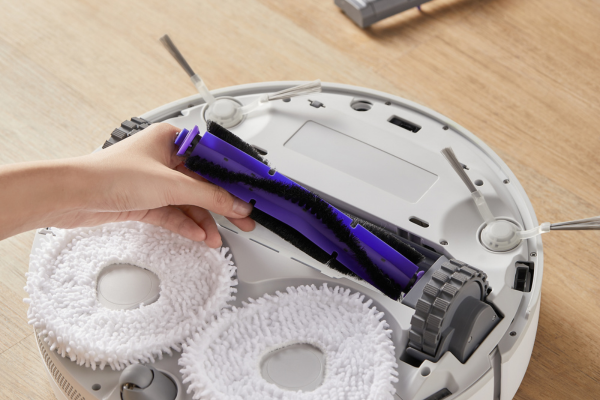
Your beater bar (roller brush) is a key part of your vacuum. It helps agitate dirt and debris from carpets, making your cleaning more effective. To keep it working well, you need to clean and replace it when needed. Here's how you can do it easily.
Cleaning the Brush Roll
Over time, hair, dirt, and other debris can get tangled in the beater bar. This can reduce the vacuum’s performance. Here’s how you can clean it:
- Turn off the vacuum and unplug it. Safety first! Make sure your vacuum is off before you start cleaning.
- Remove the brush roll. Most vacuums allow you to easily remove the beater bar by either unscrewing it or releasing a latch. Check your vacuum's manual for guidance on how to do this.
- Cut away tangles. Use scissors to carefully cut away hair or fibers that are wrapped around the brush. Don’t cut the bristles, just the tangled bits.
- Wipe it down. After removing the tangles, wipe the brush roll with a damp cloth to remove any dust or dirt. Make sure to dry the brush before putting it back.
- Check the bearings. If your beater bar has bearings, make sure they aren’t clogged. Clean them gently with a cloth to keep them running smoothly.
Replacing Worn-Out Beater Bars
Even with regular cleaning, your beater bar may wear out over time. When this happens, it’s time to replace it. Here’s how to tell when it’s needed and how to replace it:
- Check for wear. If the bristles are frayed or the brush doesn’t spin properly, it’s time to replace it.
- Find the right replacement. Look in your vacuum’s manual to find the right type and size of replacement brush roll.
- Remove the old brush. After turning off the vacuum, unscrew or unlatch the old beater bar and take it out.
- Install the new brush roll. Place the new beater bar in the vacuum, making sure it fits properly and spins freely.
- Test it out. Turn your vacuum on and check the new brush. It should spin smoothly and clean effectively.
Replacing a worn-out beater bar is simple. With a clean and well-maintained brush, your vacuum will perform better, helping you clean more efficiently.
Conclusion
In this article, we’ve covered the importance of the beater bar for deep cleaning, especially on carpets. It helps lift dirt trapped deep in the fibers for a thorough clean. We also explored when to use a beater bar (for carpets) and when to turn it off (for hard floors and delicate rugs).
Maintaining the beater bar by cleaning and replacing it when worn is essential for optimal performance. We also highlighted how Narwal vacuums simplify cleaning with features like tangle-free technology and smart navigation.
Ready for a smarter clean? Narwal offers the perfect solution for both carpets and hard floors—try one today and enjoy effortless cleaning!
Do all vacuums with a beater bar work well on hard floors?
Not always. A beater bar can be too aggressive for some hard surfaces and may scatter debris or increase the risk of scratching. That is why many vacuums either allow the brush roll to be switched off or offer separate floor settings.
Is a beater bar necessary if I only have rugs in a few rooms?
Not necessarily. If most of your home has hard flooring and only a few low-pile rugs, strong suction alone may be enough for your needs. A beater bar becomes more important when carpets or thicker rugs make up a larger share of your cleaning routine.
Why is a beater bar better for pet hair on carpet?
Pet hair can cling deep inside carpet fibers, where suction alone may not lift it effectively. A spinning brush helps loosen that hair so the vacuum can capture it more thoroughly.
Can a beater bar damage delicate rugs?
Yes, it can on some materials. Fine rugs, loose weaves, tassels, wool, or silk surfaces may be better cleaned with gentler attachments or suction-only settings to reduce the chance of pulling, tangling, or fiber damage.
Are vacuums without a beater bar easier to maintain?
Often yes. Without a rotating brush, there is usually less hair wrap and fewer brush-related tangles to clean out. That can make routine maintenance simpler, especially in homes with mostly hard floors.
What is the difference between a beater bar and a brush roll?
In most modern vacuum discussions, they refer to the same basic component: the rotating brush at the vacuum head. The article uses the terms interchangeably, with brush roll being a more common modern label.
Should buyers choose a vacuum with an on-off brush option?
That can be a smart choice for mixed-floor homes. A switchable brush system gives more flexibility because it can handle carpet agitation when needed while also protecting hard floors or delicate rugs when the brush is turned off.
Are attachment choices as important as the main vacuum head?
Yes, especially for specialized tasks. Pet hair, commercial cleaning, and delicate rugs may all benefit from different brush designs or softer attachments, even if the main vacuum already performs well in general cleaning.
Does a beater bar improve deep cleaning more than suction alone?
On carpets, often yes. The beater bar helps disturb embedded dirt and lift debris from the fibers, which makes the suction system more effective than it would be by itself.
