




Understanding Mapping Technology in Robot Vacuums
Mapping technology is the backbone of a robot vacuum's navigation system. It helps the vacuum identify the layout of your home, avoid obstacles, and plan efficient cleaning paths. Without mapping, the vacuum would clean aimlessly, often skipping areas or getting caught on obstacles.
This technology ensures thorough cleaning with minimal user intervention. By creating detailed maps, the robot vacuum can cover more areas in less time, making cleaning smarter and more efficient.
Types of Mapping Technologies
Robot vacuums use different mapping technologies to navigate. Understanding these can help you choose the right model for your home.
- LiDAR Mapping: LiDAR uses lasers to scan the environment. It creates precise maps by measuring the distance between the vacuum and objects around it. This technology works well in low light and ensures accurate navigation in complex layouts.
- Visual Mapping: Visual mapping relies on cameras to capture images of the room. The robot analyzes these images to identify objects and plan its cleaning route. This method is effective for recognizing specific obstacles, such as toys or furniture.
- Infrared Sensors: Infrared sensors identify objects by sending out light and analyzing the reflections that return. While less advanced than LiDAR or cameras, these sensors help basic models avoid collisions.
Narwal Freo Z Ultra: Setting the Standard for Mapping Technology
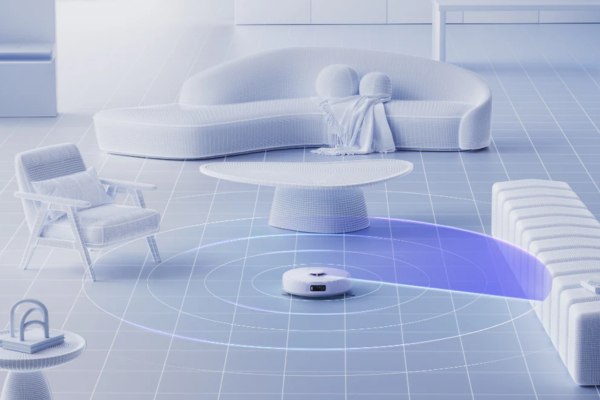
The Narwal Freo Z Ultra is built for homes that need more than basic navigation. It combines LiDAR 4.0 navigation for fast, accurate map creation with dual RGB cameras and AI-powered obstacle avoidance for real-time hazard detection. That gives it a practical advantage in room mapping, route planning, edge cleaning, and cleaning around cables, furniture, and other everyday obstacles. It also supports multi-floor mapping and app-based no-go zones, so you can control where it cleans without remapping each time.
[cta:narwal-freo-z-ultra-robotic-vacuum-and-mop-cleaner-clean-before-you-even-notice]
Dual RGB Cameras for Precision Mapping
At the core of the Narwal Freo Z Ultra’s mapping technology are its dual RGB cameras. These cameras work in tandem to create a 3D map of your home, providing 1600 x 1200 HD resolution and 136° ultra-wide-angle lenses that deliver millimeter-level accuracy. This high-definition mapping ensures the vacuum knows exactly where it is in your home, allowing it to plan the most efficient cleaning path and avoid missing spots.
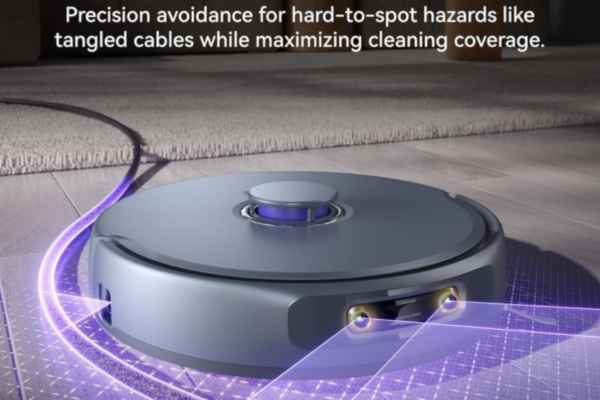
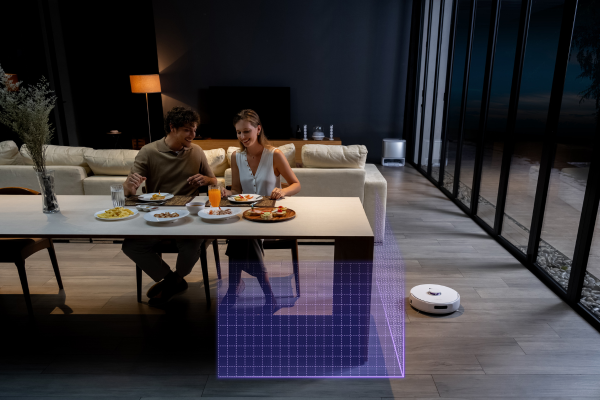
What makes the dual RGB cameras so effective is their ability to not only map out the environment but also detect obstacles in real time. This allows the Freo Z Ultra to navigate around furniture, pet toys, cables, and other small objects. Unlike basic robot vacuums that often follow random or pre-set paths, the Freo Z Ultra continuously adjusts its route based on the room layout, making its cleaning more thorough and efficient.
AI-Powered Chip for Real-Time Decision Making
The Freo Z Ultra is powered by an AI chip that processes data from the dual RGB cameras and additional sensors. This dual-chip technology includes a main CPU and a dedicated AI chip, which can perform 4 trillion calculations per second, providing the vacuum with the computing power it needs to make real-time decisions.
For instance, if the vacuum detects an area with higher dirt concentration, the AI chip automatically increases the suction power to clean more effectively. Similarly, if it encounters an obstacle, the AI makes an immediate adjustment to the cleaning path, ensuring the vacuum avoids the obstruction without missing a beat. This continuous decision-making process helps the Freo Z Ultra clean more intelligently, saving time and improving overall efficiency.
Multi-Floor Mapping and Floor Plan Storage
Another remarkable feature of the Narwal Freo Z Ultra is its ability to save multiple floor plans. The vacuum can store up to four different floor plans, making it the ideal choice for multi-level homes. After mapping a floor, it can seamlessly transition between different levels without requiring manual resets or reprogramming.
This feature is especially useful for multi-floor homes. Whether it's a ground floor, upper floor, or even a basement, the Freo Z Ultra ensures every area is cleaned with the same precision. This multi-floor mapping allows the vacuum to switch between floors without the need to re-map or make adjustments, ensuring that cleaning continues uninterrupted.
Customizable Cleaning Zones and No-Go Areas
One of the standout features of the Freo Z Ultra is the ability to set custom cleaning zones and designate no-go areas. Through the companion app, you can easily mark specific rooms or areas to be cleaned more frequently, or even block the vacuum from cleaning sensitive areas like pet feeding zones or delicate rugs.
For example, if you want the kitchen to be cleaned more often due to food spills, you can designate it as a high-priority cleaning zone, allowing the vacuum to focus more on this area. You can also set no-go zones to keep the vacuum away from areas with heavy clutter or places where pets rest. This level of customization ensures that the Freo Z Ultra can clean based on your specific needs, improving efficiency and giving you more control over your cleaning routine.
How the Freo Z Ultra Handles Obstacles and Corners
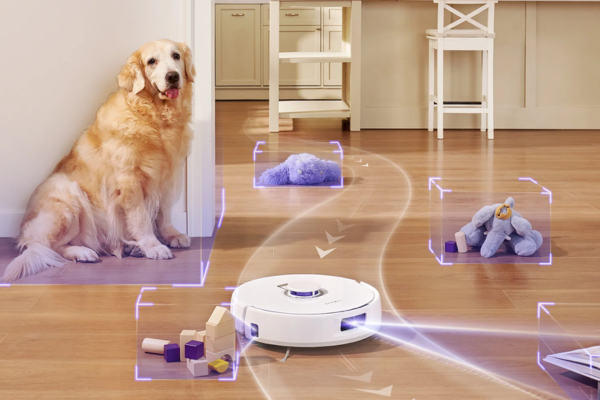
The Freo Z Ultra’s dual cameras and advanced sensors work together to ensure effective obstacle avoidance. These sensors help the vacuum detect over 120 types of objects, including furniture, small obstacles, wires, pet toys, and even cables, adapting the cleaning path to avoid interference. This is particularly important in homes with high foot traffic or where small objects tend to be left on the floor.
In tight spaces like corners or narrow hallways, the precise mapping technology ensures the vacuum adjusts its path for thorough cleaning. The Freo Z Ultra doesn’t just clean around obstacles; it can clean along edges and reach under furniture with ease, offering more complete coverage compared to other models that may miss these areas.
Real-Time Adaptation and Cleaning Flexibility
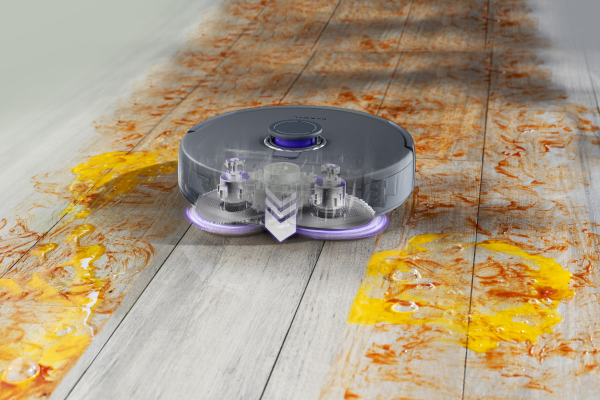
Real-time adaptability is a key strength of the Freo Z Ultra. As the vacuum moves through your home, it continuously adjusts its cleaning path based on real-time data from the cameras and sensors. For example, when moving from hardwood to carpet, the Freo Z Ultra automatically switches to a higher suction mode to ensure thorough cleaning.
This adaptability ensures the vacuum isn’t locked into a fixed cleaning strategy. It constantly optimizes its path and adjusts its performance based on the terrain, dirt levels, and any obstacles it encounters. Whether you're dealing with a room full of pet hair, a spill, or a mix of hard floors and carpets, the Freo Z Ultra adapts quickly to deliver superior results.
If you're tired of robot vacuums that miss spots, get stuck on obstacles, or require constant manual intervention, the Freo Z Ultra is the smart choice. Its ability to adapt to your home’s layout, detect and avoid obstacles, and clean multiple floors with ease makes it the perfect cleaning companion for any home.
Comparison with Other Popular Models
While there are many robot vacuums on the market, the Narwal Freo Z Ultra stands out for its superior mapping technology. Now, let’s compare it with some of the top models on the market.
Narwal Freo Z Ultra vs. iRobot Roomba s9+
The iRobot Roomba s9+ is known for its strong suction and edge cleaning design, but its mapping system relies only on cameras. This can struggle in low light. In comparison, the Narwal Freo Z Ultra combines dual RGB cameras and AI-powered technology, offering more precise navigation and real-time adaptability. This means it can efficiently map rooms and avoid obstacles even in changing light conditions, ensuring a more thorough clean without missing spots.
Narwal Freo Z Ultra vs. Ecovacs Deebot X1 Omni
The Ecovacs Deebot X1 Omni uses LiDAR mapping and has an auto-empty station, but it lacks the dual-camera system of the Freo Z Ultra. The Freo Z Ultra can recognize over 120 obstacles, like cables and toys, making it better at navigating cluttered spaces. This results in less disruption and better cleaning in spaces filled with small objects.
Narwal Freo Z Ultra vs. Roborock S7 MaxV
The Roborock S7 MaxV offers good suction and multi-floor mapping, but its obstacle detection isn’t as advanced as the Freo Z Ultra. The Freo Z Ultra’s dual RGB cameras and AI chip allow it to avoid obstacles in real-time and adapt to complex spaces. It cleans edges and tight corners better, while the S7 MaxV might struggle with certain obstacles or miss spots.
Key Differences
-
Mapping Precision: The Freo Z Ultra uses dual RGB cameras for real-time mapping, offering superior precision compared to the Roomba and Deebot.
-
Obstacle Recognition: The Freo Z Ultra recognizes over 120 obstacles, making it ideal for cluttered spaces.
-
Real-Time Adaptability: The AI chip allows the Freo Z Ultra to adjust its cleaning path dynamically, ensuring a more efficient cleaning.
-
Multi-Floor Mapping: The Freo Z Ultra can store up to four-floor plans, perfect for multi-level homes.
The Narwal Freo Z Ultra outperforms other popular models like the Roomba s9+, Deebot X1 Omni, and Roborock S7 MaxV in terms of mapping technology. Its dual RGB cameras, AI-driven real-time adjustments, and superior obstacle detection make it the smarter choice for a thorough, hassle-free cleaning experience.
Why Mapping Matters for Australian Homes
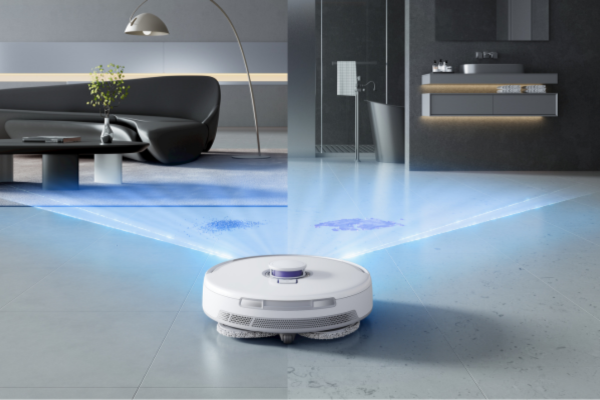
Mapping technology is especially useful in Australian homes due to their unique layouts and flooring types. Many homes feature a mix of hardwood, tiles, and carpets, which requires a vacuum that can adapt quickly to surface changes and clean effectively across all zones.
Open-plan kitchens, long hallways, and living spaces with minimal partitions are common. In these environments, a robot vacuum with intelligent navigation is better at planning efficient paths and avoiding missed areas.
Australian families often have pets or young children, which means toys, pet bowls, and cables can be scattered on the floor. A robot vacuum with real-time object detection and mapping can navigate these obstacles smoothly without stopping or getting stuck.
For these reasons, choosing a robot vacuum with advanced mapping is not just a preference but a practical need for many Australian households.
What to Look for in a Robot Vacuum with Smart Mapping
When choosing a robot vacuum with smart mapping, prioritise these features in this order: LiDAR or laser mapping for fast, accurate home mapping; smart obstacle avoidance for cables, toys, and pet bowls; room mapping with no-go zones for targeted cleaning; and multi-floor mapping if you clean more than one level. If your home has a mix of hard floors and carpets, it also helps to choose a model that can adapt its cleaning route and settings as it moves between surfaces. For Australian homes, this matters most in open-plan living areas, long hallways, and homes where you want the robot to clean specific rooms without extra setup.
Conclusion
The Narwal Freo Z Ultra sets a high standard for robot vacuums with advanced mapping. With dual RGB cameras, AI-powered real-time adjustments, and multi-floor support, it delivers precise, efficient, and hassle-free cleaning. Whether you’re managing pet hair, navigating clutter, or maintaining large spaces, this robot adapts intelligently to your home.
For those in Australia looking to upgrade their cleaning experience, Narwal Australia offers smart solutions built for local needs. Explore our full range of best mapping robot vacuums to find the model that fits your space and lifestyle.
Choose smart. Choose precise. Choose Narwal.
What makes a robot vacuum with smart mapping better than a basic model?
A smart mapping model can understand the home layout, clean in a more systematic pattern, and give the user more control over where and how it cleans. That usually means fewer missed spots, less repeated coverage, and less manual intervention.
Is LiDAR enough on its own for good mapping performance?
LiDAR is excellent for accurate layout creation and navigation, especially in low light, but the best overall performance often comes from combining LiDAR with cameras or AI-based obstacle recognition. That combination helps the robot both map the home and react to specific objects more intelligently.
Why does room-by-room control matter in everyday use?
Room-by-room control makes cleaning more practical because you can target high-traffic spaces, skip certain rooms, and create routines that fit how the home is actually used. It is especially useful when the whole home does not need the same cleaning every day.
Are no-go zones only useful for pet owners?
No. No-go zones are also useful for protecting delicate rugs, avoiding charging cables, steering clear of cluttered corners, or keeping the robot away from items that could interrupt cleaning. They add flexibility in many different home setups.
Does smart mapping help battery efficiency?
Yes. A robot that understands the layout can avoid unnecessary overlap and wasted movement, which usually leads to more efficient cleaning and better battery use than random navigation.
Is multi-floor mapping important if I only move the robot upstairs occasionally?
It still can be. Even occasional use on another level becomes much easier when the robot can store a separate floor plan instead of treating each move as a new environment that needs to be remapped from scratch.
Can smart mapping improve cleaning in homes with mixed flooring?
Yes. In mixed-floor homes, better mapping helps the robot understand room boundaries, surface transitions, and where special settings may be needed. That can improve both cleaning accuracy and day-to-day convenience.
What kind of home benefits most from advanced obstacle avoidance plus mapping?
Homes with cables, toys, pet bowls, furniture legs, narrow passages, and changing layouts benefit the most. In these environments, mapping alone is not enough. The robot also needs to react intelligently to real-world obstacles.
Should buyers compare mapping features separately from suction power?
Yes. Strong suction matters for pickup performance, but mapping features determine how efficiently the robot reaches and covers the right areas. A vacuum with great suction but poor mapping may still feel unreliable in daily use.


