
A robo mop combines automated vacuuming and wet mopping for everyday hard-floor maintenance.
A robo mop is an autonomous floor-cleaning device that wet-mops hard floors. A robot mop vacuum adds suction and brushes, so it can pick up dry debris before or during mopping. Its main role is routine maintenance. It maps rooms, detects surfaces, controls water flow, wipes or scrubs the floor, and returns to a dock or charging base after the run.
In Australian homes with tile, hybrid flooring, sealed timber, laminate or vinyl, a robo mop can reduce dust, footprints, pet hair, crumbs and light kitchen marks between manual cleans. It works best when the cleaning system matches the home's floor mix, rug layout and usual messes.
What Does a Robo Mop Actually Do?
A robo mop automates damp hard-floor cleaning by moving through a mapped space, applying moisture to a mop pad, roller or cloth, and lifting light surface dirt. A robot mop vacuum also uses suction, so it can collect crumbs, dust, hair and grit in the same scheduled clean.
Basic models drag a damp cloth behind the robot. More capable designs use spinning pads, vibrating pads or a rolling mop system that creates stronger contact with the floor. Mop washing also matters, because a dirty pad can spread grime instead of removing it.
A robo mop should be judged as a consistency tool. It helps stop daily mess from building up, while manual cleaning is still needed for heavy grease, stained grout and neglected corners.
How Does a Robot Mop Vacuum Work?
A robot mop vacuum combines navigation, suction, water control and mop contact. Navigation decides the route, suction removes dry debris, water control keeps the mop damp, and the mop system wipes or scrubs as the robot moves.
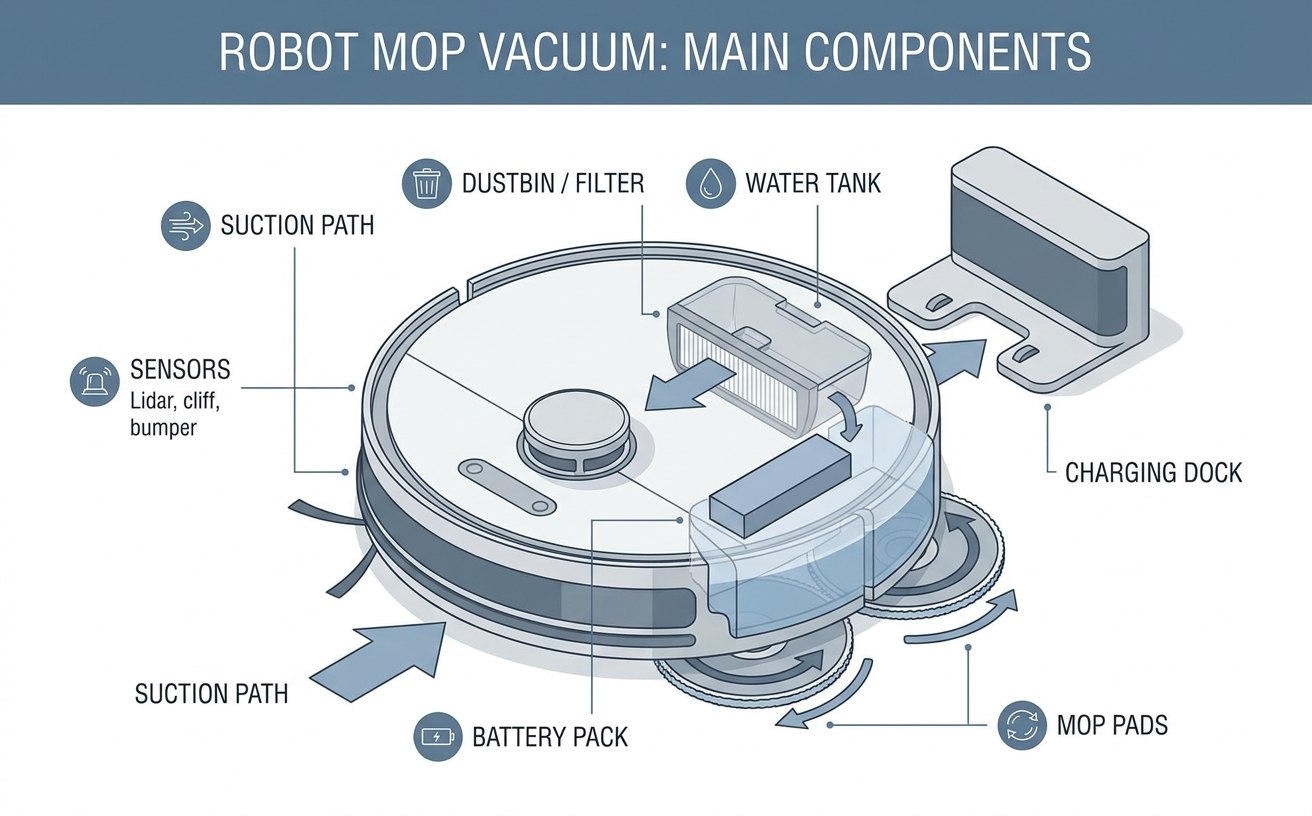
The core systems are navigation, suction, water delivery, mopping contact and docking.
The robot starts by building or loading a map. Many current models use LiDAR, cameras, structured light or floor sensors to read room shape, detect obstacles and plan paths. App controls usually handle room selection, schedules, no-go zones, water level and suction level.
During cleaning, brushes and suction pull in loose debris while the mopping system follows with damp pads, a cloth or a roller-style mop. Good water control is important on sealed timber and laminate because the floor should be damp-cleaned, not left wet.
After the run, the robot returns to the dock. Basic docks recharge the battery. More automated docks can empty dust, refill water, wash mop pads and dry them to reduce odour. These dock functions often shape daily ownership more than one headline suction number.
What Are the Main Parts of a Robot Mop Vacuum?
The main parts of a robot mop vacuum are the drive system, sensors, dustbin, water tank, mop assembly, battery, software map and dock. Each part supports a different part of the clean, and a weak design in one area can limit the final result.
The drive system helps the robot move around furniture and cross small thresholds. Sensors help it avoid chair legs, shoes, toys, cables and drop-offs. The dustbin stores dry debris, while the water tank feeds the mop. The mop assembly creates the physical contact that removes marks from the floor.
Dry dirt goes into the robot dustbin first. On models with self-emptying docks, the dock later pulls that debris into a larger dust bag or container. Mopping residue follows a different path: it stays in the mop pad, is rinsed into dirty water, or is collected by a dock wash system, depending on the design.
The dock determines how much work remains after cleaning. A simple dock charges the robot. A self-maintenance dock may also wash pads, dry them, refill water or store dust, which reduces the number of small chores attached to each run.
What Types of Robot Mop Systems Are Used?
Robot vacuum cleaner mopping systems usually use a flat pad, dual spinning pads or a rolling mop. Flat pads wipe, spinning pads scrub, and rolling systems can combine movement, pressure and water exchange across a larger contact area.
Mopping performance depends on contact time, pressure, moisture and pad cleanliness. A robot mop vacuum with strong suction but weak mop contact may pick up crumbs well yet leave visible marks behind.
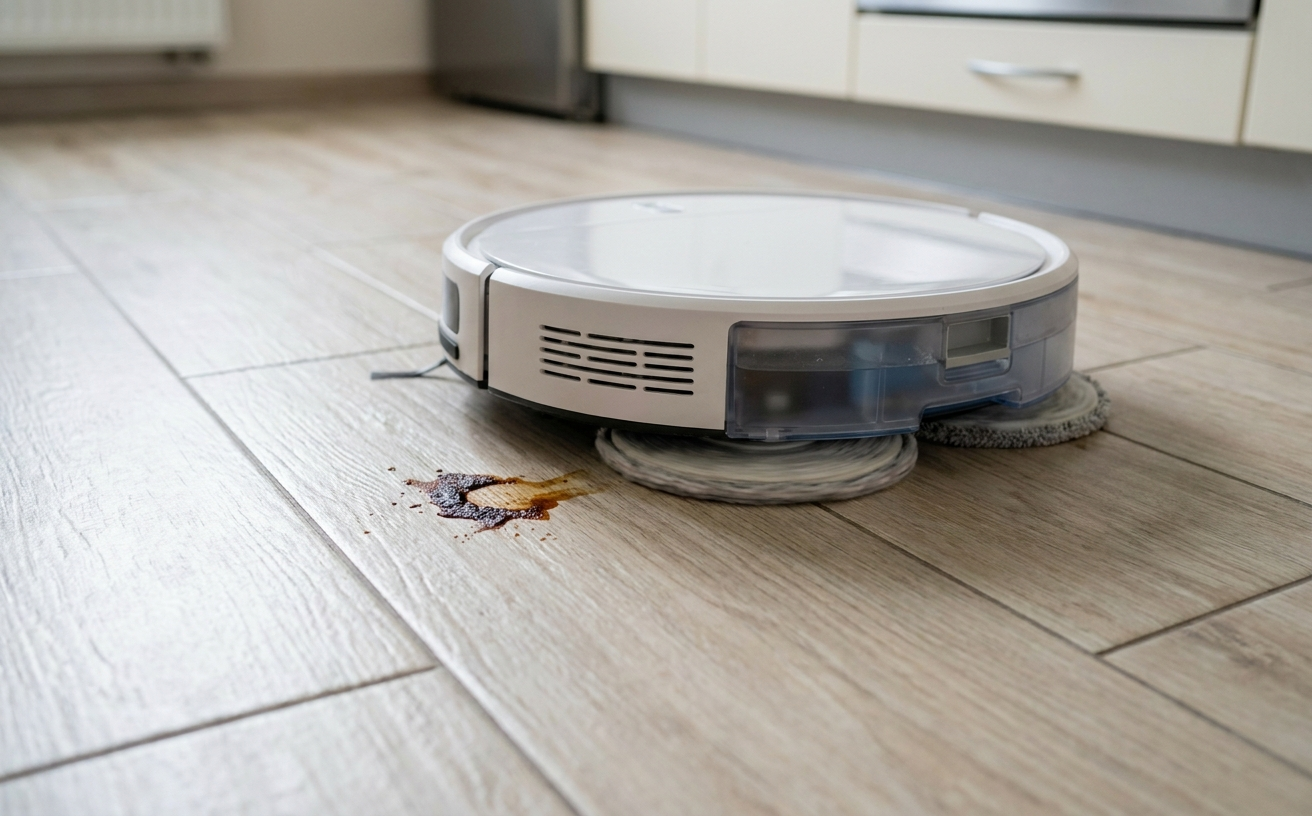
Mopping performance depends on pressure, moisture control and how clean the mop stays during the run.
Can a Robot Vacuum and Mop in One Run?
Many auto vacuum and mop models can clean dry debris and damp-mop in one run, but the best setting depends on the mess and floor type. Simultaneous vacuuming and mopping is efficient for daily dust and light marks. A vacuum-first, mop-second run can work better when loose grit or heavier dry debris is present.
This matters in homes where hard floors meet rugs, pet areas and outdoor dust from sliding doors or entryways. If grit remains on the floor while the mop is wet, it can smear or leave a rough residue. A dry pickup pass gives the mop a cleaner surface to work on.
Some models adjust the brush, mop and water level based on detected mess. That helps when one home has mixed conditions, such as pet hair in a hallway, coffee drips in the kitchen and dust near the patio door.
How Do Robot Mop Vacuums Handle Carpets and Rugs?
A robot mop vacuum handles carpets by detecting soft flooring and changing its cleaning behaviour. Depending on the model, it may lift the mop, avoid the carpet, boost suction or follow a carpet-specific route. Mop lifting is important because wet pads can dampen rugs if the robot does not separate mopping from vacuuming.
Carpet detection is usually handled by ultrasonic sensors, floor sensors or saved map zones. Once the robot recognises a rug or carpeted area, the app may let you choose vacuum-only cleaning, full avoidance or crossing with the mop raised.
This feature also applies to bath mats, entry mats, hallway runners and living-room rugs. Homes with many rugs should treat carpet strategy as a core buying factor.
What Floors Are Best for a Robo Mop?
A robo mop works best on hard, sealed floors such as tile, vinyl, hybrid flooring, laminate and sealed timber. It is less suitable for unsealed timber, damaged laminate, uneven stone with deep grooves, or any surface where standing moisture can cause problems.
Tile usually tolerates robot mopping well, especially in kitchens, laundries and bathrooms. Sealed timber and laminate need more careful water control. The goal is a damp clean, not a wet floor.
Check the flooring manufacturer's care instructions before using any robot mop vacuum. If the floor should only be lightly damp-mopped, use conservative water settings and avoid repeated wet passes in one small area.
What Are the Real Benefits of a Robot Mop Vacuum?
The main benefit of a robot mop vacuum is consistent cleaning. It can run more often than most people mop manually, which helps hard floors stay cleaner between deeper weekly or fortnightly cleans.
A robo mop is useful for open-plan living areas, kitchens, pet zones and entryways because those spaces collect crumbs, paw prints, dust and outdoor grit quickly. Scheduled cleaning keeps those marks from settling into a larger job.
The second benefit is reduced hands-on work. App scheduling, room selection, no-go zones and self-maintenance docks shift the task from active mopping to checking tanks, pads, filters and the dock.
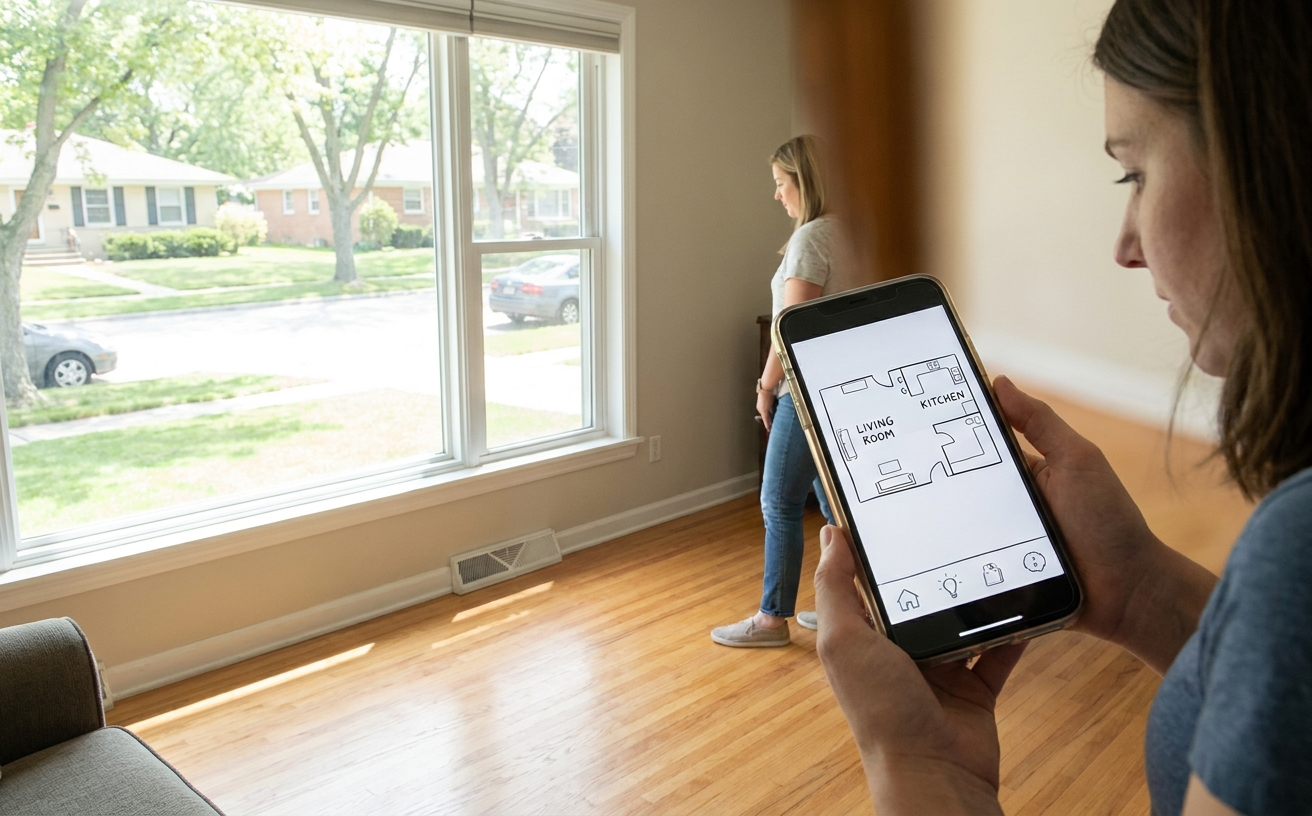
App maps help users schedule rooms, set no-go zones and adjust water or suction levels.
What Are the Limits of a Robo Mop?
A robo mop is not a full substitute for manual deep cleaning. It is designed for maintenance cleaning, light stains and regular dust control. Heavy grease, dried-on spills, grout discolouration, sticky build-up and neglected corners may still need a manual mop, brush or targeted cleaner.
Clutter also affects results. Cables, socks, small toys and thin mats can interrupt a run even when the robot has obstacle avoidance. The clearer the floor is before the robot starts, the more complete the clean will be.
Maintenance remains part of ownership. A robot mop vacuum still needs clean water, dirty water disposal, dustbin or bag replacement, filter cleaning and occasional brush checks. Self-washing and drying docks reduce this work, but they do not remove it completely.
Which Robot Mop Vacuum Features Matter Most?
The most important robot mop vacuum features are reliable navigation, strong debris pickup, controlled water delivery, effective mop contact, carpet handling and easy maintenance. A balanced feature set matters more than one dramatic number that does not match the way your home gets dirty.
Pet homes should prioritise tangle resistance and obstacle avoidance because hair, toys and food crumbs appear daily. Apartments may place more weight on quiet operation and compact docking. Large tiled homes should look closely at runtime, water capacity and mop washing so the clean can finish without frequent interruption.
Homes with rugs should prioritise carpet detection and mop lifting. Kitchen-heavy layouts need strong mopping pressure, active scrubbing and a dock that washes and dries the mop. Homes with long hair should check how the roller brush and side brush move hair into the dustbin without wrapping.
Where Narwal Robot Mop Vacuums Fit
Narwal Australia is relevant when the cleaning problem is not just dry debris, but keeping the mop clean during repeated hard-floor runs. The strongest fit is homes where a robot mop vacuum needs to keep lifting dirt instead of dragging it around.
For advanced robo mop shoppers, Narwal Flow is the closest match. It is a robot vacuum and mop with a real-time self-cleaning FlowWash mopping system that rinses the track mop with warm water during cleaning, applies 12N mopping pressure and spreads water through a 16-way spray system. That combination supports the main user benefit: the mop keeps refreshing while it works, which helps with everyday kitchen marks, footprints and pet traffic on hard floors.
Narwal Flow also supports the problems that matter in mixed Australian homes: CarpetFocus Technology with 12mm mop lifting on carpet detection, DualFlow tangle-free hair handling, edge-reaching mop and side brush movement, dual RGB camera obstacle avoidance and an all-in-one base station for washing and drying mop components.
Narwal Freo X10 Pro is also relevant for robot mop vacuum shoppers who want automated mopping with an all-in-one dock. It pairs 11,000Pa suction with DualFlow tangle-free brushes, edge mopping, 8N downward pressure, 180 RPM scrubbing and dock functions for self-emptying, mop washing and hot-air drying. It makes most sense where daily hair, crumbs and light floor marks are common.
Narwal Australia also sells cordless wet and dry vacuums such as the S30 series. Those are manual cleaners for direct spill pickup rather than autonomous robo mops, so they suit a different cleaning job.
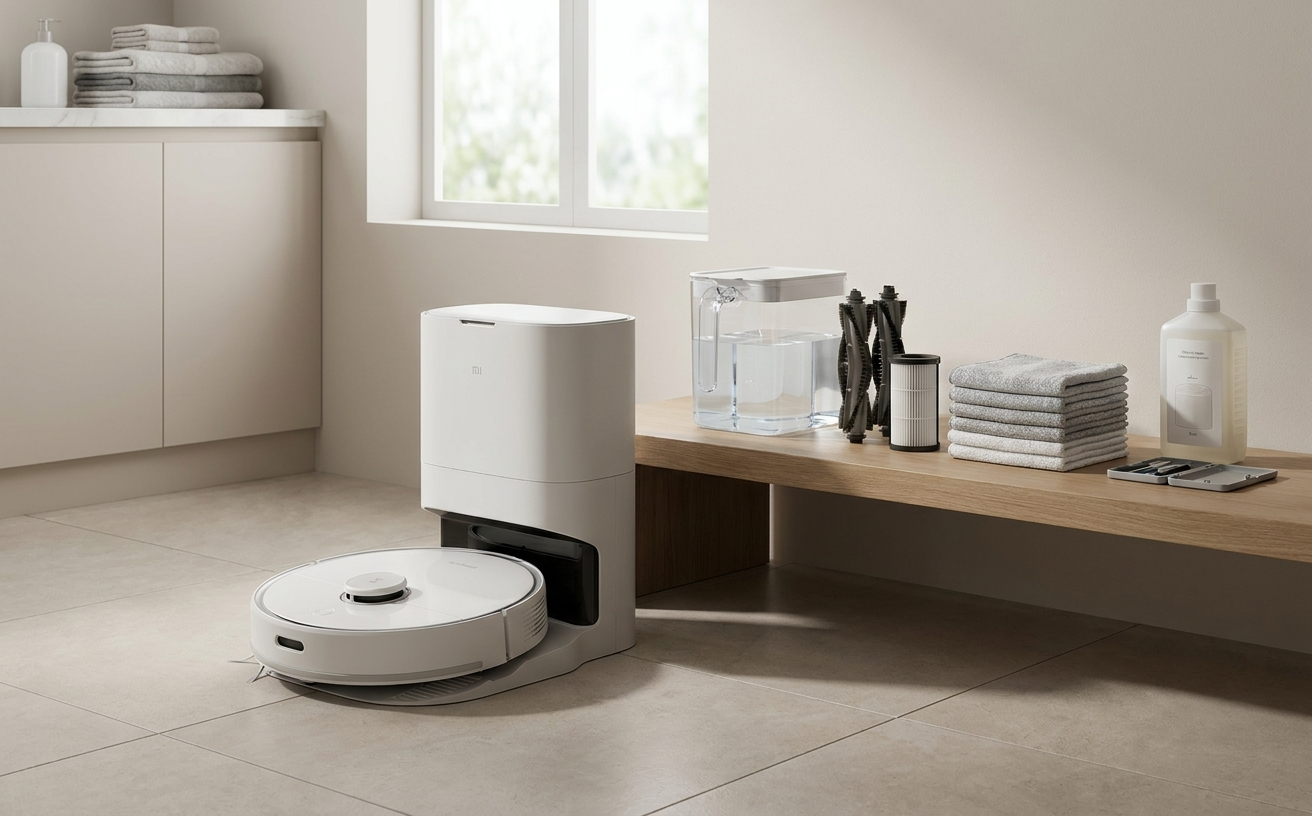
A self-maintenance dock can reduce hands-on work by washing, drying, refilling or emptying between runs.
How Should You Maintain a Robot Mop Vacuum?
A robot mop vacuum stays effective when the mop, brush, filter, sensors, dust path and dock are kept clean. Skipped maintenance reduces suction, lowers mopping hygiene and can cause the robot to misread obstacles or floor edges.
Empty dirty water when needed, replace or wash mop pads as recommended, check the roller brush for hair, wipe sensors with a soft cloth and keep charging contacts clean. If the dock washes mop pads, inspect the wash tray and filter area so residue does not build up.
Use cleaning solution only as directed by the manufacturer. Too much detergent can foam, leave residue or damage internal parts. In homes with pets or young children, store cleaning solution out of reach and let freshly mopped floors dry before heavy traffic.
How Do You Choose the Right Robo Mop for Your Home?
Choose among robot floor cleaner types by matching the device to your floor type, mess pattern, rugs, home size and maintenance expectations. Start with the cleaning problem that repeats every week, then compare the features that solve it.
If the main issue is crumbs and dust, suction, brush design and navigation should lead the decision. If the main issue is footprints, kitchen marks and pet paw prints, mop pressure, pad motion and mop washing matter more. If rugs sit in most rooms, carpet detection and mop lifting should be near the top of the list.
The best robot mop for a home should make normal cleaning easier without creating a new chore. Look for consistent cleaning, reliable obstacle handling, rug protection and a mop system that stays clean enough for the next run.
FAQs
Is It Worth It to Get a Robot Vacuum With a Mop?
Yes, if your home has hard floors that collect dust, footprints or pet marks between manual cleans. The value is not replacing every manual mop. It is keeping floors consistently presentable with less hands-on work.
Can a Robot Mop Vacuum Handle Water on the Floor?
Normal mopping moisture should not damage a robot mop vacuum when it is used as directed. Large puddles or liquid spills are different. They should be handled with a towel, wet and dry vacuum or manual cleanup.
Does a Robot Mop Vacuum Replace a Normal Vacuum?
A robot mop vacuum can reduce how often you vacuum hard floors, but it does not fully replace a manual vacuum. Stairs, upholstery, skirting boards and deep carpet cleaning usually still need a stick or barrel vacuum.
How Often Should I Run a Robot Mop Vacuum?
Most homes get the best result from running a robot mop vacuum several times a week on high-traffic hard floors. Daily cleaning can make sense in pet homes, kitchens and entryways with frequent dust or footprints.
What Is the Difference Between a Robo Mop and a Wet and Dry Vacuum?
A robo mop cleans autonomously using maps, sensors and schedules. A wet and dry vacuum is usually a manual tool that you push yourself, which makes it better for targeted spills but less automatic for routine floor care.


