




If you are dealing with allergies, pet dander, or fine dust that keeps coming back, the vacuum matters as much as how often you clean. A proper HEPA vacuum can help because it traps tiny particles instead of sending them back into the air while you vacuum.
This guide compares the best HEPA vacuum cleaners in Australia for 2026 and explains what to look for before you buy. It breaks down which options suit allergy-sensitive homes, pet hair, and damp or mould-prone spaces, and how to choose a model that matches your floors and day to day routine.
Quick Summary
- The best HEPA vacuum depends on your main goal, allergy control, pet hair, mould risk, or quick daily cleaning
- HEPA works best with a sealed system so air does not leak around the filter and carry dust back into the room
- Bagged vacuums usually keep disposal cleaner, while bagless models are convenient but can release dust when emptied
- Look beyond the HEPA label, suction, floor suitability, weight, noise, and dust handling matter just as much
- HEPA performance depends on upkeep, keep filters, air paths, and brush rolls clean and maintain the bin or bag properly
Best HEPA Vacuum Cleaners for Allergies, Pet Hair & Dust in 2026
Not every HEPA vacuum cleaner suits the same home. Some are better for allergy control and fine dust, while others are better for pet hair, hard-floor messes or quick daily cleaning. The picks below are grouped by use case so you can choose the best HEPA vacuum for your home faster.
Best HEPA Vacuum for Allergies: Narwal Freo Z10 Robot Vacuum & Mop
If you struggle with allergies, the Narwal Freo Z10 Robot Vacuum & Mop is a great choice. It comes equipped with a HEPA filter that captures allergens like dust and pet dander, preventing them from being released back into the air. The Z10 uses a dynamic edge-cleaning system to clean along the walls and corners where allergens often build up. With multiple cleaning modes, it adjusts to different surfaces, ensuring efficient cleaning for allergy sufferers.
[cta:narwal-freo-z10-robot-vacuum-mop]
Best HEPA Vacuum for Pets: Narwal Freo Pro Robot Vacuum & Mop
For pet owners, the Narwal Freo Pro Robot Vacuum & Mop is ideal. This vacuum features a zero-tangling brush system, which ensures that pet hair doesn’t get caught. It also offers a powerful 8500Pa suction and comes with AI DirtSense technology that adjusts the cleaning power based on the level of dirt, making it perfect for pet hair and dander. The Freo Pro ensures your floors stay clean without hair tangling.
Best HEPA Vacuum for Mold and Mold Spores: Narwal Freo X Ultra Robot Vacuum & Mop
Mold and mold spores can be tricky, especially in damp areas. The Narwal Freo X Ultra Robot Vacuum & Mop is designed with a HEPA filter that traps mold spores and other small particles, keeping them from spreading. Its dynamic cleaning system reaches all corners and difficult spots where mold may grow. With both wet and dry cleaning modes, the Freo X Ultra is effective at cleaning areas prone to moisture, preventing mold buildup and maintaining cleanliness.
[cta:narwal-freo-x-ultra-robot-vacuum-mop]
Best Cordless HEPA Vacuum for Quick Cleanups: Narwal S20 Pro Vacuum Mop
If you need a quick cleanup, the Narwal S20 Pro Vacuum Mop is the ideal option. This cordless vacuum provides powerful 20,000Pa suction, making it easy to handle spills and messes quickly. With AI DirtSense technology, the suction adjusts based on dirt levels, ensuring optimal performance. The self-cleaning brush function keeps the mop ready to use at all times, with low maintenance needs.
[cta:narwal-s20-pro-vacuum-mop]
What to Look For in a HEPA Vacuum Cleaner
When comparing a HEPA vacuum cleaner, don’t look at the filter alone. The best models use a true HEPA filter together with a sealed filtration system, so fine dust, pet dander and allergens stay trapped inside the vacuum instead of leaking back into the air. After that, compare dustbin design, suction performance, floor compatibility and day-to-day handling.
Bagged vs. Bagless
Bagged vacuums keep dust and allergens sealed inside. This makes them a better choice for people who are sensitive to air particles. You don’t have to worry about dust leaking out when you throw the bag away. But over time, the cost of replacement bags can add up.
Bagless vacuums are easier to empty and don’t require extra parts. They often have larger dustbins, which means less time spent on cleanup. However, when you empty them, dust can escape into the air if you’re not careful.
Dustbin Capacity and Disposal
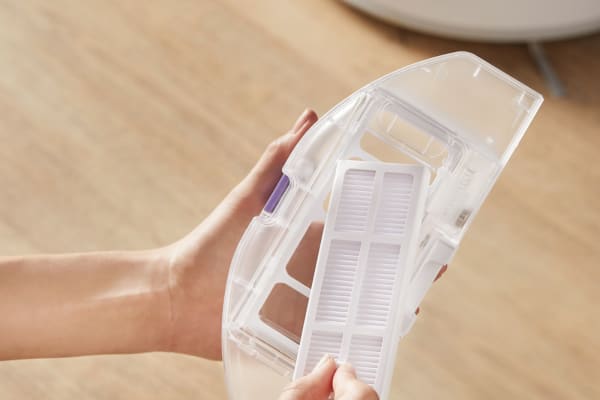
When choosing a HEPA vacuum cleaner, dustbin capacity is key. A larger dustbin (at least 0.5 to 1 liter) reduces the frequency of emptying, making it ideal for larger spaces or homes with pets. However, capacity alone isn’t enough—how the dustbin empties matters too. A good HEPA vacuum should allow you to empty it without releasing dust back into the air. Some models, like the Narwal Freo Z10, even feature a self-emptying system, ensuring a cleaner, more convenient experience.
Weight and Handling
Weight and handling are key factors when selecting a HEPA vacuum. Vacuums heavier than 10-12 pounds can be challenging to move around, especially when you need to carry them up stairs or navigate under low furniture. Models under 10 pounds are easier to handle, making them ideal for multi-level homes or quick clean-ups.
For homes with narrow spaces or low furniture, a lightweight, cordless vacuum is even more important. The Narwal S20 Pro, for example, weighs under 10 pounds and is designed for easy maneuvering in tight spots, making it perfect for spaces with obstacles.
Suction Performance
Suction power is crucial for effectively removing dirt and allergens from your floors. For deep cleaning thick rugs, pet hair, or mold-prone areas, a vacuum should have a suction power of at least 200-250 air watts (AW). Anything lower may require multiple passes over the same spot, leaving dirt behind.
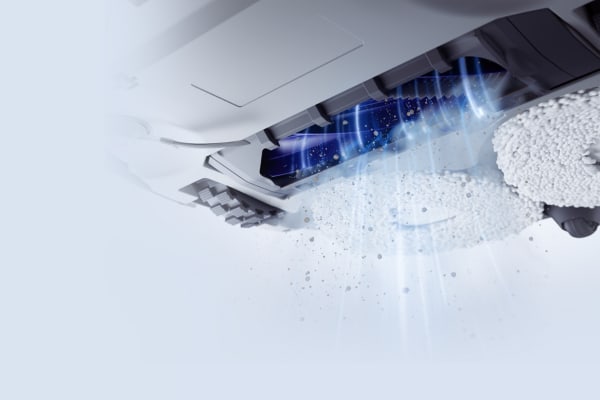
If available, check the vacuum’s suction rating for more clarity. Higher numbers generally indicate better pickup. Some models, like the Narwal Freo Z10, use smart sensors to automatically adjust suction. Narwal’s DirtSense technology, for example, increases suction when it detects higher dirt levels, improving efficiency while saving energy.
Noise Level
Loud vacuums can be annoying, especially if you have pets, kids, or thin walls. A quieter vacuum makes cleaning less disruptive and more convenient. If noise is a concern, look for a model with a decibel rating under 60 dB. Narwal vacuums are designed to run quietly without compromising suction, making them perfect for shared or sensitive spaces.
Floor Type Compatibility
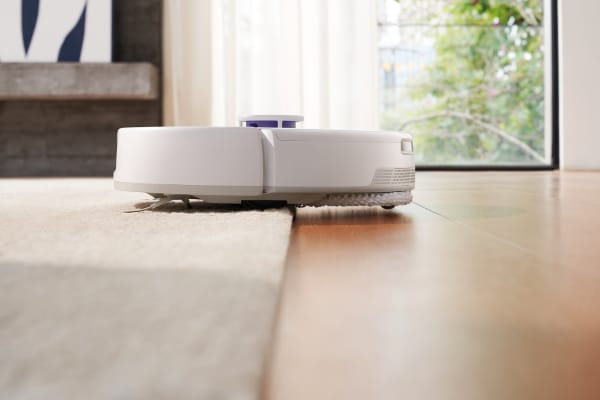
Not all vacuums work well on every floor type. Some excel on carpets but struggle on hard floors, while others can’t deep clean rugs. Choose a vacuum that can handle both without extra tools or manual adjustments. A smart option is a vacuum that automatically detects the floor type and switches modes. The Narwal Freo Z Ultra does just that, seamlessly switching between surfaces and modes without you having to lift a finger.
How to Maintain a HEPA Vacuum for Best Performance
Choosing the right HEPA vacuum is only the first step. To keep it working like new, regular maintenance is just as important. Let’s go over how to take care of your filter, brush roll, dustbin, and airflow system, so your vacuum keeps its power and stays reliable.
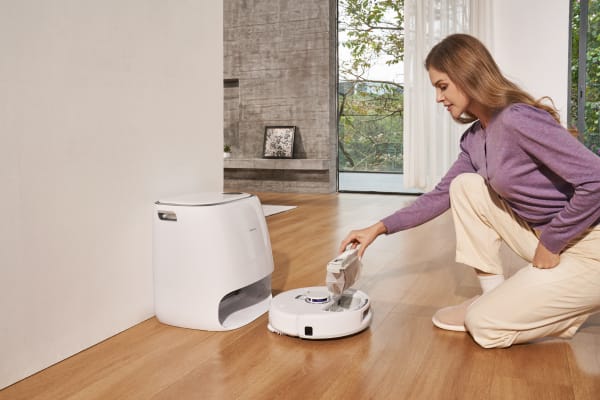
Clean and Replace the HEPA Filter
Take out the HEPA filter every month. If it looks dusty or gray, tap it gently over a trash can. If your vacuum allows it, rinse it with water and let it dry fully before putting it back.
If the filter still looks dirty after cleaning, replace it. Don’t wait too long. Change the filter every 3 to 6 months. If you use your vacuum often, or have pets or allergies, replace it sooner.
A dirty filter makes the vacuum weak. If suction drops, the filter is the first thing to check.
Keep the Hose and Air Path Clear
Turn off the vacuum and unplug it. Remove the hose. Look through it from one end. If you see something inside, push it out with a broom handle or long stick.
Check the tube between the floor head and the dustbin. Wipe away any buildup. If your vacuum has a self-emptying dock, make sure nothing blocks the chute.
Even a small clog can cut suction. Clean the hose every few weeks, or sooner if suction feels low.
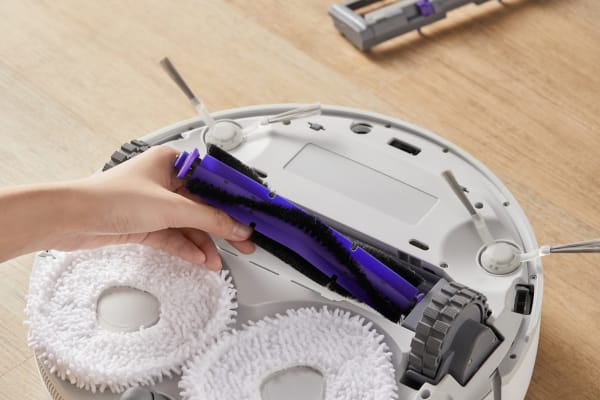
Clean the Brush Roll and Nozzle
Flip the vacuum over. Use scissors to cut away hair and string from the brush roll. Pull out anything stuck at the ends. Turn the brush by hand to check it spins freely.
Wipe the brush and nozzle with a dry cloth. If the nozzle detaches, rinse it under warm water. Dry it completely before putting it back.
Clean the brush roll once a week. Do it more often if you have pets or long hair.
Empty and Clean the Dustbin
Empty the bin before it gets too full. Don’t wait until it reaches the top. A full bin reduces suction and spreads dust.
Open the bin over a trash can. Tap it gently to get everything out. Wipe the inside with a dry or slightly damp cloth. Rinse it once a week if it’s washable.
Let the bin dry completely before using the vacuum again. If you have a self-emptying vacuum, check the base regularly to make sure it’s working properly.
Store Your Vacuum the Right Way
Keep your vacuum in a dry place. Avoid damp rooms or direct sunlight. If it's cordless, store it near a plug so it’s easy to charge.
Don’t wrap the cord too tight. For robot vacuums, keep the charging base on a flat, open floor.
If you clean garages or workshops, store the vacuum away from dust and moisture. A clean storage spot helps the vacuum last longer.
FAQs
Can any vacuum use a HEPA filter?
No. A HEPA (High-Efficiency Particulate Air) filter requires a vacuum with a high-pressure motor and a fully sealed housing. If you try to fit a HEPA filter into a vacuum not designed for it, the motor may overheat due to the thick filter material, or "dirty" air will simply leak out of the gaps in the plastic casing, bypassing the filter entirely.
What is the best HEPA vacuum for allergies in 2026?
In 2026, top-tier models combine "True HEPA" filtration with airtight construction:
-
Best Cordless: The Dyson Gen5detect is a powerhouse, featuring a fully sealed HEPA system that captures 99.99% of particles as small as 0.1 microns (including viruses).
-
Best Canister: The Miele Complete C3 Marin remains the gold standard for severe asthma, using a medical-grade HEPA AirClean filter and a legendary sealed system.
-
Best Robot: The Roborock Qrevo Curv (with its 22,000 Pa suction) and the Narwal Freo Z Ultra (53dB) both use high-efficiency exhaust filters to ensure dust isn't recirculated during autonomous cleaning.
What is the difference between a "HEPA Vacuum" and a vacuum with a "HEPA Filter"?
A HEPA Vacuum is an airtight system where every cubic centimeter of air must pass through the HEPA filter before being exhausted. A vacuum with a HEPA filter may have the correct filter, but if the machine's body isn't sealed with rubber gaskets, microscopic allergens can leak out of the motor vents or side seams before they ever reach the filter.
How can I tell if my vacuum actually has a HEPA filter?
Look for the specific label "True HEPA" or "H13/H14 HEPA." In 2026, the industry standard for allergy relief is:
-
H13: Captures 99.95% of particles at the most difficult size (0.3 microns).
-
H14: A tenfold improvement, capturing 99.995% of particles.
Avoid vague terms like "HEPA-type" or "HEPA-like," which do not meet these certified laboratory standards.
Are HEPA vacuums worth it for pet hair and dander?
Yes. Pet dander is microscopic and "sticky." Standard vacuums often trap the visible hair but blow the dander (the actual allergen) back into the air. A HEPA vacuum seals that dander inside the machine. If you have pets, bagged HEPA vacuums (like the Riccar R40P Brilliance) are highly recommended, as the self-sealing bags prevent a "dust cloud" when you dispose of the waste.
How often should I maintain my HEPA filter?
-
Washable HEPA filters: Rinse with cold water once a month and let dry for exactly 24 hours.
-
Non-washable HEPA filters: Replace every 6 to 12 months.
-
Pro Tip: In busy 2026 households with pets, checking your filter every 3 months ensures the motor doesn't strain, which preserves both suction and air purity.
Is a quieter HEPA vacuum better for allergy control?
While noise doesn't change filtration physics, a quieter vacuum (like the Narwal Freo Z Ultra) is often used more frequently. Since allergy control relies on consistent removal of dust before it settles, a quiet machine that can run daily without disruption is a major advantage for sensitive users.
Can one HEPA vacuum handle both carpets and hard floors?
Yes, but look for adjustable suction and tangle-free brushes. On hard floors, you need a soft roller to prevent scattering fine dust; on carpets, you need an "Electro Brush" (like on the Miele C3) to agitate fibers so the HEPA system can suck up deep-seated dander. The Dyson Gen5detect does this automatically by sensing the floor type and adjusting its motor speed in real-time.
Find the Right HEPA Vacuum for a Healthier 2026
Choosing the right HEPA vacuum can make a real difference, especially if you live with dust, pet hair, or seasonal allergies. In this guide, you’ve seen what a HEPA vacuum does, what features to look for, and how to keep it performing at its best.
The four models we shared cover a range of needs, from deep carpet cleaning to fast daily touch-ups. No matter your space or routine, there’s a smart option that can help you breathe easier and clean more efficiently.
If you’re ready to upgrade, Narwal offers a full line of HEPA vacuum cleaners built for real homes and real life. Each one is designed to remove allergens, trap dust, and make cleaning less of a chore.
Start your 2026 with better air and better tools. Explore Narwal’s top-rated HEPA vacuums now.


