




Robot vacuums in 2026 feel less like gadgets and more like appliances that can look after themselves. They map rooms properly, avoid everyday clutter with fewer stops, and keep cleaning performance more consistent from one run to the next.
The biggest shift is decision making. Instead of simply driving around, newer models use better sensors and software to choose where to go, when to boost power, and how to manage docking and mop care with less input from you. This guide explains what “AI robot vacuum” really means in practice, and which upgrades actually change day to day results.
Quick Summary
- In 2026, robot vacuums are defined more by smarter decision making and autonomy than by basic route following
- Mapping and navigation are more accurate thanks to LiDAR, cameras, and adaptive sensors that improve object handling and path planning
- Many models adjust suction and mopping automatically based on floor type and detected mess, and learn from past runs to refine performance
- Hands free ownership now often includes mop washing and drying, water management, self monitoring, and maintenance prompts, not just auto emptying
- Cleaning data is used to improve schedules and coverage, reduce wasted passes, and support more proactive smart home routines
AI Robot Vacuums: The Core of Smart Cleaning in 2026
Artificial intelligence (AI) is the defining force behind the next generation of robot vacuums. In 2026, AI-powered cleaning systems are no longer limited to navigation—they think, learn, and act in real time. These robots now analyze their surroundings, recognize mess types, and automatically select the ideal cleaning strategy for every surface.
Smart Mapping and Navigation: How AI Builds the Perfect Cleaning Path
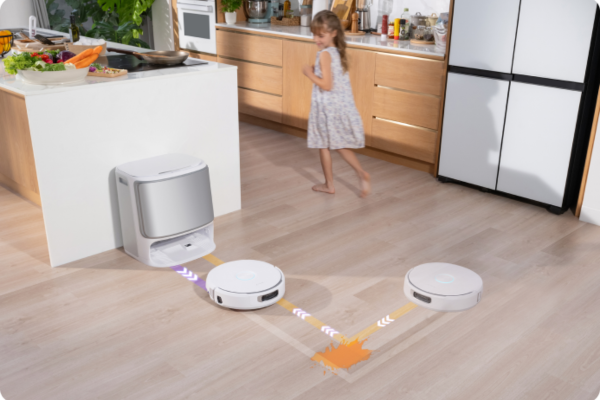
Modern robot vacuums no longer wander randomly. AI-driven mapping enables them to see, understand, and adapt like a human. Using RGB cameras, 3D LiDAR, and structured light sensors, top-tier robots such as the Narwal Freo Z Ultra and Narwal Flow can identify over 200 household objects with millimeter precision. They distinguish furniture legs from pet bowls, cables, or small toys, ensuring smooth cleaning without collisions.
These systems construct 3D multi-floor maps in minutes, planning efficient cleaning routes that reduce overlap and missed spots. AI path optimization also factors in room type, furniture layout, and user preferences stored in the companion app. The result is a robot that truly “learns” your home and cleans it smarter every time.
Example of 2026-level innovation:
- Dual RGB camera navigation with on-device AI processing (no cloud upload, protecting privacy).
- Millimeter-level obstacle avoidance down to 0.19 inches.
- Adaptive path planning that shortens cleaning time by up to 30 percent compared with earlier generations.
[cta:narwal-flow-robot-vacuum-mop]
Adaptive Cleaning Powered by Machine Learning
AI in 2026 robot vacuums is not just about movement—it’s about decision-making. Advanced machine-learning algorithms let the robot detect what kind of mess it faces and adjust suction, water flow, and brush speed automatically.
For instance, Narwal Freo Z Ultra and Freo Pro models use AI DirtSense technology to sense dirt concentration in real time. When they encounter heavy grime, they increase suction and scrubbing pressure; when the floor is clean, they reduce power to save energy. They can even differentiate between wet spills and dry debris—switching instantly between vacuuming and mopping modes.
Machine learning also drives self-optimization. Each cleaning session provides feedback data that the system uses to refine future routes and cleaning intensity. Over time, the robot becomes uniquely adapted to your home: it knows where pet hair accumulates, which rooms get dirtier, and how to clean them most efficiently.
Key AI features defining 2026 robot vacuums:
|
Function |
Capability Example |
User Benefit |
|---|---|---|
|
Dirt Recognition |
Detects and classifies dust, hair, and liquid messes |
More precise cleaning |
|
Adaptive Power Control |
Adjusts suction (8,000–22,000 Pa range) and mop pressure (7–12 N) |
Energy-efficient deep cleaning |
|
Learning Behavior |
Remembers room layouts and traffic patterns |
Personalized cleaning paths |
|
Self-Improvement Loop |
Updates cleaning logic after each run |
Continuous performance gains |
By combining powerful sensing hardware with evolving AI models, 2026 robot vacuums transform cleaning into an intelligent, fully automated routine. The technology that once only guided robots around obstacles now makes them proactive partners in home care—anticipating messes, adapting instantly, and delivering spotless floors with minimal effort.
In essence: AI has become the true core of smart cleaning—turning robot vacuums from mechanical helpers into learning systems that understand your home and keep it effortlessly clean.
[cta:narwal-freo-zultra-robot-vacuum-mop]
Hands-Free Cleaning: The Rise of Fully Autonomous Robot Vacuums
Hands-free cleaning is now a reality. In 2026, robot vacuums will manage the entire cleaning process—from washing and drying mop pads to emptying dustbins and refilling water—without user intervention. Once set, they operate independently, keeping floors clean with minimal oversight.
Self-Maintaining Systems: The Future of Automatic Cleaning Docks
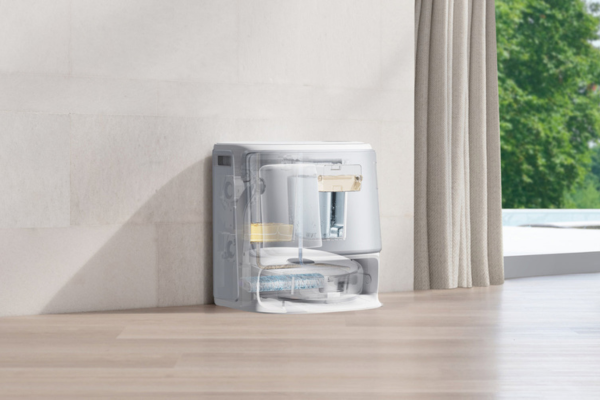
The most important innovation in 2026 is self-maintenance. Modern cleaning stations combine washing, drying, dust collection, and water management into one automated system. Mop pads are washed with hot water, dried with warm air, and kept odor-free. Dust is collected and compressed, and clean water is refilled automatically.
Systems like Narwal Freo Z Ultra and Narwal Flow already demonstrate this technology. Their AI-controlled water management and auto-drying systems prevent bacterial buildup, reducing maintenance frequency to once every few months.
|
Function |
2026 Capability |
User Benefit |
|---|---|---|
|
Mop Washing |
Hot water up to 60°C |
Removes stains and bacteria |
|
Auto Drying |
Smart hot-air cycle |
Prevents odor and mildew |
|
Dust Compression |
Automatic compaction |
Longer maintenance intervals |
|
Water Refill |
Dual-tank sensors |
Continuous cleaning |
These improvements make modern robots self-sufficient. “Hands-free” now means truly maintenance-free cleaning.
Beyond Automation: When Robots Take Care of Themselves
Next-generation robots extend autonomy to self-monitoring. Sensors track brush wear, motor load, and battery health, predicting when maintenance is needed. Narwal’s latest models already apply AI diagnostics to optimize performance and send proactive alerts.
Examples of 2026 autonomous features:
- Auto-adjusting mop pressure for different floor types.
- Predictive maintenance based on cleaning data.
- Over-the-air firmware updates that enhance cleaning logic.
This is the shift from $2 to $2: robots that think, adapt, and maintain themselves. The result is reliable, intelligent cleaning—without scheduling, supervision, or manual upkeep.
[cta:narwal-freo-z10-ultra-intelligent-in-mind-deep-in-clean]
AI Data Insights: How Robot Vacuums Optimize Cleaning Performance
Data is now at the center of smart cleaning. In 2026, robot vacuums use AI not only to clean but also to analyze, learn, and refine every action they take. Each cleaning session generates valuable performance data—maps, dirt density, cleaning duration, and missed spots—that the system uses to continuously improve. The result is a vacuum that gets smarter and more efficient with every run.
From Data to Action: Personalized Cleaning Suggestions
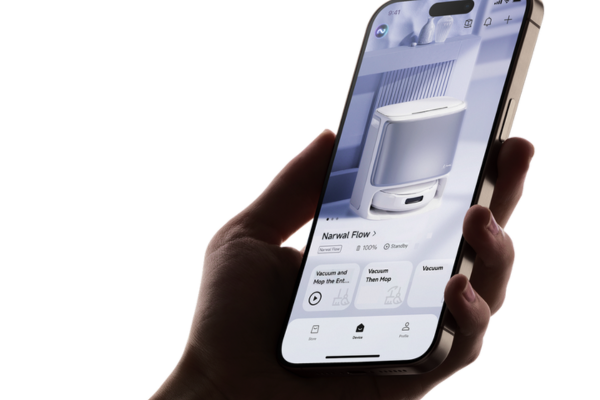
AI transforms cleaning data into practical insights. Modern systems, such as Narwal Freo X Plus, track suction performance, path efficiency, and dirt pickup rates to generate detailed cleaning reports. These reports do more than show where your robot has cleaned—they recommend how to clean better.
For instance, if a specific room consistently collects more debris, the system will propose a higher cleaning frequency or stronger suction level. If sensors detect overcleaning, it will suggest shorter cycles to save energy. The data becomes a feedback loop between the user and the machine, ensuring the robot’s schedule fits the home’s real needs.
Examples of actionable data insights:
|
Insight Type |
Example |
AI-Driven Action |
|---|---|---|
|
High dirt density |
Living room shows 40% more debris |
Increase suction and frequency |
|
Low cleaning efficiency |
Robot covers same zone twice |
Optimize mapping pattern |
|
Uneven floor condition |
Slippery tiles detected |
Reduce mop water flow |
|
Peak cleaning time |
Dirt accumulation after 6 PM |
Adjust automatic cleaning schedule |
By turning data into specific recommendations, robot vacuums shift from being reactive devices to proactive home assistants.
[cta:narwal-freo-x-plus-robot-vacuum-and-mop]
The AI Feedback Loop: How Robots Learn from Every Clean
Every cleaning cycle trains the robot’s algorithm. Using AI pattern recognition, the system analyzes performance history and refines its logic automatically. This process—known as the AI feedback loop—helps the robot adapt to changes in environment, furniture layout, and household routines.
For example, Narwal’s latest models analyze tens of thousands of sensor data points per session. Over time, they learn where dirt typically gathers, how often certain rooms need mopping, and even the most efficient cleaning path for each floor type. These insights are stored locally and updated via cloud-based learning, allowing the robot to improve without losing privacy or performance.
Core AI feedback capabilities in 2026 models:
- Continuous learning from cleaning reports and sensor logs
- Real-time adjustment of suction, speed, and mop pressure
- Predictive adaptation to seasonal or lifestyle changes
In short, AI-powered data analysis makes robot vacuums more than cleaning tools—they are self-improving systems. Each cleaning adds to their intelligence, helping them deliver faster, cleaner, and more personalized performance with minimal user effort.
Smart Home Integration: From Voice Control to Total Automation
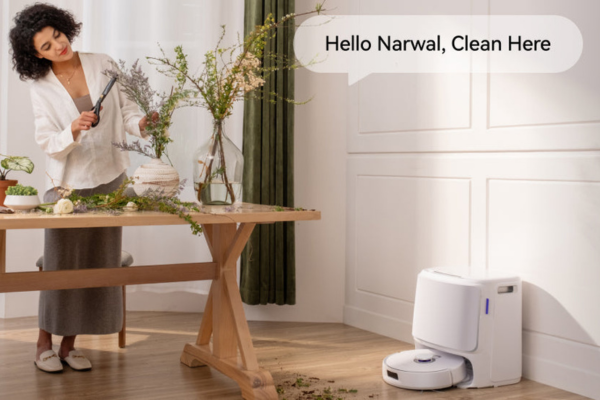
Smart home integration has evolved far beyond simple app control. In 2026, robot vacuums will become active members of connected home ecosystems—communicating with thermostats, lighting, air purifiers, and even security systems. Cleaning is now a coordinated process that happens automatically when your home environment changes, not just when you press “start.”
Matter Protocol and Unified Ecosystem Integration
The rollout of the Matter protocol has made device compatibility seamless. Robot vacuums that support Matter can now interact with multiple smart home brands in one ecosystem. Whether you use Alexa, Google Assistant, or Apple Home, a single command can synchronize your cleaning routine with other home functions.
For example, you can set a scene called “Leaving Home.” As you walk out the door, your lights turn off, the thermostat lowers, and your Narwal Flow or Freo Z Ultra begins cleaning. When you return, your floors are spotless and the air purifier has already removed dust stirred up during cleaning.
This integration also makes maintenance smarter. If the vacuum detects a full dustbin or low water tank, it can notify your voice assistant or send an update to your phone through the home hub—no separate app required.
Key benefits of Matter-based integration:
|
Function |
Integration Example |
User Benefit |
|---|---|---|
|
Unified control |
Voice or app automation through Alexa, Google, Siri |
One-touch or voice-activated cleaning |
|
Coordinated actions |
Syncs with thermostat, lighting, air purifiers |
Cleaning runs when you leave or sleep |
|
Cross-device alerts |
Vacuum sends notifications via home hub |
Simplified maintenance and monitoring |
Matter turns robot vacuums into reliable components of the household network—responsive, connected, and consistent across platforms.
Contextual Automation: Cleaning That Thinks for You
Automation in 2026 is no longer time-based—it’s context-aware. Instead of relying on fixed schedules, AI-equipped robot vacuums use environmental and behavioral data to decide when to clean.
A Narwal Freo X Plus, for example, can connect with air quality sensors and start cleaning when dust levels rise. If your home security system detects that you’ve left, the vacuum begins automatically and finishes before you return. When integrated with motion sensors, it can pause cleaning as soon as someone enters the room, resuming when the space is empty.
These intelligent triggers make cleaning invisible yet precise. The robot understands patterns, adjusts to your lifestyle, and keeps your home fresh without disrupting daily life.
Examples of contextual automation in 2026:
- Cleaning starts after everyone leaves the house.
- Mopping activates when humidity drops to safe levels.
- Suction increases when air sensors detect pet dander.
This level of integration transforms robot vacuums from stand-alone devices into adaptive systems that anticipate user needs. By 2026, “smart home cleaning” no longer means convenience—it means a fully automated environment that maintains itself, quietly and intelligently, in the background.
Affordable AI Cleaning: Making Smart Vacuums Accessible to Every Home
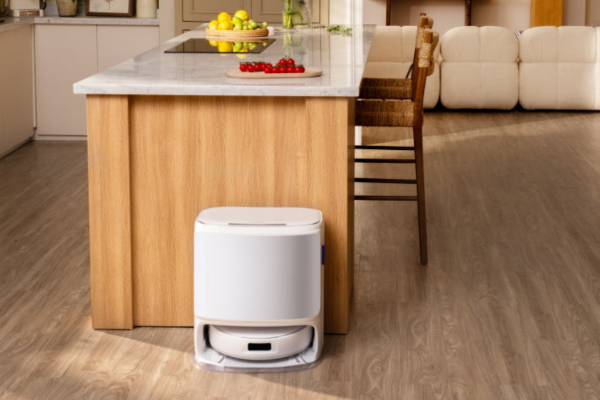
In 2026, advanced cleaning technology is no longer limited to premium models. AI-driven robot vacuums that once cost thousands now reach households at mid-range prices, without sacrificing intelligence or performance. The democratization of smart cleaning is redefining what it means to live conveniently and sustainably.
Eco-Friendly and Sustainable Design Trends
Affordability in 2026 is closely tied to sustainability. As production becomes more efficient, manufacturers now focus on creating robots that are both cost-effective and environmentally responsible. Many models—including the Narwal Freo Pro and Narwal S30—use recyclable materials, energy-efficient motors, and optimized water systems that reduce waste.
Modern cleaning algorithms also contribute to sustainability. By analyzing dirt concentration and adjusting water flow and suction only where needed, AI minimizes energy and resource use. This makes robot vacuums not only more affordable to buy but also cheaper to operate.
Key sustainability advancements in 2026:
|
Feature |
2026 Standard |
Benefit |
|---|---|---|
|
Recyclable materials |
60–80% of body made from recyclable polymers |
Lower environmental footprint |
|
Energy-efficient motors |
Reduced power draw during idle cycles |
Lower electricity cost |
|
Smart water control |
AI-regulated mopping system |
Less water and detergent use |
|
Longevity-focused design |
Modular parts and self-maintenance |
Extended product lifespan |
By combining cost efficiency with eco-awareness, 2026 robot vacuums balance price, performance, and planet-friendly design—making advanced cleaning accessible to more families.
[cta:narwal-s30-pro-wet-dry-vacuums]
Affordable Innovation: How Smart Cleaning Becomes Mainstream
AI technology once exclusive to flagship devices is now standard in mid-tier models. Smarter chips, local processing, and shared AI platforms have lowered development costs, allowing brands to offer advanced features—such as adaptive suction, object recognition, and self-cleaning docks—at a fraction of the former price.
Narwal’s Freo Pro exemplifies this shift. It integrates self-washing and drying technology with intelligent navigation, all within a mid-range price point. The Narwal S30 follows the same approach, offering AI mapping, real-time obstacle detection, and energy optimization while remaining accessible to first-time robot vacuum users.
This new balance between affordability and performance has turned smart cleaning into a household norm. Households that once hesitated to invest in automation now find it both practical and cost-effective.
The new standard of affordable smart cleaning includes:
- AI navigation and mapping as baseline features.
- Integrated self-cleaning docks in mid-range models.
- App-based optimization for energy and time efficiency.
- Maintenance intervals extended to months instead of weeks.
As prices continue to fall and features expand, robot vacuums are no longer a luxury—they are part of everyday living. Affordable AI cleaning represents a major milestone in home automation: intelligent, sustainable, and truly accessible to every home.
[cta:narwal-s30-wet-dry-vacuums]
FAQs
What is the best AI robot vacuum in 2026?
The Narwal Freo Z Ultra is widely recognized as the top AI robot vacuum in 2026. It leads the industry with its TwinAI Dodge Vision, which uses dual-camera sensors to identify and categorize over 120 types of household objects. Combined with AI DirtSense™ technology, it can actually "see" how dirty a floor is and decide if it needs a second or third pass automatically.
Do robot vacuums really "learn" your home layout?
Yes. Modern AI vacuums use SLAM (Simultaneous Localization and Mapping) and neural networks to build 3D maps. Unlike older models that just "save" a map, 2026 models refine them. They learn which rooms get dirty fastest (like the kitchen) and suggest optimal cleaning times based on your household's unique patterns.
Can robot vacuums clean walls or windows?
While most "robot vacuums" are floor-bound, 2026 has seen the rise of integrated ecosystem robots. While a single puck-shaped unit cannot climb a wall, brands are now releasing "companion" window robots that sync with your floor vacuum’s docking station. For floors, models like the Narwal series use "EdgeSwing" technology to get closer to wall edges than ever before.
Are AI-powered robot vacuums eco-friendly?
Many 2026 models are designed with sustainability at their core. Features like smart water management ensure only the necessary amount of water is used, while AI-optimized routing reduces battery strain and electricity consumption. Additionally, many flagship models now use modular parts that are easier to repair, reducing long-term electronic waste.
Is a self-cleaning dock worth it in 2026?
Absolutely. A self-cleaning dock is the difference between a "gadget" and a "utility." In 2026, these stations don't just empty dust; they wash mop pads with hot water, dry them with silent hot air to prevent mold, and even dispense cleaning solutions automatically. This reduces manual maintenance from a daily task to a once-a-month quick check.
What makes a 2026 robot vacuum different from older models?
The shift is from "automation" to "autonomy." Older models followed a pre-set path and got stuck on stray socks. 2026 models use Visual Language Models (VLM) to understand context. They can distinguish between a "solid" obstacle like a chair leg and a "dangerous" one like pet waste or a charging cable, adjusting their path in real-time without human help.
Is privacy a concern as robot vacuums become smarter?
Privacy is more relevant than ever. Leading 2026 models address this by using on-device AI processing. This means the images captured by the robot's cameras are analyzed locally on the vacuum's internal chip and are never uploaded to the cloud, ensuring your home's layout and images remain private.
How do autonomous robot vacuums reduce manual upkeep?
By automating the "dirty work." Beyond just vacuuming, they handle the mop-washing, dirty water disposal, and dust bagging. With high-capacity tanks and auto-drain kits that connect directly to your home's plumbing, some 2026 models can operate for up to 60 days without any human intervention.
Do fully autonomous robot vacuums still need any maintenance?
Yes, but it is minimal. Even the most advanced 2026 models require you to:
-
Replace the large dust bag every 2 months.
-
Clean the base station’s "cleaning tray" once a month.
-
Occasionally clear hair from the main brush (though "zero-tangle" brushes have made this rare).
What role does smart home integration play?
In 2026, robot vacuums are no longer standalone apps. They integrate with Matter 1.4 and Thread, allowing them to talk to your smart doorbell (to stop cleaning when someone is at the door) or your air purifier (to ramp up filtration while the vacuum is stirring up dust).
Future of Robot Vacuums: How Smart Cleaning Will Shape Daily Life
The future of home cleaning is moving toward total autonomy, quiet intelligence, and seamless living. By 2026 and beyond, robot vacuums will no longer be single-purpose machines—they will be connected, adaptive systems that understand spaces, habits, and even environmental changes. Cleaning will shift from a manual routine to an invisible service woven into daily life.
As robotics and AI evolve, cleaning devices will extend their capabilities beyond floors. Equipped with flexible mechanics and advanced vision systems, future models will recognize and clean vertical surfaces such as walls, glass, or windows. Using improved suction and grip technology, they may climb or reach surfaces once considered impossible for automated systems. These developments will redefine what a “clean home” means—encompassing not only floors but the entire living environment.
The next stage of evolution lies in connection and anticipation. Future robot vacuums will communicate with other household devices to maintain comfort and hygiene together. For example, when an air-quality sensor detects dust or pollen, the vacuum will activate automatically and coordinate with an air purifier. When the home’s occupancy sensors detect no movement, cleaning begins and completes before anyone returns. Cleaning will no longer depend on human scheduling—it will respond naturally to life patterns.
Beyond convenience, this transformation carries social and environmental value. Fully autonomous cleaning reduces physical workload for families and provides independence for older adults. Sustainable design—through recyclable materials, low-energy operation, and longer product lifecycles—will minimize waste while keeping homes cleaner than ever.
The future of smart cleaning is about harmony rather than control. Robot vacuums will blend into the rhythm of everyday life, maintaining homes quietly, efficiently, and responsibly. What began as a helpful appliance will evolve into an intelligent companion—one that understands, adapts, and supports a cleaner, more balanced way of living.

