
Robot vacuums and robot mops are both smart home cleaning devices — but they’re designed to tackle different types of messes. So which one should you choose? The answer depends on your floor types, cleaning habits, and expectations for convenience. This guide compares robot vacuums and robot mops across key areas to help you decide which suits your home best.
We’ll start by explaining what each device does and how they work. Then we’ll compare their cleaning performance and floor compatibility — including which surfaces they handle best. You’ll also learn how their design features differ, how much maintenance each requires, and the pros and cons of both. For those considering a 2-in-1 device, we’ll also look at vacuum-mop combos and whether they’re worth it — especially in Australian homes. Lastly, we highlight the Narwal Freo Z Ultra, a powerful hybrid that handles both dry and wet messes with ease.
By the end, you’ll have a clear picture of which robot cleaner is right for your needs.
What is a Robot Vacuum?
A robot vacuum is an automated tool used to clean floors by picking up dust, dirt, and other particles. It operates autonomously, using sensors to navigate around the room and avoid obstacles. The robot uses powerful suction to pull dirt into a dustbin. Robot vacuums are equipped with features like cliff sensors to avoid falling down stairs and smart mapping to help them clean efficiently. They’re designed primarily for vacuuming carpets, rugs, and hard floors.
What is a Robot Mop?
A robot mop offers both vacuuming and mopping capabilities in a single machine. It uses water or a cleaning solution to scrub floors while vacuuming up dirt and debris. Unlike a robot vacuum, which relies on suction, a robot mop employs a mop pad and water tank to clean surfaces. Certain models can sense dirt and automatically modify the cleaning power depending on how dirty the area is. Robot mops are specifically designed for hard floors like tiles, hardwood, and laminate.
Basic Functions: What Do These Machines Actually Do?
Let’s first explore the main functions of each robot cleaner before getting into the technical specifics.
- Robot Vacuums are designed to pick up dry debris using powerful suction. They pick up dust, dirt, crumbs, pet fur, and tiny debris from your floors. These devices usually have rotating brushes or rollers to dislodge debris from carpets or hard floors and suck it into a dustbin.
- Robot Mops, on the other hand, are focused on cleaning your floors with water, detergents, or other cleaning solutions. Their primary function is to tackle wet messes like spills, stains, or sticky substances that robot vacuums can't handle. These devices typically have a mop pad that dispenses water or cleaning solution as they move across the floor, leaving it spotless and gleaming.
Performance Comparison: Which One Cleans Better?
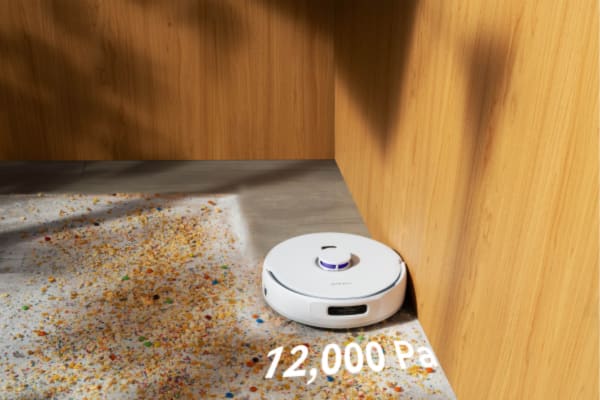
Robot vacuums and robot mops each excel in different cleaning scenarios. Here's a quick side-by-side breakdown to help you decide which best fits your home:
|
Feature |
Robot Vacuum |
Robot Mop |
|
Type of Cleaning |
Dry cleaning — dust, crumbs, pet hair | Wet cleaning — spills, stains, sticky messes |
|
Best Floor Types |
Carpet, hardwood, tile, rugs | Hard floors only — tile, vinyl, laminate, wood |
|
Strengths |
Powerful suction, great for everyday debris | Deep cleaning for wet messes, mops sticky dirt |
|
Weaknesses |
Can’t handle liquids or sticky stains | Not effective on dry debris like crumbs or fur |
|
Cleaning Speed |
Typically faster and more efficient | Slower, especially with scrubbing-intensive modes |
|
Noise Level |
Moderate, varies by suction power | Often quieter, especially in mop-only mode |
Surface Compatibility: Which Floors Do They Clean Best?
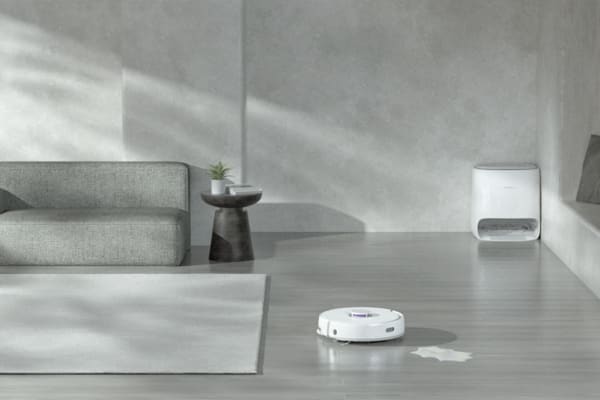
Understanding which floors each device is best suited for is crucial. Here’s a comparison to help you decide:
|
Floor Type |
Robot Vacuum |
Robot Mop |
|
Hardwood Floors |
Excellent, great for dust and dirt collection | Safe for sealed wood; some models adjust water output |
|
Carpets & Rugs |
Best for cleaning debris, dust, and pet hair from carpets | Not effective; can’t handle moisture on carpets |
|
Tile & Vinyl |
Works well, great for picking up dry debris | Ideal for cleaning sticky spills, stains, and grime |
|
Laminate |
Excellent suction power, works well on flat surfaces | Effective, but be cautious of water use; adjust moisture levels |
|
Marble or Stone |
Great for dirt and crumbs; sensitive to large debris | Ideal for maintaining cleanliness without damaging the surface |
If you live in an Australian home with open-plan living areas or timber flooring, robot vacuums can help manage the dust accumulation typical of these environments. Robot mops, however, are ideal for homes with tile or polished concrete floors, especially in the kitchen or bathroom areas where spills are common.
Cleaning Mechanism: How Do They Work?
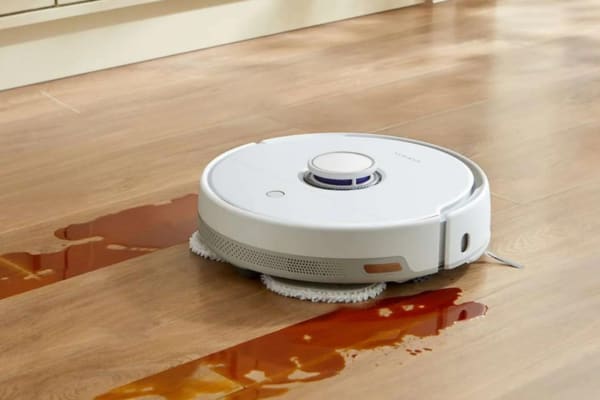
The way these two types of robots clean your home is very different, and understanding these mechanisms will help you choose the right one.
- Robot Vacuums use suction power combined with rotating brushes or rollers to collect dirt and debris. They are capable of cleaning different types of flooring, such as carpets, wood, and tiles. The vacuum works by creating airflow that pulls dirt into the dustbin, where it stays until you empty it. Some advanced models even offer automatic emptying features, which make the process easier.
- Robot Mops use a combination of mop pads and water (or cleaning solutions) to scrub the floor. As they move, the mop pads are moistened, and they wipe away dirt, sticky residues, and stains. The water tank in a robot mop supplies the moisture for cleaning, and in some models, there’s an automatic detergent dispenser that mixes the cleaning solution with water. Unlike robot vacuums, mops are usually intended only for hard floors like wood, tiles, or vinyl.
Design Features: What Makes Each One Unique?
Both robot vacuums and robot mops come with unique design elements that help enhance their cleaning abilities. Here’s how they differ:
|
Feature |
Robot Vacuum |
Robot Mop |
|
Dustbin |
Collects dirt and debris in a removable dustbin | Water tank and mop pads for wet cleaning |
|
Rotating Brushes |
Usually equipped with rotating side brushes and main rollers | Mop pads that rotate or move to scrub stains |
|
Sensors |
Advanced sensors for obstacle detection and navigation | Sensors for water flow control and edge cleaning |
|
Self-Cleaning Features |
Some models have self-emptying dustbins | Some come with self-washing mop pads |
|
Floor Detection |
Detects floor type and adjusts suction power accordingly | Detects dirt level and adjusts water usage or scrubbing power |
|
Size & Shape |
Compact design that fits under most furniture | Larger, may struggle with tight spaces |
Maintenance Requirements: How Much Effort Is Involved?
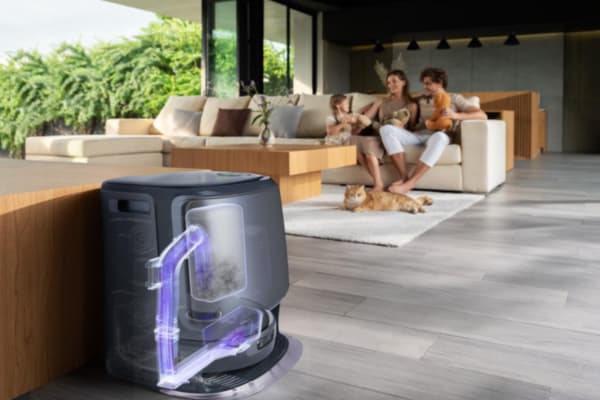
Maintenance requirements differ between robot vacuums and robot mops. Here's what you need to know:
|
Task |
Robot Vacuum |
Robot Mop |
|
Emptying the Dustbin |
Regular emptying required (usually once a week) | Refill water tank after each use, depending on the floor size |
|
Cleaning Brushes |
Brush and rollers may need cleaning to avoid hair tangling | Mop pads need regular washing, some have self-cleaning pads |
|
Replacing Filters |
Filters should be cleaned or replaced every few months | Rarely requires filter replacements |
|
Water Tank Cleaning |
Not applicable | Clean water tank occasionally to prevent bacteria growth |
|
Maintenance Frequency |
Low maintenance; requires periodic checks for brush tangling | Moderate maintenance, especially for mop pad cleaning |
|
Battery Care |
Keep battery charged, replace after a few years | Same as vacuums, ensure battery is charged and functioning |
Pros and Cons of Each Device
Here’s a breakdown of the key advantages and disadvantages of robot vacuums and robot mops, helping you decide which device suits your needs best:
| Feature | Robot Vacuum | Robot Mop |
|
Pros
|
- Excellent at picking up dry debris (dust, crumbs, pet hair) | - Effective at tackling wet messes (spills, stains, sticky residues) |
| - Works on various floor types (carpet, hardwood, tile) | - Great for deep cleaning hard floors | |
| - Fast and efficient for daily cleaning | - Leaves floors spotless with consistent mopping | |
| - Low maintenance (emptying dustbin and cleaning brushes) | - Ideal for homes with children or pets, especially in high-traffic areas | |
|
Cons
|
- Doesn’t handle wet messes or stains | - Not suitable for carpets or thick rugs |
| - Requires frequent emptying of dustbin | - Needs regular mop pad cleaning and water tank refills | |
| - Brushes can get tangled with pet hair | - Slower cleaning speed compared to vacuums | |
| - Can struggle with high-pile carpets or certain obstacles | - Limited to hard floors (not ideal for carpets) |
Robot Vacuum and Mop Combos: Are They Worth It?
Robot vacuum-mop combos offer the convenience of cleaning your floors with just one device. These hybrids allow you to vacuum and mop simultaneously, saving time and effort, especially in homes with limited space.
For many, the idea of having one device to vacuum and mop at the same time is incredibly appealing. It means less hassle and more efficiency. However, while these combos are convenient, they may not perform as well as specialized models in certain areas. For example, a robot vacuum-mop combo may not have the same suction power as a dedicated vacuum or the same wet cleaning capability as a robot mop.
Is It Worth It for Australian Homes?
For Australian homes, especially in urban areas where space is limited and homes are often designed with open-plan layouts, a vacuum-mop combo can be the perfect solution. If you're living in a smaller apartment or frequently dealing with spills and dust (common in coastal or high-traffic areas), a hybrid robot can keep your home clean without the hassle of multiple devices. However, if you need intense suction power for carpets or more thorough scrubbing for heavy messes, you might want to opt for a separate vacuum and mop instead.
Narwal Freo Z Ultra: The Hybrid That Delivers
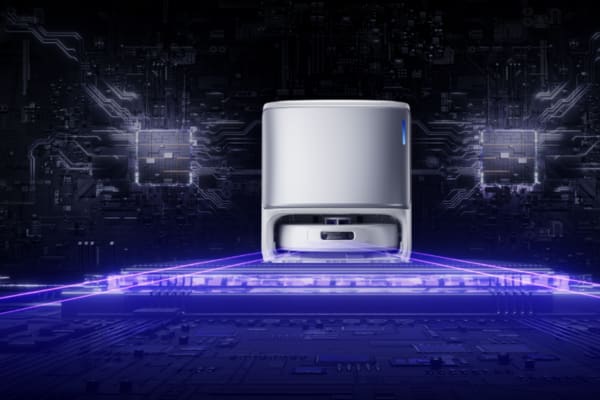
The Narwal Freo Z Ultra is a top choice among robot vacuum-mop hybrids. It doesn’t just combine vacuuming and mopping; it excels in both tasks. Here’s why:
[cta:narwal-freo-z-ultra-robotic-vacuum-and-mop-cleaner-clean-before-you-even-notice]
- Powerful Suction: With 12,000 Pa suction, the Freo Z Ultra can effectively pick up dirt, dust, and debris from carpets and hard floors.
- AI-Powered Navigation: Dual RGB cameras and onboard AI allow the robot to navigate your space intelligently, avoiding obstacles and mapping out the most efficient cleaning path.
- Self-Cleaning and Low Maintenance: The Freo Z Ultra features a self-cleaning system for the mop, ensuring you don’t have to manually wash the mop pads after every use. It also has a self-emptying dustbin, which can hold up to 120 days of dirt, reducing the need for frequent maintenance.
- Mop Mode: The robot’s dual spinning mops use a pressure system to clean hard floors efficiently, providing deep cleaning, especially for sticky or dried stains.
- Quiet Operation: Despite its powerful performance, the Freo Z Ultra operates at a quiet 53 dB, which is ideal for office or home environments where noise is a concern.
The Narwal Freo Z Ultra raises the bar for robot vacuum-mop hybrids. With strong suction, automatic cleaning features, and smart navigation, it stands out as a leading option for simplifying your cleaning tasks. If you want a versatile, low-maintenance device that delivers in both vacuuming and mopping, the Freo Z Ultra is definitely worth considering.
Conclusion
In conclusion, whether you need a robot vacuum or a robot mop depends on your cleaning priorities. If you’re looking for a device that handles both dry debris and wet messes with minimal effort, a robot vacuum-mop combo might be the ideal solution. However, if your home has a mix of different floor types or you encounter a lot of tough stains, you might want to opt for specialized devices, such as a dedicated robot vacuum or a robot mop, for more effective cleaning.
For many households, particularly those with limited storage or smaller spaces, the Narwal Freo Z Ultra, a hybrid vacuum-mop combo, is an excellent choice. It combines powerful suction and efficient mopping, making it a versatile option for cleaning both carpets and hard floors. Whether you’re cleaning up dust, crumbs, or sticky spills, this device makes the process simple and hands-free.
Ultimately, choosing the right device comes down to your specific needs. Consider factors like your home size, floor types, and the amount of maintenance you’re willing to perform. With the right robot cleaner, you can keep your home spotless with ease.
How often should I maintain my robot vacuum or mop?
Regular maintenance is essential to keep your device running efficiently. For robot vacuums, clean the dustbin regularly (once a week or as needed), and check for hair tangling around brushes monthly. For robot mops, clean the mop pads after each use, and ensure the water tank is emptied and refilled as needed.
Can robot vacuums and mops effectively clean up pet hair?
Yes, many models are designed to handle pet hair. Robot vacuums may need more frequent brush cleaning if you have pets with long hair. Robot mops, however, may struggle with excessive hair and may require manual cleaning of the mop pads more often.
Will a robot mop damage hardwood floors?
Most robot mops are safe for sealed hardwood floors, but always check the manufacturer’s guidelines. To avoid any potential damage, look for models that allow you to adjust the water levels to suit your flooring.
Do robot vacuums and mops work well in large homes?
Yes, but for large homes, you’ll need models with larger dustbins, longer battery life, and advanced mapping for efficient cleaning. The Narwal Freo Z Ultra, for example, is ideal for large spaces with its efficient navigation and powerful suction.
Are robot vacuums and mops compatible with carpets?
Robot vacuums are great for carpets, especially those with adjustable suction power. However, robot mops typically can’t clean carpets. If you have mixed floors (hardwood + carpet), consider a vacuum-mop combo like the Narwal Freo Z Ultra, which lifts the mop to avoid wetting the carpet.


