
Which Mop Gives You a Deeper Clean?
Wondering which mop actually gets your floors cleaner? Let's break down their performance in deep cleaning, stain removal, dust pickup, pet hair handling, and sanitization.
Deep Cleaning Ability – Steam Mop Wins
A steam mop is better for deep cleaning. The high heat of the steam loosens dirt and grime, making it great for tough cleaning jobs. It’s especially effective on sticky messes and in areas that need sanitizing, like kitchens and bathrooms.
Vacuum mops work better for light cleaning. They do a good job for regular maintenance, but they don’t provide the deep cleaning that steam mops do. If floors are very dirty, a steam mop is the better choice.

Dust and Debris Removal – Vacuum Mop Wins
For dust and debris removal, vacuum mops are more effective. The suction strength lets them collect dirt, dust, crumbs, and other debris. It’s perfect for homes with a lot of foot traffic or pets.
Steam mops are less effective for dust removal. While they can pick up some dust, they’re better suited for cleaning and sanitizing rather than removing dry debris. You might still need to vacuum first before using a steam mop.
Pet Hair Removal – Vacuum Mop Wins
For pet hair, vacuum mops are definitely the better choice. Their suction power pulls pet hair off floors, carpets, and furniture. For homes with pets, a vacuum mop helps you handle shedding.
Steam mops don’t have the ability to pick up pet hair. They focus on sanitizing and cleaning, but you’ll need to use a vacuum to remove the hair first.
If you would like to find the best robot vacuum for pet hair, you can click here.
Stain Removal – Steam Mop Wins
In terms of stain removal, steam mops are more effective. Steam heat removes tough stains like grease, coffee, or wine. It’s especially useful for cleaning hard surfaces like tile and stone.
Vacuum mops can handle light stains but won’t be as effective on tough, sticky stains. If you have hard-to-remove stains, a steam mop will be the better tool.

Sanitization and Hygiene – Steam Mop Wins
When it comes to sanitization, steam mops are the best choice. Steam's high heat destroys germs, bacteria, and allergens, making it ideal for homes with kids, pets, or allergies.
Vacuum mops clean the surface but don’t sanitize. They remove dirt and dust, but they don’t offer the same level of disinfection that a steam mop provides. If hygiene is a priority, you’ll want to choose a steam mop.
Here is a concise table for cleaning effectiveness comparison.
|
Aspect |
Steam Mop |
Vacuum Mop |
| Deep Cleaning | Wins | Light cleaning |
| Dust Removal | Less effective | Wins |
| Pet Hair Removal | Not effective | Wins |
| Stain Removal | Wins | Light stains |
| Sanitization | Wins | No sanitization |
Ease of Use: Steam or Vacuum Mop?
Choosing between a steam mop and a vacuum mop depends a lot on how easy each one is to use. Let’s compare them based on ease of use, setup and preparation, and mobility.
Ease of Use – Vacuum Mop Wins
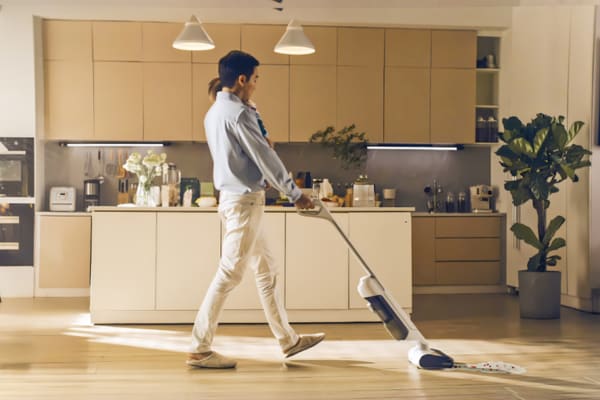
Steam mops are easy to use, but they need time to heat up before you can start cleaning. You also need to adjust the steam level for different floors. They work fine, but they're a bit heavy, especially with a full water tank.
Vacuum mops are simple to use. You don’t need to wait for them to heat up, and they’re light and simple to move around. They're good for quick clean-ups, but not as deep as steam mops.
Setup and Preparation – Vacuum Mop Wins
Steam mops take a little longer to get ready. You need to fill the water tank and wait for it to heat up before you can clean. You might also need to refill the water tank if you're cleaning a big area.
Vacuum mops set up fast. Fill the tank, turn it on, and clean. No heat-up wait, ideal for quick cleaning.
Mobility and Maneuverability – Vacuum Mop Wins
Steam mops can be a bit heavy, especially the ones with bigger water tanks. They're fine for big areas but tough in tight spots.
Vacuum mops are lighter and easier to move around. They work well in small spaces and are easy to carry from room to room.

|
Aspect |
Steam Mop |
Vacuum Mop |
| Ease of Use | Takes time to heat up | Quick to use |
| Setup | Takes longer | Quick setup |
| Mobility | Heavier | Lighter |
Best Mop for Hardwood, Tile, and More
Both steam mops and vacuum mops perform differently depending on the type of floor. Let’s take a closer look at how steam mops and vacuum mops work on common floor surfaces, including hardwood, tile, vinyl, carpet, laminate, and concrete.
Hardwood Floors – Vacuum Mop Wins
Steam mops work on sealed hardwood floors but need careful use. The heat from the steam can damage unsealed wood, so it’s important to use the lowest steam setting to avoid excess moisture. Steam mops are great for deep cleaning and sanitizing hardwood, making them perfect for kitchens and living areas with high foot traffic.
Vacuum mops are safe for hardwood floors and excellent for removing dust, dirt, and small debris. They are ideal for regular cleaning but don't offer the deep cleaning or sanitization of a steam mop.
Related Reading: best robot vacuum for hardwood floors

Tile Floors – Steam Mop Wins
Steam mops are perfect for tile floors, especially when it comes to cleaning grout and removing stubborn stains. The high-temperature steam helps break down dirt and germs, leaving your tiles not only clean but sanitized as well. They're perfect for bathrooms and kitchens.
Vacuum mops work well for daily cleaning and removing dirt from tile floors. However, they don’t sanitize or clean grout as effectively as steam mops. They’re better suited for quick clean-ups, but lack the deep-cleaning power of steam.
Related Reading: best robot vacuum for tile floors
Vinyl Floors – Steam Mop Wins
Steam mops work well on vinyl floors, but you need to be cautious. Excessive steam can damage the vinyl, so it's best to use the lowest setting and avoid over-saturating the surface. Steam mops do a good job of cleaning and sanitizing vinyl floors, especially in high-traffic areas.
Vacuum mops are ideal for regular cleaning of vinyl floors, effectively removing dirt, dust, and debris. However, unlike steam mops, they don’t offer the same level of sanitization, so they are better for light maintenance cleaning rather than deep cleaning.
If you would like to know how to clean the vinyl floor, you can click here.
Carpet – Vacuum Mop Wins
Steam mops are not suitable for carpets. The steam can damage carpet fibers, and they are not designed for fabric. For carpets, it’s best to use a traditional vacuum cleaner or a carpet-specific cleaner.
Vacuum mops may work on low-pile carpets, but they’re not as effective as traditional vacuums. They can pick up light debris and dust but won’t provide deep cleaning or remove embedded dirt and pet hair. A regular vacuum cleaner is far better for cleaning carpets.
Related Reading: best robot vacuum for carpet
Laminate Floors – Vacuum Mop Wins
Steam mops should not be used on laminate floors. Steam's heat and moisture may warp or peel the laminate. For laminate floors, it’s better to use a dry mop or a vacuum to pick up dust and debris.
Vacuum mops are safe for laminate floors and great for regular cleaning. They are perfect for picking up dust, dirt, and pet hair but don’t provide the deep cleaning or sanitizing benefits of a steam mop.
Related Reading: How to keep your laminate floor spotless
Concrete Floors – Steam Mop Wins
Steam mops are highly effective on concrete floors, especially in areas like basements or garages where dirt and stains are common. The steam cleans and sanitizes the surface, making it ideal for spaces with heavy dirt build-up.
Vacuum mops are also good for cleaning concrete floors, as they pick up dirt, dust, and debris efficiently. However, they don’t offer the same level of sanitization or deep cleaning that steam mops do.
Here is a brief table for cleaning performance on different floors.
|
Surface |
Steam Mop |
Vacuum Mop |
| Hardwood | Deep clean | Regular clean |
| Tile | Best for grout | Light cleaning |
| Vinyl | Cautious use | Regular clean |
| Carpet | Not suitable | Light cleaning |
| Laminate | Not suitable | Regular clean |
| Concrete | Deep clean | Regular clean |
Maintenance and Long-Term Cost: What to Expect
When deciding between a steam mop and a vacuum mop, consider their maintenance needs, cost, and how long they last. Here’s a breakdown of each mop’s upkeep and costs:
Maintenance Requirements – Vacuum Mop Wins
Steam mops require more maintenance. After using, clean the water tank and mop head. If there's a filter, it might need changing. The microfiber cloths also need regular washing.
Vacuum mops are easier to maintain. You just need to empty the dustbin and clean or replace the mop pads and filters. They need less care than steam mops, so they're more convenient for regular cleaning.
Cost of Ownership – Vacuum Mop Wins
Steam mops are usually more expensive to buy upfront, with additional costs for replacement pads, filters, and other accessories over time. However, for deep cleaning and sanitizing, many people find this cost worthwhile.
Vacuum mops usually cost less upfront. While you’ll still need to replace pads and filters occasionally, their ongoing costs are usually lower than that of steam mops. But over time, costs can rise, especially with regular use.
Longevity – Vacuum Mop Wins
Steam mops are durable but may wear out faster with frequent use, especially if you often fill and empty the water tank. Proper maintenance, like cleaning the tank and replacing filters, can extend their life.
Vacuum mops tend to last longer, as they don’t rely on steam. They handle daily use well, and with regular care (emptying the dustbin and replacing filters), they can last for many years.
|
Aspect |
Steam Mop |
Vacuum Mop |
| Maintenance | More effort needed | Easier upkeep |
| Cost | Higher over time | Lower overall |
| Longevity | Wears faster | Lasts longer |
Which One Uses Less Water and Power?
When choosing between a steam mop and a vacuum mop, it’s important to consider how much energy and water they use. Let’s compare energy efficiency, water usage, and environmental impact for both mops.
Energy Efficiency – Vacuum Mop Wins
Steam mops use more energy than vacuum mops. They need electricity to heat water and produce steam, which uses more power. While steam mops offer deep cleaning and sanitizing, their higher energy usage can add up, especially with frequent use.
Vacuum mops, on the other hand, use less energy because they don’t require heating water. They rely on suction to clean, making them more energy-efficient, especially for regular, light cleaning.
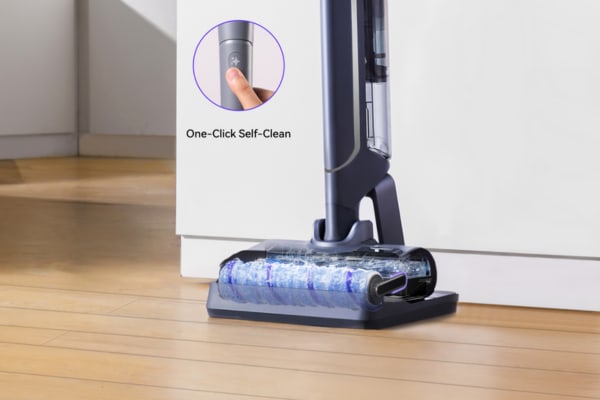
Water Usage – Vacuum Mop Wins
Steam mops use water to generate steam. While they are fairly efficient, they require refilling the water tank during longer cleaning sessions. However, they don’t waste water with rinsing or wet mopping, making them more water-efficient than traditional mopping methods.
Vacuum mops use less water overall. They are designed to use just enough water to clean the floor without excessive moisture. While the water tank still needs to be refilled during extended cleaning sessions, vacuum mops tend to use less water than steam mops.
Environmental Impact – Vacuum Mop Wins
Steam mops have a higher environmental impact due to their increased energy use. However, they're eco-friendly with chemicals. They clean without harsh ones, making them safer for home and environment.
Vacuum mops are more eco-friendly because they use less energy and water. They also require fewer chemicals, which reduces their overall environmental footprint. However, regular replacement of accessories like pads and filters still adds to their environmental impact.
|
Aspect |
Steam Mop |
Vacuum Mop |
| Energy Use | Higher | Lower |
| Water Use | More | Less |
| Eco Impact | No chemicals, more power | Lower power, fewer chemicals |
Can a Vacuum Mop Take the Place of a Traditional Vacuum?
No, a vacuum mop cannot fully replace a traditional vacuum cleaner. It works well on hard floors and light debris, but it’s not effective on carpets or larger debris.
Steam Mop vs. Spin Mop: What Sets Them Apart?
Yeah, there's a difference. A steam mop uses steam for deep cleaning and sanitizing, while a spin mop relies on water and manual wringing for cleaning. Steam mops sanitize, while spin mops are better for general cleaning without sanitizing.
Quick Comparison: Pros and Cons of Each Mop
Now, let's compare the pros and cons of each tool. We'll look at key factors like cleaning power, ease of use, and maintenance to help you choose the right one for your home.
|
Aspect |
Steam Mop |
Vacuum Mop |
| Cleaning Power | Great for deep cleaning and sanitizing. | Good for regular maintenance clean-ups. |
| Pet Hair Removal | Not effective at picking up pet hair. | Excellent for picking up pet hair. |
| Stain Removal | Effective for tough stains. | Works for light stains. |
| Ease of Use | It can be heavy and takes time to heat up. | Lightweight and easy to use. |
| Water Usage | Requires frequent refilling. | Uses less water, fewer refills. |
| Energy Consumption | Uses more energy due to steam heating. | More energy-efficient, uses suction. |
| Surface Compatibility | Best for hard, sealed floors. | Works on multiple surfaces. |
| Maintenance | Needs regular cleaning of the water tank. | Easy maintenance, just empty the dustbin. |
| Noise Level | Generally quiet. | It can be louder due to suction power. |
| Cost | Generally, more expensive. | More affordable overall. |
How Steam and Vacuum Mops Work Differently
Steam mops use heated water to produce steam that loosens dirt and kills germs. They clean without chemicals, making them great for sanitizing sealed hard floors like tile or vinyl. Some models offer adjustable steam levels, and most require regular refilling of the water tank.
Vacuum mops combine suction and mopping in one device. They first vacuum up dust and debris, then mop the floor using water or a cleaning solution. They're ideal for cleaning both dry and wet messes quickly, especially in homes with pets or kids.
Choosing the Right Mop for Aussie Homes
Australian homes often feature sealed hardwood, tile, or vinyl floors — all of which require careful cleaning. In humid regions like Brisbane or Sydney, steam mops are ideal for sanitizing floors and preventing mould or bacteria build-up, especially in bathrooms and kitchens.
On the other hand, homes with pets, sandy outdoor areas, or frequent foot traffic (common in many Aussie households) may benefit more from a vacuum mop. The suction feature makes it easier to pick up pet hair, dust, and debris without spreading moisture.
If you're dealing with a mix of mess types — from muddy paw prints to spilled juice — a smart vacuum mop like the Narwal Freo X Ultra offers strong suction, mop extension to clean edges, and hands-free self-cleaning, making it perfect for busy households.
Final Verdict: Which Mop Fits Your Home Best?
Choosing the right mop depends on your cleaning needs. If deep cleaning and sanitization are a priority, a steam mop is ideal for tough stains and hard surfaces like tile and vinyl.
If you want something quick and efficient for everyday cleaning, a vacuum mop is the better choice. It’s perfect for regular maintenance on hardwood, tile, or vinyl floors.
Consider what matters most for your home, whether it’s powerful cleaning or daily convenience, and choose the mop that fits your lifestyle.
Which option is better for everyday cleaning rather than occasional deep cleaning?
A vacuum mop is usually better for everyday use because it handles dust, crumbs, and light messes quickly without the extra setup that steam cleaning requires. It fits better into a routine where floors are cleaned often rather than heavily soiled between sessions.
Is a steam mop enough on its own for a busy family home?
Not always. A steam mop can be excellent for sanitizing and deep cleaning hard floors, but it does not replace the need to remove dry debris first. In busy homes, many people still need a separate vacuuming step before steaming.
What matters more: sanitization or debris pickup?
That depends on the household. Homes with kids, pets, or bathroom and kitchen cleaning priorities may care more about sanitization, while homes dealing with daily dust, crumbs, and hair may value strong debris pickup more.
Are vacuum mops safer for delicate floors?
In many cases, yes. Vacuum mops are generally safer for surfaces like hardwood or laminate because they avoid the high heat and moisture that can create problems on more sensitive flooring.
Why do steam mops need more caution on some floors?
Steam introduces heat and moisture, which can affect certain finishes or materials if used too aggressively. Floors like unsealed wood, laminate, or moisture-sensitive vinyl may not tolerate that combination well.
Is one option clearly better for pet owners?
For pet hair and everyday shedding, vacuum mops are usually the better fit because they can actually collect dry debris. Steam mops may help with hygiene later, but they are not designed to remove loose hair on their own.
Can a vacuum mop replace a regular vacuum cleaner?
Sometimes for light maintenance, but not always for deep carpet cleaning or heavy debris. Vacuum mops are often most effective as a convenient daily tool rather than a full replacement for every floor-cleaning task.
What kind of home benefits most from a steam mop?
Homes with lots of tile, kitchens, bathrooms, sticky spills, or strong hygiene priorities tend to benefit most. Steam mops are especially useful where deep cleaning and sanitization matter more than fast dry debris pickup.
What should buyers compare first when choosing between steam and vacuum mops?
They should first compare floor type, cleaning habits, pet hair needs, tolerance for setup time, and whether they want fast daily maintenance or stronger sanitizing power. Those factors usually matter more than brand or accessory details.

