
Tired of cleaning but never feeling caught up? Studies show the average household spends 6+ hours a week on cleaning, yet most still miss key spots.
This guide solves that. You’ll see why every home needs a cleaning checklist, what to include daily, weekly, monthly, and seasonally, and the difference between regular and deep cleaning. We’ll cover room-by-room checklists, move-in prep, smart device support, and FAQs so nothing gets overlooked. From printable templates to advanced tools like Narwal smart vacuums and mops, you’ll learn how to save time, cut stress, and keep your home consistently fresh.
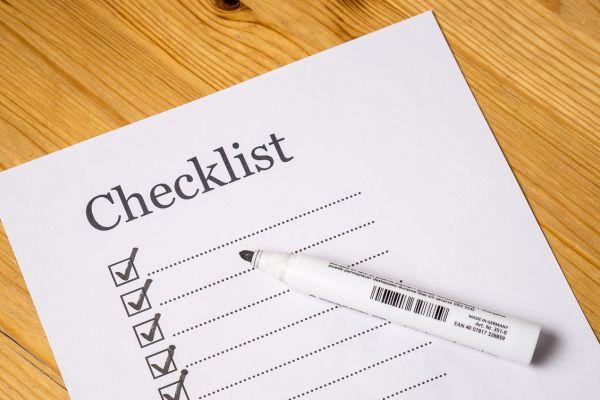
Why Does Every Home Need a Cleaning Checklist?
A cleaning checklist is essential because it removes guesswork and keeps every task organized. Instead of wondering what to clean next, you have a clear path that saves time and prevents mistakes.
Without a checklist, it’s easy to skip hidden areas or repeat the same tasks while ignoring others. This leads to wasted effort and a home that never feels fully clean. A checklist turns random chores into a simple system you can follow without stress.
The real value is consistency. With a structured list, you can break big jobs into small steps, spread them across daily or weekly routines, and avoid the overwhelm of deep cleaning all at once. The result is a home that stays clean, fresh, and manageable—even on your busiest days.

What Daily, Weekly, Monthly, and Seasonal Cleaning Checklists Should Include?
Keeping a home consistently clean isn’t about working harder—it’s about following the right structure. Breaking tasks into daily, weekly, monthly, and seasonal checklists helps you focus on what matters most at the right time. This way, nothing gets overlooked, and cleaning feels less overwhelming. Below, you’ll find practical checklists you can use immediately, covering both routine upkeep and deep-cleaning essentials.
A. Frequency Master Checklist
Frequency |
Tasks Checklist |
|---|---|
Daily |
☐ Wipe kitchen counters and dining table ☐ Wash dishes or run dishwasher ☐ Sweep or quick vacuum high-traffic floors ☐ Disinfect high-touch surfaces (handles, switches, remotes) ☐ Tidy living areas and reset surfaces ☐ Spot clean spills immediately ☐ Empty trash in the kitchen and bathrooms ☐ Quick wipe of bathroom sink and faucet |
Weekly |
☐ Dust furniture and shelves ☐ Mop all hard floors ☐ Scrub and disinfect toilets, sinks, showers, tubs ☐ Clean mirrors and glass ☐ Change bed linens and wash towels ☐ Do laundry and fold ☐ Wipe kitchen cabinet fronts and appliance exteriors ☐ Run dishwasher cleaning cycle ☐ Vacuum upholstery and under cushions |
Monthly |
☐ Clean inside the microwave, dishwasher, and washing machine ☐ Degrease range hood filters ☐ Wipe ceiling fans and light fixtures ☐ Vacuum baseboards, vents, and behind furniture ☐ Spot clean walls and doors ☐ Wash interior windows ☐ Treat mold-prone bathroom/laundry areas ☐ Declutter hotspots like the pantry or entry bench |
Seasonal |
☐ Deep clean carpets or rugs (steam if possible) ☐ Wash or dry clean curtains and comforters ☐ Rotate and vacuum mattresses ☐ Clean behind and under large appliances ☐ Wash exterior windows and entry mats ☐ Replace or clean HVAC filters ☐ Scrub and reseal grout if needed ☐ Declutter closets and donate unused items ☐ Check safety items (smoke detectors, filters) |
B. Room-by-Room Cleaning Checklists
Room |
Key Tasks Checklist |
|---|---|
Kitchen |
☐ Clear and sanitize counters ☐ Clean sink and drain ☐ Wipe cabinet doors and handles ☐ Degrease stove and backsplash ☐ Clean the microwave inside ☐ Organize fridge, toss expired food ☐ Sweep and mop the floor ☐ Disinfect the trash can |
Bathroom |
☐ Scrub toilet bowl, seat, hinges ☐ Descale shower walls, tub, and glass ☐ Scrub grout lines ☐ Sanitize sink and vanity top ☐ Polish mirror ☐ Wipe light switches and handles ☐ Wash bath mats and towels ☐ Mop and dry floor edges |
Bedroom |
☐ Make beds daily ☐ Change linens weekly ☐ Dust lamps, headboards, and dressers ☐ Vacuum under the bed ☐ Declutter dresser tops ☐ Rotate mattress each season |
Living/Dining |
☐ Tidy surfaces and media area ☐ Dust shelves, décor, and light fixtures ☐ Vacuum sofa and under cushions ☐ Clean glass and TV screen ☐ Sweep/vacuum then mop floors |
Entry/Hallway |
☐ Shake and wash mats ☐ Organize shoes and coats ☐ Wipe doors and handles ☐ Dust baseboards and vents ☐ Sweep and mop floors |
Laundry Room |
☐ Run washer cleaning cycle ☐ Wipe washer door seals and detergent drawer ☐ Empty dryer lint trap and vent path ☐ Mop floor ☐ Organize detergents and tools |
Home Office |
☐ Dust desk, monitor, and keyboard ☐ Sanitize mouse and phone ☐ Declutter papers and cables ☐ Vacuum under desk |
Kids’ Playroom |
☐ Rotate toys in/out of bins ☐ Disinfect hard toys ☐ Launder soft toys ☐ Wipe shelves and bins ☐ Vacuum floor and corners |
Pet Areas |
☐ Wash bowls and mats ☐ Launder bedding weekly ☐ Vacuum fur traps at baseboards and furniture ☐ Deodorize with baking soda, then vacuum ☐ Deep clean litter or potty zones |
C. Supplies and Tools Checklist
Category |
Essentials |
|---|---|
Cloths & Tools |
☐ Microfiber cloths ☐ Mop (spray or bucket) ☐ Vacuum with HEPA filter ☐ Extendable duster ☐ Grout brush ☐ Scrub sponges ☐ Squeegee ☐ Lint roller ☐ Step stool |
Cleaners |
☐ All-purpose cleaner ☐ Dish soap ☐ Disinfectant for high-touch points ☐ Streak-free glass cleaner ☐ Kitchen degreaser ☐ Bathroom descaler ☐ Wood-safe cleaner |
Eco-Friendly Options |
☐ Baking soda ☐ White vinegar ☐ Lemon juice ☐ Castile soap |
Consumables |
☐ Trash bags ☐ Paper towels or reusable cloths ☐ Laundry detergent ☐ Rubber gloves ☐ Replacement filters |
Floor Care |
☐ Robot vacuum or stick vacuum ☐ Microfiber mop ☐ Spot carpet cleaner |
D. Adaptation for Special Needs
Household Type |
Adjusted Checklist |
|---|---|
Allergy-Prone |
☐ HEPA vacuum bedrooms and living areas 3x per week ☐ Hot wash bedding weekly ☐ Dust fans, vents, and curtains more often ☐ Use fragrance-free cleaners |
Pet Owners |
☐ Daily vacuum of high-traffic zones ☐ Weekly wash of pet bedding ☐ Use enzyme cleaner for accidents ☐ Brush along baseboards for fur |
Seniors / Limited Mobility |
☐ Use lightweight, long-handle tools ☐ Break tasks into 10–15 min sessions ☐ Keep pathways clear ☐ Use automated floor cleaners to reduce strain |
Homes With Infants |
☐ Disinfect changing areas daily ☐ Sanitize high-touch toys weekly ☐ Store chemicals locked and out of reach ☐ Use mild, non-toxic cleaners in nursery |
Daily vs Weekly Cleaning Checklist: Which Works Better?
Short answer: neither wins alone. A hybrid saves more time and keeps results consistent.
Daily checklist works when you need constant order.
Small tasks done often stop buildup. Clear counters. Wipe sinks. Quick vacuum where crumbs land. You spend little each day, but your space always looks ready. The trade off is daily discipline. Skip a day and you feel it.
Weekly checklist suits batch workers.
You block a larger window once a week and push through bigger chores in one go. Floors, bathrooms, dusting, linens. Fewer context switches. The downside is midweek mess and a heavier session if clutter accumulates.
Quick decision test
- Do you have kids, pets, or allergies? If yes, lean daily.
- Is your schedule predictable one day a week? If yes, lean weekly.
- Do messes distract your focus fast? If yes, combine both.
The hybrid that most homes use: Keep a ten to fifteen minute Daily Reset. Clear surfaces. Spot wipe kitchen and bath. High touch points only. Run a quick floor pass in traffic zones. Run a sixty to ninety minute Weekly Block. Full bathroom clean. Mop all hard floors. Dust room by room. Change sheets and towels. Empty and reset bins. Result: your home stays presentable every day, and the weekly block is lighter because buildup never wins.
Make floors effortless
Floors drive most visual mess. Automate them. A system like Narwal Flow vacuums and mops on schedule, keeping crumbs and fine dust down so your weekly block shrinks and your daily reset stays truly short.
What Is the Correct Room-by-Room Cleaning Checklist Order?
The correct room-by-room cleaning order starts with shared spaces and ends with personal rooms. This approach saves time, prevents dirt from spreading, and makes your home look instantly tidier.
Here’s the recommended sequence:
Cleaning Order |
Why It Works |
|---|---|
Living Room / Common Areas |
First impression for guests and most cluttered daily. |
Often the messiest space, prevents food residue from spreading. |
|
Needs disinfection after shared spaces are done. |
|
Bedrooms |
Usually less urgent, best handled later. |
Entryway / Utility Rooms |
Finish with areas that collect dust and dirt from outside. |
Inside each room, follow three golden rules:
- Top to bottom: dust fans, shelves, and counters before floors.
- Inside to outside: start at the farthest corner and move toward the exit.
- Dry to wet: dust and vacuum before mopping or scrubbing.
This order ensures you don’t redo tasks, keeps cleaning efficient, and leaves your home looking fresh in less time.
Deep Cleaning Checklist vs Regular Cleaning Checklist: Key Differences
A deep cleaning checklist is very different from a regular cleaning checklist because the goals and frequency are not the same. Regular cleaning keeps your home looking neat day to day, while deep cleaning targets hidden dirt, allergens, and buildup that routine chores miss.
Aspect |
Regular Cleaning Checklist |
Deep Cleaning Checklist |
|---|---|---|
Goal |
Maintain surface-level tidiness and hygiene |
Eliminate buildup, stains, and hidden dust |
Frequency |
Daily or weekly |
Monthly or seasonally |
Scope |
Wiping counters, vacuuming floors, sanitizing bathrooms |
Cleaning under furniture, scrubbing grout, washing windows, shampooing carpets |
Time Needed |
15–60 minutes |
Several hours or a full day |
Tools |
Microfiber cloth, vacuum, all-purpose cleaner |
Steam cleaner, specialty brushes, carpet shampooer |
Think of it this way: regular cleaning keeps the house presentable, deep cleaning restores it. You need both. Stick to light daily or weekly tasks to control mess, and schedule a deeper round each month or season to maintain a healthy and long-lasting environment.
Move-In Cleaning Checklist: What to Clean Before Settling In?
Moving into a new home feels exciting, but it also means you’re stepping into spaces where previous owners left behind dust, stains, or hidden grime. A move-in cleaning checklist ensures every corner is fresh and ready before you unpack. By working room by room, you can settle in with confidence knowing your home is safe, hygienic, and welcoming.
Here’s a practical checklist you can follow or print out. Simply tick off each task as you go.
Area |
Checklist Items |
|---|---|
Kitchen |
Scrub sink and faucet; disinfect countertops; clean inside and outside of cabinets; sanitize fridge and freezer; wipe stove, oven, and microwave; clean dishwasher filter |
Bathroom |
Disinfect toilet and flush handle; scrub shower, tub, and tiles; clean grout lines; wipe mirrors; sanitize sink and faucet; replace shower curtain or liner |
Floors |
Vacuum carpets with HEPA filter; mop hardwood, laminate, or tile floors; clean and wipe baseboards; check under rugs for dust or stains |
Walls & Windows |
Wipe walls with mild cleaner; disinfect light switches and door handles; clean windows inside and out; dust blinds and window sills |
Bedrooms & Living Areas |
Dust ceiling fans and light fixtures; wipe down closets and shelves; sanitize doorknobs; clean under and behind furniture if already in place |
Hidden Spots |
Clean under sinks; wipe behind appliances; vacuum air vents; check corners for cobwebs or pests |
Extra Fresh Start |
Change HVAC filters; wash or replace curtains; deodorize carpets with baking soda; air out rooms before settling in |
Tip: Always finish this checklist before moving in furniture. It saves time and prevents heavy lifting later.
Which Spots Are Often Missed in a Cleaning Checklist?
Even the best cleaning checklist can leave out important spots. These overlooked areas collect dust, germs, and hidden dirt that affect the freshness of your home.
Here are the most common missed places you should always add to your checklist:
-
Light switches and door handles: High-touch points that spread bacteria if not wiped regularly.
-
Baseboards and trim: Dust builds up quickly, especially near floors.
-
Behind and under furniture: Hard-to-reach areas trap pet hair and crumbs.
-
Ceiling fans and light fixtures: Dust falls back into the room if ignored.
-
Vents and air filters: Clogged vents lower air quality and circulate dust.
-
Shower grout and corners: Mold and mildew thrive here without regular scrubbing.
-
Closet shelves and tops of cabinets: Out of sight, but dusty and often forgotten.
- Remote controls and electronics: Germ hotspots that need frequent disinfection.
Adding these spots to your cleaning checklist ensures a complete clean. It also reduces allergens, keeps the air fresh, and makes your home look and feel healthier.
How Can Busy People Stick to a Cleaning Checklist Without Stress?
You don’t need hours to keep your home clean. The key is to break tasks into small, repeatable steps and automate what you can. A good checklist should work with your schedule, not against it.
Here’s a simple routine you can follow right away:
Daily (5–10 minutes)
- Wipe kitchen counters after meals
- Put clutter into one basket
- Quick vacuum or mop for high-traffic areas
Weekly (20–30 minutes)
- Scrub bathroom sink and toilet
- Wash bedding and towels
- Dust shelves and wipe light switches
Automated Help: Use a smart cleaning device like Narwal Flow to vacuum and mop automatically. Its real-time self-cleaning system means your floors stay fresh without spreading dirt, and its carpet technology handles what traditional vacuums miss.
By letting automation handle repetitive floor cleaning, your personal checklist shrinks to only the tasks that truly need your attention. That’s how you keep your home clean with less stress and more consistency.

Are Printable Cleaning Checklists Still Useful in 2026?
Yes, printable cleaning checklists are still useful in 2026. Many people like having a clear, visible list they can stick on the fridge or share with family. A printed sheet makes it easy to see tasks at a glance and mark them off without opening an app.
At the same time, checklists are evolving. You can now download editable templates, combine them with digital planners, or sync them with smart devices. For example, a printable weekly checklist keeps everyone in the household accountable, while a device like Narwal Flow quietly handles floor cleaning in the background. Together, the paper list and smart automation make it easier to stay consistent.
In short, checklists are not outdated. They remain a simple, low-tech tool that works best when paired with modern cleaning solutions.
Do Smart Cleaning Devices Replace a Traditional Cleaning Checklist?
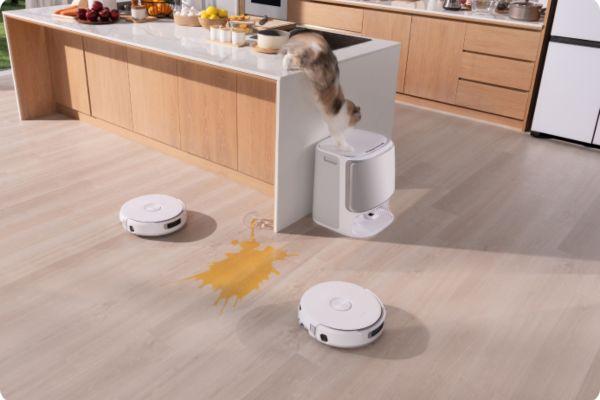
No, smart cleaning devices do not replace a traditional cleaning checklist. A checklist gives structure and accountability, making sure tasks like wiping counters, washing bedding, or dusting shelves are never forgotten. Smart devices focus on routine floor care, not the full range of household chores.
Used together, they create balance.
- Checklists remind you of less frequent but essential tasks, such as cleaning behind furniture, scrubbing grout, or disinfecting bathrooms.
- Smart devices like Narwal Flow handle repetitive jobs with precision. Its FlowWash system deep cleans floors and carpets automatically, reducing the time you spend on daily upkeep.
The result is simple. Your checklist gets shorter, your workload lighter, and your home stays consistently clean.
Seasonal Cleaning Checklist and Motivation Tips That Really Work
A seasonal cleaning checklist works because it matches your tasks with the unique challenges of each season. In spring you target pollen and clutter, in summer you fight humidity and mildew, in fall you prepare for storage and dust control, and in winter you focus on sanitizing kitchens and bathrooms. Following a seasonal plan ensures nothing is left undone and spreads the workload evenly across the year.
But even the best checklist is useless without motivation. Pair each season’s list with simple strategies to stay on track.
Season |
Key Cleaning Tasks |
Motivation Tip |
|---|---|---|
Spring |
Declutter closets, wipe baseboards, wash windows, dust furniture |
Use a 20-minute timer and tackle one area at a time |
Summer |
Mop hard floors, clean bathrooms more often, wash textiles, ventilate rooms |
Reward yourself after finishing a major task |
Fall |
Rotate wardrobes, deep clean kitchen, dust ceiling fans, organize storage |
Divide chores into weekend sessions to avoid burnout |
Winter |
Disinfect kitchens and bathrooms, wipe high-touch surfaces, vacuum more frequently |
Let smart tools like Narwal Flow handle floors so you save energy for deep cleaning |
The key is pairing structure with motivation. The checklist tells you what to do, while the right mindset and tools make sure it actually gets done.

Where to Find Free Downloadable Cleaning Checklists Online?
You can easily find free cleaning checklists online in PDF, Word, or Excel formats that you can print or edit. These resources save time, remove guesswork, and help you keep a consistent cleaning schedule without creating one from scratch.
Here are some of the most reliable places to download:
- Home organization blogs: Many offer printable cleaning checklists by room or by frequency.
- Professional cleaning services: Some share free guides and checklists to showcase their expertise.
- Pinterest and Etsy (free section): Great for visually designed templates that are easy to print.
- Google Docs and Canva templates: Allow you to edit and customize your cleaning checklist before printing.
- Household product brands: Some brands provide ready-to-use checklists as part of their cleaning tips section.
For best results, choose customizable checklists that let you add personal needs, such as pet areas or allergy care. Pairing a printed checklist with smart cleaning devices like Narwal Flow makes it even easier to stick to your routine, since repetitive floor cleaning can be automated.
FAQs
What Does a Standard Cleaning Checklist Typically Include?
A standard cleaning checklist usually covers basic chores like dusting, vacuuming, mopping, wiping surfaces, and cleaning bathrooms. These tasks create the foundation of a clean home and can be done daily or weekly. By following a set routine, you prevent dirt build-up and keep each room consistently tidy.
What Is Included in a Standard Home Cleaning Routine?
A normal home cleaning routine includes quick daily chores such as making the bed, washing dishes, and wiping counters, combined with weekly tasks like laundry and bathroom scrubbing. The key is balance: light daily cleaning reduces the workload for your weekly deep clean.
What Is the 20/10 Cleaning Rule?
The 20/10 rule means you clean for 20 minutes, then take a 10-minute break. This method helps you stay productive without feeling overwhelmed. It’s especially useful if you dislike long cleaning sessions or struggle with focus.
What Is the 6/10 Cleaning Rule?
The 6/10 rule suggests spending 6 minutes tidying up after any 10 minutes of activity that causes mess. It’s a micro-cleaning strategy designed to prevent clutter before it spreads. Small actions add up to big results over time.
What Is the 80/20 Rule for Cleaning?
The 80/20 rule in cleaning means 20% of tasks give you 80% of the visible results. For example, vacuuming floors and wiping counters instantly make a home look cleaner. Focus on these high-impact chores when you’re short on time.
What Should a Master Cleaning Schedule Contain?
A master cleaning schedule should include daily, weekly, monthly, and seasonal chores in one place. This ensures nothing gets overlooked, from wiping doorknobs to deep-cleaning carpets. Having everything written down helps you track and delegate tasks easily.
What Is the Most Efficient Way to Clean a House?
The most efficient way to clean is to start from the top of a room and work down, moving left to right. This prevents re-cleaning surfaces and ensures no area is skipped. With a clear checklist, you save time and energy.
What Are OSHA Cleaning Standards?
OSHA cleaning standards set guidelines for maintaining safe and sanitary work environments. They focus on preventing health hazards through proper disinfecting, waste disposal, and ventilation. While designed for workplaces, these principles can also inspire safer home cleaning.
What Is the 3S Cleaning Checklist?
The 3S checklist stands for Sort, Shine, and Standardize. First, remove unnecessary items. Next, clean and disinfect surfaces. Finally, set consistent habits to keep the area tidy. This system is widely used in industrial cleaning but also works at home.
Where Can I Find a Customizable Cleaning Checklist Template?
You can find customizable templates on home organization blogs, cleaning service websites, and free template platforms like Canva or Microsoft Office. These allow you to add your own chores, adjust frequency, and print them for daily use.
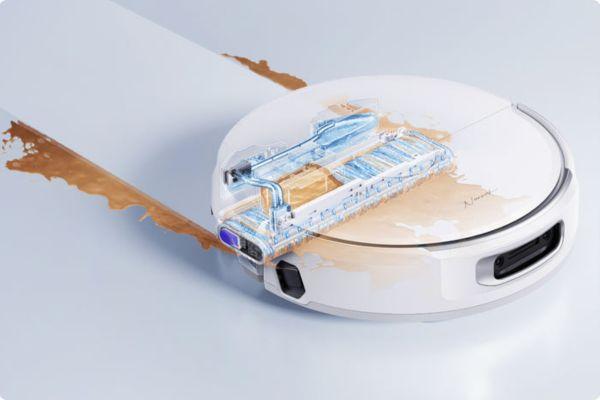
Make Every Checklist Easier With Narwal AU
A checklist shows you what to clean, but it’s Narwal that helps you actually keep up with it. The brand stands for smarter cleaning, with technology designed to handle the toughest floor care tasks while saving you time and energy.
Instead of worrying about daily mopping or vacuuming, you can let Narwal work quietly in the background while you focus on the rest of your list. The result is a cleaner home and a checklist that feels manageable, not overwhelming.
Choose Narwal AU as your cleaning partner. With every product the brand delivers, you gain more than a machine—you gain confidence that your home will always stay fresh, organized, and truly clean.


