
Spot cleaning is a quick and targeted way to remove small stains or spills without cleaning an entire surface. Whether it’s coffee on the carpet, pet mess on a rug, or dirt on upholstery, this focused method saves time and protects fabrics. Understanding how spot cleaning works—and when to use it—helps you prevent lasting stains while keeping your home cleaner with less effort.
In this guide, you’ll learn how to perform spot cleaning at home, when and why it’s most effective, and which messes and surfaces benefit most. You’ll also explore its key advantages and limitations, common mistakes to avoid, and how spot cleaning works in robot vacuums that target dirt automatically for deeper, smarter cleaning.
Finally, we’ll cover advanced spot cleaning technologies, eco-friendly product options, and how modern solutions like Narwal’s robot vacuums make precision cleaning faster, greener, and easier for every household.
What Is Spot Cleaning and How Does It Work?
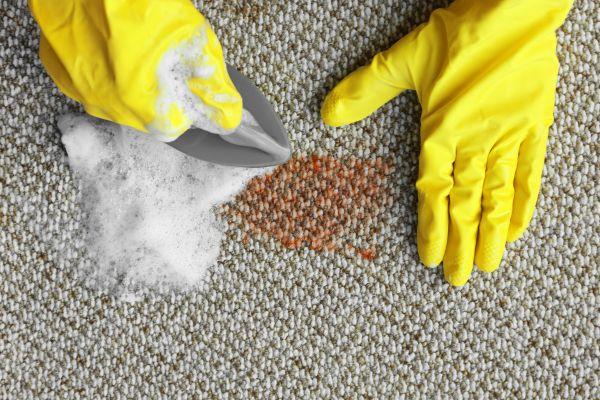
Spot cleaning means treating only the stained or dirty area instead of cleaning the whole surface. It is the fastest and most efficient way to deal with accidents like spilled coffee on carpet, pet mess on rugs, or a food mark on upholstery.
The method is simple. Apply a suitable cleaning agent, then blot the spot with a clean cloth or paper towel. Always dab gently, never rub, because rubbing pushes the stain deeper into the fabric. If needed, flush the area with clean water to remove any residue. Many people use detergents, specialty stain removers, or eco-friendly solutions depending on the fabric type.
Robot vacuums make this easier. Most models now include a Spot Clean Mode that sends the robot into a tight spiral or repeated passes over the soiled area. The suction and brush speed increase automatically, giving a deeper clean without running a full-house cycle. This saves energy, reduces wear, and focuses power where you actually need it.
In short, spot cleaning is targeted cleaning for fast, precise stain removal. Whether you do it by hand or with a smart robot vacuum, it helps you keep your home cleaner with less time and effort.
Spot cleaning sounds simple, but you may wonder: $2 The truth is, it works well for most everyday messes, but like any cleaning method, it has strengths and limits. Understanding both helps you know when to rely on spot cleaning—and when to consider a deeper or professional clean.
How to Perform Spot Cleaning at Home
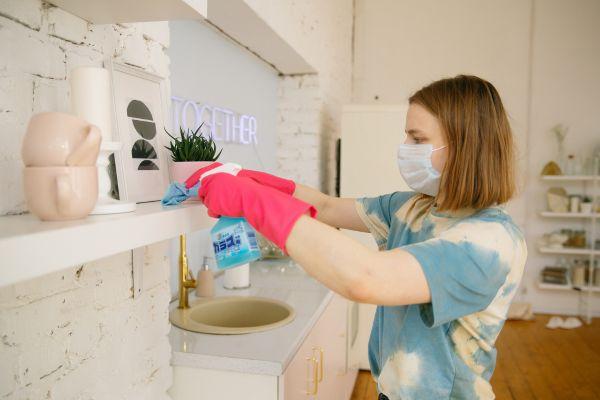
To spot clean at home, act fast, use the right cleaner, and blot gently instead of rubbing. These three principles protect fabrics and surfaces while removing stains effectively. From spills on carpets to smudges on upholstery, the process is simple if you follow clear steps.
Step 1: Identify the stain
Check what kind of mess you’re dealing with. Water-based stains like juice or coffee respond differently from oily spots like makeup or salad dressing. Correct identification helps you choose the right cleaning approach.
Step 2: Remove excess first
If it’s a liquid, blot gently with a dry paper towel. For solids, scrape off as much residue as possible with a spoon or dull knife. Acting fast reduces how far the stain can spread.
Step 3: Apply a suitable cleaner
Use a mild detergent, diluted dish soap, or a specialty stain remover. For eco-friendly alternatives, try baking soda paste or diluted white vinegar. Always test your cleaner on a hidden spot first to avoid damage.
Step 4: Blot, don’t rub
Gently dab the stained area with a clean cloth. Rubbing only drives the stain deeper into fibers and may damage the surface. Small, repeated blotting motions are safer and more effective.
Step 5: Rinse and dry
If recommended for the surface, flush the spot with clean water to remove any cleaner residue. Then blot dry with a fresh cloth and allow the area to air dry completely. This prevents water rings, odors, or mildew.
Pro tips:
- Use only the minimum amount of cleaning fluid needed.
- Repeat the process if necessary rather than over-saturating.
- For stubborn or delicate stains, professional cleaning may be the safest choice.
Community Spot Cleaning Tips:
- Pet owners often keep baking soda handy for quick odor and stain absorption on carpets and rugs.
- Parents recommend baby wipes for fresh food stains on upholstery—gentle yet effective in emergencies.
- DIY lovers suggest a mix of white vinegar and water for coffee or juice spills, applied with a spray bottle for easy blotting.
- Apartment dwellers swear by microfiber cloths and portable spray cleaners to manage small messes without hauling out bigger tools.
These real-life hacks reflect what many homeowners actually do day-to-day. Combine them with proper methods, and spot cleaning becomes both practical and sustainable.
When and Why to Use Spot Cleaning at Home
Spot cleaning is the fastest and most effective way to deal with small, sudden messes. Instead of cleaning the whole room, you treat only the problem area. This saves time, energy, and helps stains from becoming permanent.
You should use spot cleaning immediately after a spill, pet accident, or tracked-in dirt. Acting quickly stops stains from setting deeper into carpets or upholstery. According to cleaning industry surveys, over 60% of households report using spot cleaning as their first response to spills and pet messes, because it reduces overall cleaning time and prevents damage.
Common scenarios include kitchens with food or drink spills, living rooms where children leave marks, and bedrooms with accidental dirt or smudges. Pet owners find it essential for removing fur, stains, or small accidents before they spread. Simply blot with a cloth or paper towel, apply the right cleaning solution, and dry the spot. A quick response keeps the mess contained.
Spot cleaning is also important for delicate fabrics and surfaces. Items labeled “spot clean only,” such as upholstery, rugs, or garments, can be damaged by full washing. Targeting just the soiled area helps maintain fiber quality, avoids excess product use, and extends the life of your furniture and textiles.
For busy families, pet owners, or anyone who values efficiency, spot cleaning is a practical daily habit. It reduces the workload of full cleanings, keeps your home fresher for longer, and protects your belongings from lasting stains.
Best Messes and Surfaces for Spot Cleaning
Spot cleaning works best for small, fresh messes that don’t require full-room cleaning. Acting quickly prevents stains from setting and saves both time and cleaning effort.
Common messes ideal for spot cleaning include:
- Food spills such as sauce, wine, chocolate, or oil stains on carpets, upholstery, or clothing.
- Drink stains like coffee, tea, or juice that can seep into porous textiles if not blotted fast.
- Pet stains and hair on rugs, carpets, or bedding, where localized cleaning, which removes visible marks and trapped residue.
- Ink, makeup, or grass stains on garments and linens, where targeted cleaning agents prevent dye transfer.
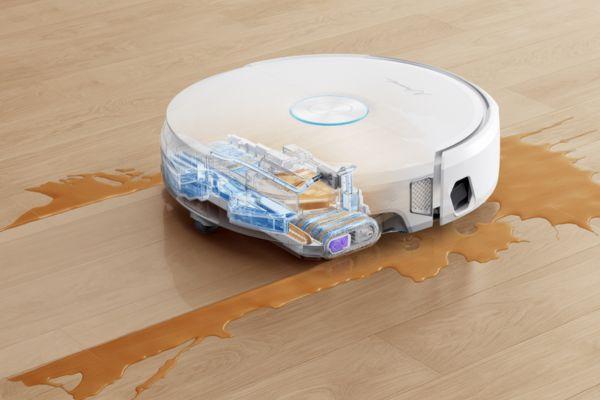
- Dust and mud smudges on tiles or hardwood, which can be wiped away before they spread.
Best surfaces for spot cleaning:
- Carpets and rugs: spot cleaning stops soil from spreading, critical for high-traffic areas.
- Upholstery and textiles: a damp cloth or mild cleaning fluid removes stains without damaging fibers.
- Hard floors (tile, wood): quick touch-ups avoid water damage or scratches.
- Mattresses and bedding: handles small spills without full wet cleaning or dry cleaning.
Textile care experts emphasize that testing cleaners on an inconspicuous area is essential to avoid discoloration. Modern robot vacuums with spot clean modes add precision by adjusting suction and pressure automatically, giving consistent results across different surfaces.
In short: spot cleaning is most effective for everyday messes on carpets, fabrics, and floors, helping you restore cleanliness fast without the effort of full-scale cleaning.
Is Spot Cleaning the Only Recommended Method for Garments, Upholstery, and Special Fabrics?
Yes. If the label says “spot clean only,” you should avoid full washing. Spot cleaning prevents water damage, shrinkage, dye bleeding, and fiber distortion. Use a mild cleaning agent, blot gently with a clean cloth, and always test in a hidden area first. Checking the care label ensures safe stain removal and preserves fabric quality.
Is Spot Cleaning Effective? Key Advantages and Limitations
Yes, spot cleaning works well for most everyday stains—from spilled drinks to food marks and dirt smudges. Acting fast is key. By treating only the soiled area, you prevent stains from spreading, protect delicate textiles, and save time compared to full cleaning.
Advantages of spot cleaning:
- Fast and localized: Removes small messes without cleaning the whole surface.
- Protects fabrics: Limits exposure to water and harsh chemicals, reducing dye bleed or fiber damage.
- Saves resources: Uses less water, detergent, and energy.
- Extends textile life: Prevents permanent stains and lowers the need for frequent deep cleaning.
Limitations of spot cleaning:
- Not always enough: Oil, ink, or set-in food stains may need professional treatment.
- Risk of residue: Overuse of cleaning fluid or poor rinsing can leave rings or water stains.
- Surface challenges: Thick upholstery and porous materials may trap soil or cleaning solution.
- Uneven results: Over-reliance on spot cleaning can cause patchiness if the surrounding area is soiled.
In summary: Spot cleaning is excellent as a first response and works for most household stains, but it is not a cure-all. For stubborn or sensitive cases, follow care labels or seek professional help to avoid lasting damage.
Expert tip: Textile care specialists recommend blotting stains immediately with a white cloth and using the least aggressive cleaner first. This minimizes fabric stress while improving stain removal success.
Key Precautions and Common Mistakes in Spot Cleaning
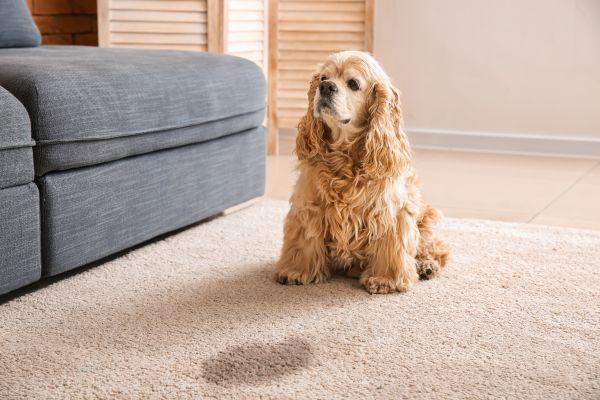
Spot cleaning saves time and protects your fabrics—but only if done correctly. Many stains get worse not because they’re hard to remove, but because the wrong method is used. Below is a clear guide that contrasts the right approach with the mistakes you should avoid.
|
Correct Practice |
Common Mistake |
|---|---|
|
Always check the care label or manufacturer’s instructions before applying any cleaner. |
Ignoring care instructions, which can cause shrinkage, dye transfer, or permanent damage. |
|
Blot stains gently with a clean white cloth or paper towel. |
Rubbing or scrubbing, which pushes stains deeper and damages fibers. |
|
Test the cleaning product on an inconspicuous area first. |
Applying detergent or solvent directly without testing, risking discoloration. |
|
Use minimal cleaning solution and water—just enough to lift the stain. |
Overusing fluid, leading to water stains, mildew, or fabric warping. |
|
Rinse the treated spot with clean water and blot dry. |
Leaving cleaning residue behind, which attracts more dirt or irritates skin. |
|
Let the area air dry completely before reuse. |
Skipping proper drying, resulting in lingering odors or mold growth. |
|
Seek professional help for oil-based, ink, or delicate fabric stains. |
Attempting to clean every type of stain at home, risking irreversible damage. |
In short: spot cleaning is about precision and restraint. The right technique removes stains efficiently while preserving the fabric’s quality. A few minutes of careful handling can prevent a small spill from becoming permanent damage.
Expert tip: The International Fabricare Institute recommends always testing cleaning products on hidden areas and choosing blotting over scrubbing, as this method maintains fabric integrity and prevents permanent staining.
How Spot Cleaning Works in Robot Vacuums
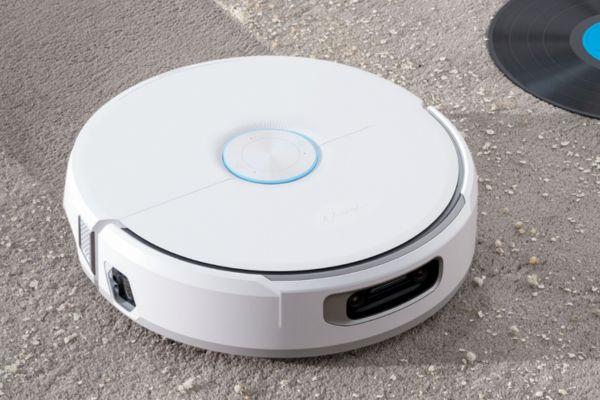
Spot cleaning in robot vacuums is a mode that focuses cleaning power on one small, dirty area instead of the whole room. When you activate it, the robot moves in a tight spiral or grid pattern, passing over the same spot several times. At the same time, it often boosts suction and brush speed, so stains and spills get more intense treatment.
You can start spot cleaning with a button on the machine, through a remote, or directly in the app. Some advanced models even let you draw a zone on your phone or set virtual barriers, so the robot cleans only the messy spot. This is especially useful for daily accidents—food dropped near the dining table, muddy footprints by the door, or pet messes on the rug.
The advantage over manual cleaning is consistency. A robot applies steady suction, equal pressure, and repeat cycles without missing edges or tiring out. For textiles and floors, this means better stain removal and less risk of pushing dirt deeper. Compared to a full cleaning run, spot mode also saves time, energy, and battery life.
Independent lab tests and user reviews confirm that spot cleaning can remove up to 90% of fresh spills when used immediately. This makes it one of the most efficient modes for high-traffic zones, like entryways and kitchens, where stains tend to appear most often. Industry experts also note that frequent use of spot cleaning reduces the need for deeper, chemical-heavy cleaning later, extending both the life of floors and the vacuum itself.
In practice, spot cleaning is one of the most valuable features of modern robot vacuums. It gives you fast, targeted results for problem areas while keeping the rest of your home undisturbed.
Advanced Spot Cleaning Technology: Key Features and Real-World Applications
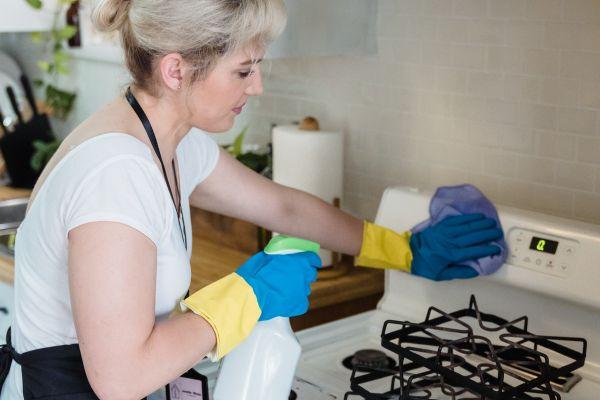
Spot cleaning technology has moved far beyond simple stain removal. Today’s advanced systems use AI detection, precision navigation, and automated cleaning cycles to deliver fast, targeted results on carpets, hardwood, and textiles. Instead of running a full cleaning session, the robot identifies high-soil areas and focuses power where it matters most.
Key features include intelligent dirt sensing, customizable cleaning modes, and even auto detergent dispensing. Some high-end models now use hot-water mop washing and pressure control to handle sticky stains and oily spills more effectively than manual methods.
In daily life, this means quicker responses to common messes: a juice spill on the carpet, muddy footprints in the entryway, or makeup stains on fabric chairs. Rather than wasting time on full-room cleaning, you can target the problem area immediately, keeping your home cleaner with less effort.
Narwal exemplifies these innovations with its Flow and S30 Pro models. Using AI DirtSense, dToF LIDAR mapping, and real-time mop maintenance, these robots adapt to messy zones automatically. For instance, the S30 Pro applies up to five times the standard cleaning power with hot water to lift oily kitchen stains. This makes it a strong choice for busy families, pet owners, or anyone who needs precise and low-maintenance cleaning.
[cta:narwal-flow-robot-vacuum-mop]
Green Alternatives and Recommended Spot Cleaning Products
Looking for safer ways to spot clean? Eco-friendly cleaners can remove stains effectively without harsh chemicals. Popular green alternatives include:
- Bio-enzymatic cleaners for food, drink, and organic stains.
- Plant-based sprays made with coconut or citrus extracts.
- Baking soda and vinegar for neutralizing odors and lifting common marks.
- Castile soap (diluted) for delicate fabrics and garments.
- Cornstarch or talcum powder to absorb oily or greasy stains.
Why choose green cleaners? They are gentle on textiles, safe around kids and pets, and reduce chemical residues at home. They also help fabrics last longer by avoiding fiber damage or dye bleed.
For everyday care, you can mix your own solutions—like a simple baking soda paste—or use plant-based brands available worldwide. Always test on a hidden spot first and blot, don’t rub. For stubborn or oily stains, consider specialty eco detergents.
For deeper, automated cleaning, advanced robot vacuums such as Narwal Flow and Narwal S30 Pro use minimal detergent, self-cleaning mops, and carpet-specific modes to deliver eco-friendly results without extra effort.
In short, green products make spot cleaning safer, more sustainable, and just as effective. Next time a spill happens, reach for a gentle cleaner first—you’ll protect both your home and the environment.
What is a real-life example of spot cleaning?
Blotting spilled coffee on a carpet with a cloth and mild cleaner—without washing the entire carpet—is a common example of spot cleaning.
How do you spot clean a couch effectively?
Use a mild upholstery cleaner and a clean white cloth. Blot gently and let the fabric air dry to avoid water marks.
What is the best way to spot clean a mattress?
Use baking soda or a mild detergent solution. Blot the area gently, then allow full air drying to prevent odors or mildew.
Can items labeled “spot clean only” be hand washed?
No. Treat only the stained area gently. Hand washing the entire item may cause shrinkage or color bleeding.
What are some homemade solutions for spot cleaning?
Baking soda paste, diluted white vinegar, or mild dish soap mixed with water work well. Test first on a hidden area.
Is spot cleaning the same as hand washing?
No. Spot cleaning targets small areas; hand washing cleans the entire item. Spot cleaning is safer for delicate fabrics.
Is spot cleaning the same as dry cleaning?
No. Dry cleaning uses solvents for full garments; spot cleaning removes stains locally using water or mild agents.
Can “spot clean only” items be machine washed?
No. Machine washing can damage fabrics or cause dye transfer. Always follow the care label instructions.
What happens if you wash a “spot clean only” item?
If washed accidentally, air dry and inspect for damage. Some fabrics may recover; others may lose shape or color.
What does “Spot Clean Mode” mean on a robot vacuum?
It’s a focused cleaning function where the robot repeatedly cleans a small area with higher suction for deeper results.
How often should you spot clean your carpet or sofa?
Spot clean as soon as spills occur. For high-traffic areas, inspect weekly and treat stains early to prevent buildup.
Does spot cleaning remove odors?
Yes. Baking soda or enzyme-based cleaners can lift stains and neutralize odors caused by pets, food, or moisture.
Make Spot Cleaning Smarter with Narwal’s Robot Vacuum
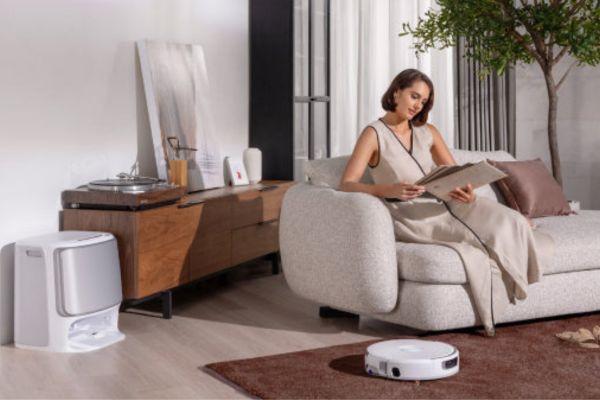
Spot cleaning keeps your home fresh, saves time, and protects fabrics. But the right tools make all the difference. Instead of relying only on manual effort, you can let smart cleaning technology handle everyday stains with precision and consistency.
Narwal’s latest models, such as the Flow and S30 Pro, are designed with advanced spot cleaning functions, AI DirtSense, and eco-friendly self-cleaning systems. They help you tackle spills, pet messes, and sticky spots quickly—without extra work or wasted detergent.
If you’re ready to move beyond basic cleaning and enjoy a faster, smarter, and greener way to keep your home spotless, explore Narwal Australia’s spot cleaning solutions today.


