
Best Picks at a Glance: Recommended Mopping Solutions
Choosing the right mopping solution depends on your floor type, household needs, and whether you use a traditional mop or a smart cleaning robot. Here’s a quick overview of the best options across categories—covering commercial products, DIY recipes, and robot-compatible solutions.
|
Floor / Scenario |
Commercial Option |
DIY Recipe |
Robot-Compatible Option (e.g., Narwal) |
Why It Works |
|---|---|---|---|---|
|
Hardwood Floors |
Bona Hardwood Floor Cleaner (pH-neutral, streak-free) |
Warm water + a few drops of mild dish soap |
Narwal Freo Z Ultra Wood Floor Maintainer – restores shine, prevents scratches |
Protects sensitive finishes and avoids swelling or dullness |
|
Tile Floors (Kitchen/Bathroom) |
Fabuloso All-Purpose Cleaner (strong degreasing) |
1 cup vinegar + 1 gallon warm water (avoid on stone) |
Narwal Powerful Stain Remover Pack – penetrates grout and sticky messes |
Cuts grease, dissolves grime, and restores brightness |
|
Laminate Floors |
Quick Shine Multi-Surface Floor Cleaner (fast-dry) |
Diluted dish soap spray |
Narwal S20 Pro Cleaning Solution – auto-dispensed, low-foam formula |
Prevents excess water damage and residue buildup |
|
Vinyl / Luxury Vinyl Plank (LVP) |
Method Multi-Surface Floor Cleaner (eco-friendly) |
Warm water + 2 tbsp rubbing alcohol (quick dry) |
Narwal S20 Pro Cleaning Solution |
Gentle and safe for protective coatings; dries quickly |
|
Pet- & Child-Friendly Homes |
Plant-based, hypoallergenic multi-surface cleaner |
Castile soap (1 tsp per liter of warm water) |
Narwal solutions (low-foam, safe when used as directed) |
Safety first—no harsh residues, low odor, fast drying |
- Commercial products are tested and consistent, great for quick results.
- DIY recipes are cost-effective and eco-friendly, but always test on a small hidden spot first.
- Robot-compatible cleaners (like Narwal’s) ensure the right dilution and avoid foaming issues that can harm devices—perfect if you rely on smart cleaning.
Important Notice for Robot Vacuum Users
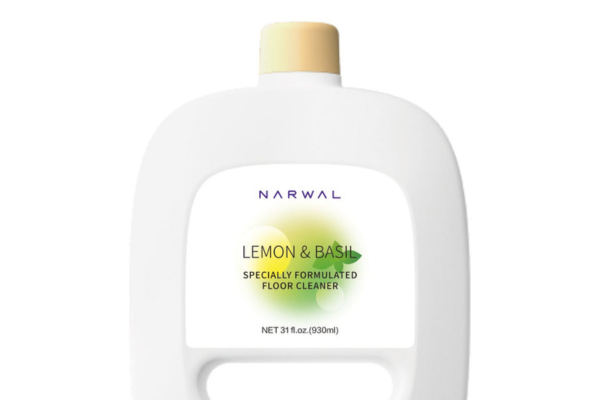
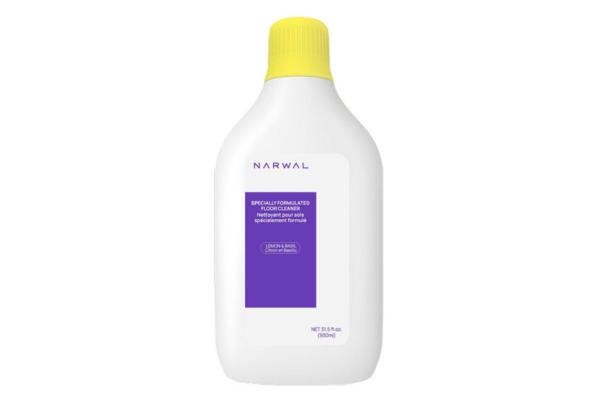
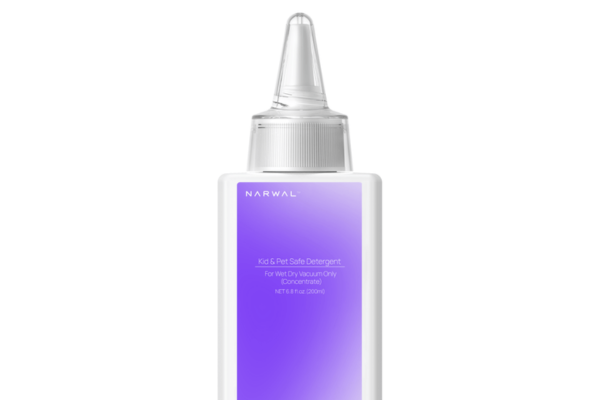
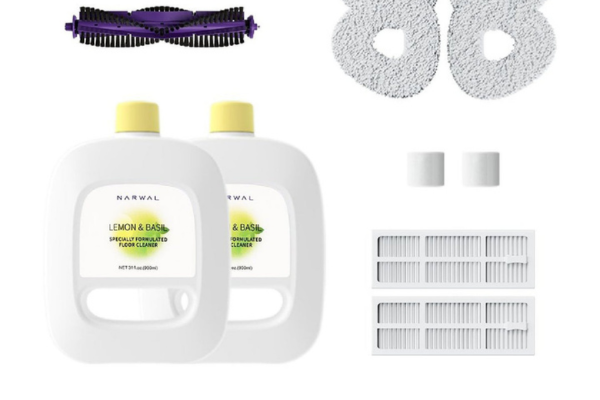
If you are using a Narwal robot vacuum and mop (such as S20 Pro, Freo Z Ultra, or Z10 models), only official Narwal cleaning solutions should be used.
- Using third-party or homemade cleaners may cause excessive foaming, internal damage, or malfunction.
- Such misuse is not covered under Narwal’s warranty policy.
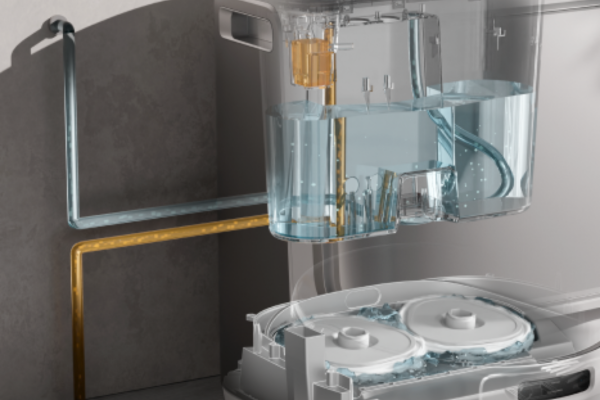
- Always follow the product manual instructions: add water first, then the designated Narwal cleaning solution, to ensure safe and effective operation.
By following this guidance, you protect both your floors and your device investment.
How to Judge a Good Mopping Solution and Avoid Common Problems
A good mopping solution is easy to spot if you know what to check. Use these five standards at home. They show you in minutes whether a cleaner is worth keeping or if it is causing more harm than help.
Cleaning power
Your cleaner should lift dust, grease, and odor with one pass. Test it on a sticky kitchen spot. If the mark wipes clean without scrubbing, it works. If you need several passes, the power is too weak. If smell lingers, deodorizing is poor.
Residue and drying speed
Residue makes floors dull and attracts dirt. A strong formula leaves no film and dries in under ten minutes. If you feel tackiness, see streaks, or hear squeaks when walking, the cleaner is leaving surfactants behind.
Surface safety
Floors react differently. Hardwood and engineered wood need pH-neutral liquids and very little water. Laminate swells if too wet or scratched by abrasive agents. Tile tolerates more, but stone should never meet vinegar or strong acids. Vinyl needs gentle care to protect the wear layer. Cloudy shine, edge swelling, or patchy grout mean the chemistry is wrong.
Ease of use
A good solution should fit your routine. Ready-to-use sprays save time. Concentrates should have simple ratios you can remember. Robot vacuums with mopping require low-foam, approved cleaners. If you spend time rinsing or recalculating dilution, ease of use is failing.
Household safety
Choose low odor, low VOC, and low residue. A safe formula does not sting skin or eyes, even without gloves. Pets should not slip once the floor dries. If smell lingers for hours, if eyes water, or if children pick up a film on their hands, the cleaner is too harsh.
Typical failures
Wood looks dull after a month. Laminate turns cloudy near sunlight. Grout bleaches unevenly. Vinyl feels gummy the next day. A robot vacuum leaves bubbles in its trail. These are all signs you need a new formula or better dilution.
Look for pH-neutral on wood, residue-free on laminate and vinyl, and balanced degreasing on tile. Always prefer quick-dry, low-foam formulas if you use a robot vacuum. When your cleaner meets these checks, you get floors that shine without damage or frustration.
Commercial Options and Comparisons for Mopping Solutions
Commercial cleaners remain the go-to choice for many households. They are tested, consistent, and safe when matched with the right floor. Unlike DIY mixes, they arrive ready with a balanced formula and clear usage instructions. The key is choosing the right category for your surface.
For hardwood, the safest option is a low-moisture, pH-neutral cleaner. These solutions protect delicate finishes, avoid swelling, and deliver a streak-free shine. Many wood owners notice that once they switch to a neutral formula, the floor retains its gloss much longer.
Tile and kitchen areas benefit from strong degreasing and deodorizing formulas. Food spills, grease, and grout stains demand more power. A well-designed tile cleaner removes oil without leaving heavy fragrance or sticky film. If you cook often, this type is the most efficient.
Multi-surface homes need fast-dry, low-residue cleaners. A single product that works across vinyl, laminate, and sealed wood reduces effort. Quick evaporation keeps traffic flowing and lowers slip risk. For busy families, this convenience often outweighs the higher cost.
|
Category |
Cleaning strength |
Residue |
Safety |
Best fit |
|---|---|---|---|---|
|
pH-neutral wood cleaner |
Gentle on stains |
None when used correctly |
Very safe for children and pets |
Hardwood and engineered wood |
|
Tile degreasing cleaner |
High power against grease |
Minimal if rinsed |
Moderate, check ventilation |
Tile, ceramic, kitchen floors |
|
Multi-surface quick-dry cleaner |
Balanced |
Very low |
Safe for daily use |
Mixed-floor households, high-traffic zones |
Commercial solutions excel in reliability, tested safety, and ease of use. They are designed to avoid common mistakes and usually outperform homemade mixes on stubborn dirt. Still, they come with a higher price and sometimes stronger chemicals. For households that value predictable results, they remain the most practical choice.
User Reviews and Real Experiences with Mopping Solutions
Hardwood users consistently praise pH-neutral, residue-free cleaners. They say these formulas protect the finish and keep wood looking glossy without swelling. What frustrates them most are acidic solutions like vinegar, which leave the floor dull or require too many rinses.
Pet families focus on odor control, fast drying, and non-toxic formulas. They want floors safe for paws as soon as mopping is done. Their common complaint is sticky residue that traps pet hair and dust, along with strong fragrances that pets dislike.
Busy households with heavy foot traffic value quick, low-effort cleaning. They like solutions that dry fast and work without careful measuring. Their complaints often include streaks, residue, and floors that feel tacky too quickly after cleaning.
Robot vacuum users with mopping functions highlight the benefit of automatic solution dispensing. They say it delivers consistent results and streak-free floors without guesswork. At the same time, users warn that non-official cleaners can foam excessively, damage the internal system, and void the warranty. Most agree that sticking to the brand’s own cleaning solution is the safest choice.
From these reviews, a clear pattern emerges. The most trusted mopping solutions are safe, quick-drying, and residue-free, whether you choose a commercial cleaner, a DIY recipe, or a formula made for robot vacuums.
How Can You Make Safe DIY Mopping Solutions for Different Floors?
You can prepare safe DIY floor cleaner recipes at home if you follow exact ratios, match each mix to the right floor, and avoid incompatible surfaces. Here are the most common homemade mopping solutions explained step by step.
Vinegar and Water
Mix 1 cup of white vinegar with 1 gallon of warm water. This works well on ceramic and porcelain tile. Mop in small sections and let the liquid sit for one minute before wiping. Do not use this homemade mopping solution on hardwood or natural stone, where acidity can dull the finish or etch the surface.
Dish Soap and Water
Add 3–4 drops of mild dish soap to one quart of warm water. This DIY floor cleaner is safe for laminate, vinyl, sealed wood, and tile. Stir gently until mixed, dip your mop lightly, and clean with overlapping strokes. Avoid adding too much soap, as excess suds leave residue and make the floor tacky.
Baking Soda Paste
Blend 1 part baking soda with 3 parts water to form a paste. This recipe is suitable for grout lines and stubborn stains on ceramic tile. Apply with a soft brush, scrub gently, then lift with a damp microfiber cloth. Never use baking soda on vinyl or hardwood, since the abrasive texture can scratch the surface.
Rubbing Alcohol Mix
Combine 1 cup of rubbing alcohol with 1 gallon of water and add 2–3 drops of dish soap. This homemade mopping solution dries quickly and is safe for laminate and vinyl. Spray or apply with a damp mop and allow it to air dry. On wood floors, dilute the alcohol by half and use minimal liquid to prevent swelling.
Lemon Water
Mix ¼ cup of lemon juice with 1 gallon of warm water. This gives a fresh scent and works on vinyl and glazed tile. Mop as usual, then follow with a quick wipe using plain water to remove acid traces. Do not use lemon water on stone or unfinished wood, where acids can leave permanent marks.
Safety Check
Always test your homemade cleaner on a small hidden spot first. Mop only a small section, let it dry, and inspect the surface. If you see haze, streaks, or smell strong residue, dilute the mix further. Use these DIY recipes for quick maintenance, but for robot vacuums with mopping functions, only use approved low-foam cleaners. Homemade solutions can damage the system and void warranty.
How Should You Mop Different Floors with the Right Solutions?
Effective mopping means using the right cleaner, the right moisture level, and the right tool for each surface. Follow these steps to match your solution and technique.
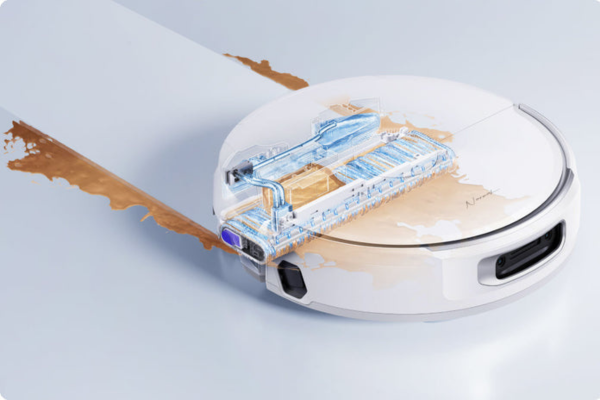
Step 1: Choose the right solution for your floor
Hardwood works best with a pH-neutral cleaner to protect its finish. Tile can handle a stronger degreasing solution to cut through oil and grout buildup. Laminate needs a light, low-residue mix that won’t seep into joints. Vinyl and LVP respond well to gentle multi-surface cleaners. If you are using a robot vacuum, stick to official low-foam solutions only. Other liquids may damage the pump system and void the warranty.
Step 2: Control water and moisture
Hardwood and laminate demand a damp mop, never a wet one. Tile allows more liquid but should be rinsed once with clean water to prevent film. Vinyl should be sprayed lightly and dried quickly to avoid slips. Robot vacuums already dispense minimal water, but the reservoir must always be filled correctly to maintain balance.
Step 3: Match tools to surfaces
Microfiber mops are safe for all floors. Spray mops offer quick coverage, perfect for laminate and vinyl. Steam mops sanitize tile but should not be used on wood or laminate.
For a more advanced option, Narwal Flow takes care of multiple surfaces automatically. Its FlowWash system rinses and scrapes the mop in real time, so it never drags dirty water across the floor. CarpetFocus technology detects rugs, lifts the mop, and boosts suction, while the DualFlow design keeps long hair from tangling. These features mean one device can switch from hardwood to tile to carpet without manual changes.
[cta:flow-robot-vacuum-and-mop]
Step 4: Set the right cleaning routine
|
Floor type |
Daily cleaning |
Deep cleaning |
|---|---|---|
|
Hardwood |
Vacuum or robot sweep |
Damp mop with neutral cleaner every 2–3 weeks |
|
Tile |
Quick mop in kitchens and bathrooms |
Full mop with grout care weekly |
|
Laminate |
Dry mop or vacuum |
Damp mop every 2 weeks |
|
Vinyl/LVP |
Light spray mop |
Deeper clean every 1–2 weeks |
Step 5: Avoid common mistakes
|
Mistake |
Correct practice |
|---|---|
|
Using vinegar on wood or stone |
Use only pH-neutral cleaners |
|
Over-wetting laminate joints |
Spray lightly and keep mop damp |
|
Leaving residue on tile or vinyl |
Rinse once with plain water |
|
Filling robot vacuums with DIY mixes |
Use official low-foam cleaners |
|
Ignoring mop pad care |
Wash or replace pads often |
Every surface needs its own formula: neutral for wood, degreasing for tile, light for laminate, gentle for vinyl. When paired with smart tools such as microfiber mops or automated systems like Narwal Flow, your solution works better, your routine gets easier, and your floors stay protected.
Solutions for Special Household Scenarios
Not every home has the same needs. Pets, children, or sensitive family members change how you clean. The goal is always safety and quick recovery without leaving harmful residue.
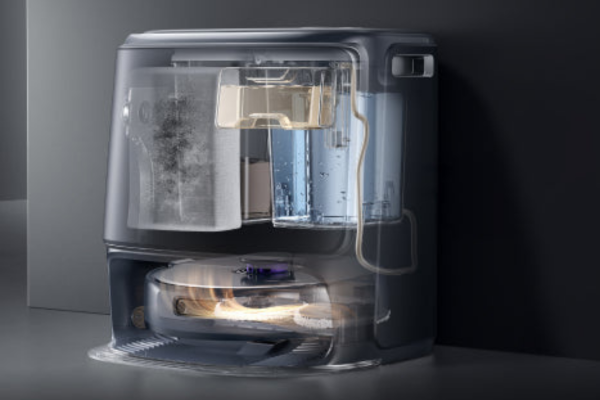
Homes with pets
Choose non-toxic, quick-dry, low-residue cleaners. Strong scents irritate pets and encourage licking. For accidents, spot-treat with enzyme spray before mopping.
If you use a robot vacuum, fill it with approved low-foam cleaner only. This keeps pumps safe and avoids foaming. Skip bleach and ammonia, which stress airways and paws.
Homes with babies or small children
Use pH-neutral, fragrance-free solutions. Mop play zones lightly, then do a quick clean-water rinse where hands touch most.
Time your cleaning before naps, so floors dry fully. Robot vacuums help in quiet mode, but keep toys off the floor until surfaces are safe to touch.
Homes with sensitive individuals
Pick low-VOC, dye-free, pH-neutral formulas. Always ventilate. Wear nitrile gloves if skin reacts.
Vacuum first to remove dust, then mop with diluted solution. If odor lingers past fifteen minutes, your mix is too strong. Robot vacuums shorten exposure by automating short cycles.
Shared principles
Keep liquid light, let surfaces dry fully, and rinse away film if it appears. Always wash pads often. Neutral for wood, gentle for vinyl, balanced for tile. This consistency keeps homes safe for every family type.
|
Household type |
Core need |
Best solution choice |
Extra care |
|---|---|---|---|
|
Pets |
Safe paws and quick drying |
Non-toxic, low-residue, mild scent |
Avoid bleach, ammonia, and strong perfumes |
|
Babies / Kids |
Low irritation and touch safety |
pH-neutral, fragrance-free |
Mop play zones lightly, rinse once, dry before play |
|
Sensitive / Pregnant |
Low chemical exposure |
Low-VOC, dye-free, neutral formula |
Ventilate, use gloves, keep dilution high |
A robot vacuum with mopping can make each scenario easier. Narwal Flow, for example, rinses its mop in real time, applies steady pressure, and lifts automatically on carpets. This means cleaner floors for pets, safer surfaces for kids, and shorter exposure time for sensitive users — all with the right official solution inside.
FAQs
What is the biggest mistake when choosing a mopping solution?
Using the same cleaner for all floor types. Different surfaces (hardwood vs. tile) react differently to pH levels and moisture; a formula safe for tile may strip the finish off wood or laminate.
Why does my floor look dull or streaky after mopping?
This is usually caused by detergent residue or using too much product. If the solution doesn't evaporate cleanly, it leaves a film that traps dust and masks the floor’s natural shine.
Can I use DIY or regular floor cleaners in a robot vacuum?
No. Robot systems require specific low-foam formulas. Regular soaps or DIY mixes can foam excessively, clog internal pumps, or leave sediment that voids the manufacturer’s warranty.
How do I know if a mopping solution is leaving a sticky residue?
Signs include a tacky feeling underfoot, visible footprints shortly after cleaning, or "squeaking" sounds. This indicates that surfactants are staying on the surface instead of being lifted away.
Why is a fast-drying formula important?
Fast drying prevents moisture from seeping into sensitive floor joints (like laminate) and reduces the risk of slips. It also ensures that dust doesn't settle into a wet film, which causes streaking.
How do I prevent mopping solutions from soaking into carpets?
Manual mopping often leads to accidental dampness on rugs. Advanced robots like Narwal use ultrasonic sensors to detect carpet and automatically lift mop pads (up to 12mm) to keep carpets dry.
Why do floors sometimes smell "sour" after mopping?
Odors are caused by bacteria buildup on damp mop pads. To prevent this, systems like Narwal Flow wash pads with $45°C$ ($113°F$) water and use $40°C$ ($104°F$) heat-drying to eliminate moisture and bacteria.
Is a DIY cleaner better than a commercial product?
While DIY (like vinegar/water) is cheaper, it lacks the balanced chemistry of professional solutions. Commercial formulas are engineered for specific machines to prevent hardware damage and provide a streak-free finish.
What should I prioritize for homes with pets and kids?
Choose a low-odor, pH-neutral formula. When paired with high-pressure scrubbing (like Narwal’s $12N$ downward pressure), it removes grime physically rather than relying on harsh chemicals.
When should I switch to a different mopping solution?
Switch if you notice persistent tackiness, cloudy finishes, or if the floor seems to attract dirt faster than usual. These are clear signs the chemistry is incompatible with your floor type.
Your Floors Deserve the Right Solution
Every mopping choice has its place. Commercial cleaners give quick results. DIY recipes save money. Robot-compatible formulas keep devices safe. But choosing a solution is only half of the task. The way you apply it determines whether your floors stay shiny, safe, and truly clean.
Narwal connects both sides of the story. Its robot vacuums and mops work with official low-foam cleaners, ensuring every drop is mixed correctly. Pads stay clean during the process. Floors dry faster with no sticky residue left behind.
If you want the most reliable way to enjoy clean floors every day, Narwal offers a complete approach that is consistent, safe, and effortless.

