




Why Your Vacuum Cleaner Is Spitting Out Dust
If your vacuum is spitting out dust instead of picking it up, it’s usually an airflow or suction problem. When air can’t move smoothly through the system, dust escapes through vents or small gaps rather than staying inside the bin. Here are the most common reasons this happens—and what they look like in daily use.
1. Full Dust Bin or Vacuum Bag
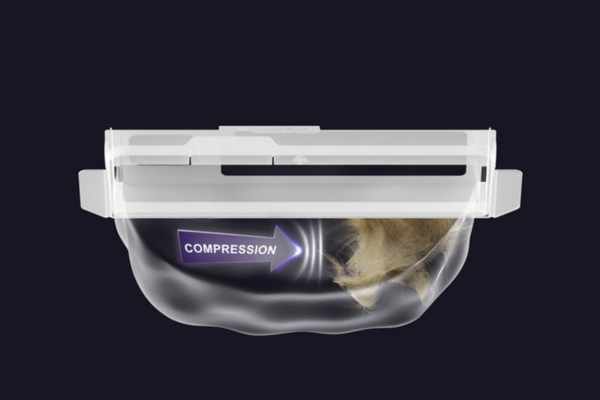
A full bin or overfilled bag limits airflow and leaves no room for new debris. Instead of pulling in dirt, the vacuum starts pushing particles back out through the nozzle or exhaust.
Empty the bin when it’s two-thirds full to maintain strong suction and avoid backflow.
2. Dirty or Clogged Filters
Filters trap fine dust and keep air circulating properly. When they’re packed with dirt, suction drops sharply and air pressure builds up. This can force dust out of the exhaust or around the filter housing.
Clean or replace filters monthly—or more often if you have pets or vacuum daily.
3. Blocked Hose or Air Path
A clog in the hose or wand blocks airflow, sending dirt in the wrong direction. You might notice debris collecting near the brush or dust puffing out of the base.
Remove the hose and clear any visible obstructions with a long, flexible brush or hanger.
4. Jammed or Tangled Brush Roller
If the roller can’t spin freely, it can’t lift debris properly. Instead, it pushes dirt forward or scatters it across the floor. You might hear the motor strain or see hair wrapped tightly around the brush.
Cut away tangled threads and clean behind the roller regularly.
5. Loose Belts, Cracked Seals, or Weak Connections
The vacuum’s suction depends on tight seals and working belts. When belts slip or seals crack, air leaks out instead of pulling debris in. You’ll often feel weaker suction or notice fine dust leaking near joints.
Check for loose parts and replace worn belts or seals promptly.
6. Incorrect Floor Mode or Height Setting
Using the wrong floor mode can reduce pickup power. Carpet mode on hard floors—or a setting that’s too high—lets dust scatter instead of being collected.
Match the setting to your surface for better contact and suction.
7. Improper Assembly or Misplaced Filter
If parts aren’t seated correctly after cleaning, small gaps can break the airflow seal. Dust may leak around the bin or out the vents even when the vacuum seems to work.
After every cleaning, reassemble the bin, filter, and hose carefully until each part clicks into place.
The Core Problem: Airflow Disruption
Every one of these issues comes down to poor airflow. When air can’t travel smoothly from the floor to the bin, suction weakens and dust escapes. Most problems can be fixed with simple cleaning or part replacement, which you’ll learn in the next section.
How to Fix a Vacuum Cleaner That Spits Out Dust
If your vacuum cleaner is spitting out dust or debris, the problem usually comes from poor suction or a blocked airflow. Before taking it to a repair shop, you can fix most cases at home in less than 30 minutes. Here’s a simple, step-by-step guide anyone can follow.
1. Unplug the Vacuum Before You Begin
Safety always comes first. Never inspect or clean a vacuum while it’s powered on. Disconnect it from the outlet and make sure all moving parts have stopped completely.
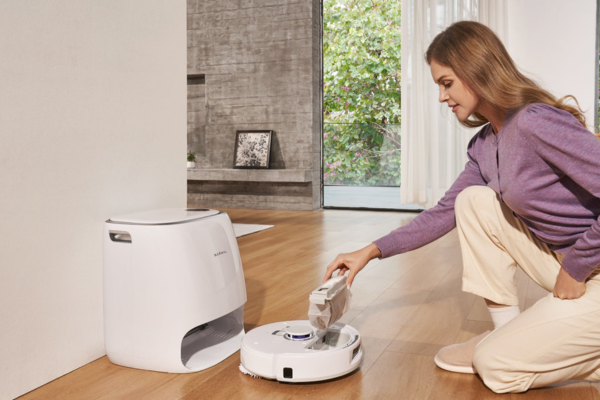
2. Empty the Dust Bin or Replace the Bag
A full bin or overfilled bag is the most common reason for blowback.
- Remove the bin or bag.
- Empty it into a trash can outdoors to prevent dust from escaping inside.
- Wipe the inside clean before reinstalling it securely.
Make sure the container clicks back into place. Even a small gap can cause dust leakage.
3. Check and Clean the Filters
Clogged filters restrict airflow and cause dust to escape through the exhaust vents.
- Locate both the pre-filter and HEPA filter (if available).
- Tap off loose debris or rinse washable ones with clean water.
- Let them dry fully before reinstalling.
Dirty filters are the #1 cause of suction loss, so keeping them clean can solve most issues.
4. Inspect the Hose and Air Path
A blocked hose traps debris and pushes air backward.
- Detach the hose and check both ends for clogs.
- Use a straight hanger, broom handle, or vacuum rod to push out stuck dirt.
- Avoid sharp tools that might puncture the hose.
If you see hair, crumbs, or pet litter inside, clear them until air moves freely.
5. Clean the Brush Roller
If the brush roller can’t spin, it will push debris forward instead of lifting it.
- Flip the vacuum over.
- Remove tangled hair or threads using scissors.
- Wipe the roller compartment, as dust often hides behind it.
A jammed brush can make it seem like your vacuum works, but the dirt will keep scattering.
6. Check Belts, Seals, and Connections
Loose belts or cracked seals leak air and reduce suction.
- Look for any gaps where air could escape.
- Ensure all parts fit snugly, especially around the dust bin and filter housing.
- Replace worn or stretched belts if needed.
Tight connections keep airflow stable and prevent dust from blowing out again.
7. Test on Different Floor Modes
Incorrect settings can cause poor pickup.
- Use $2 only for carpets, and $2 for tile or wood.
- Adjust the height setting to match the floor surface.
If the brush is too high, the vacuum can’t pull debris in; if too low, it can scatter dirt.
8. Reassemble and Test the Vacuum
Once everything is clean and dry, reattach all components firmly. Turn the vacuum on and test it on a small area. If you still notice dust blowback, the issue may be internal—such as a damaged seal, motor leak, or cracked housing.
9. When to Stop DIY and Call Support
If your vacuum continues to spit out dust even after cleaning:
- Suction remains weak
- Dust leaks from the exhaust or bin
- The brush roller does not rotate
- Burning smell or overheating occurs
These are signs you may need professional servicing or replacement.
If you use a Narwal product, do not disassemble the internal components yourself—contact Narwal’s official support team for proper inspection and warranty-safe repairs.
|
Problem Observed |
Likely Cause |
DIY Fix |
|---|---|---|
|
Dust blowing from exhaust |
Dirty or missing filter |
Clean or replace filters |
|
Dirt left on floor |
Jammed brush or weak suction |
Clean brush roller, check belt |
|
Dust leaking near bin |
Loose bin or seal |
Reseat and tighten connections |
|
Strange noise or smell |
Clogged hose or overheating |
Clear hose, let cool before retry |
|
Works but spits debris |
Air gap or cracked seal |
Check gasket, replace if damaged |
How to Prevent Your Vacuum Cleaner from Blowing Out Dust
Preventing your vacuum from blowing out dust is easier than fixing it. Regular care keeps the airflow clean and the suction strong. Follow these habits to stop dust blowback before it starts.
1. Empty the Dust Bin Early
Do not wait until the bin is full. When the container is packed, air pressure inside the vacuum rises and pushes debris back out. Empty it after each major cleaning session or when it is half full. Always reinstall the bin tightly to prevent leaks.
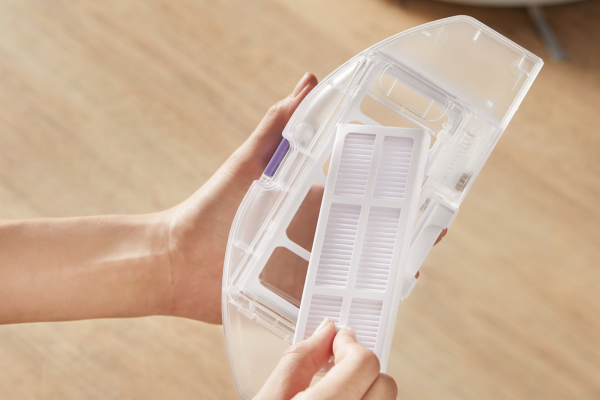
2. Keep Filters Clean
Filters protect the motor and control airflow. A clogged filter is one of the main reasons dust escapes. Wash or replace filters according to your vacuum’s manual. If you vacuum daily or have pets, clean filters every two weeks instead of monthly.
3. Check the Hose and Brush Regularly
Hair and small debris can collect inside the hose or around the brush. Inspect these areas once a week. A clear air path keeps suction stable and prevents blowback.
4. Match Floor Mode to the Surface
Use the right mode for the right job. Carpet mode is for carpets; hard floor mode is for tiles, wood, and laminate. Wrong settings weaken suction and can scatter dust instead of collecting it.
5. Inspect Seals and Connections
Loose or cracked seals let air escape. Once a month, check where the bin, hose, and filter housing connect. A tight seal ensures the vacuum pulls air in, not out.
6. Maintain a Cleaning Routine
The best way to prevent problems is to stay consistent. A one-minute inspection before each use can save hours of deep cleaning later. Make the checklist below part of your regular routine.
|
Frequency |
What to Do |
Why It Matters |
|---|---|---|
|
Every Use |
Empty dust bin or replace bag |
Prevents air pressure buildup and dust blowback |
|
Every Week |
Check brush roller and hose |
Removes hair and clogs that reduce suction |
|
Every 2 Weeks |
Rinse or replace filters (if washable) |
Keeps airflow clear and prevents leaks |
|
Every Month |
Inspect seals and belt tension |
Stops hidden leaks and airflow loss |
|
Every 3 Months |
Deep clean all parts |
Extends vacuum lifespan and improves suction efficiency |
7. Use the Right Vacuum for Your Home
Not all vacuums are made for every job. Avoid using a dry vacuum for wet spills or large debris. If you have pets or long hair at home, consider a model designed for tangle-free cleaning and sealed filtration. It will reduce maintenance and keep your air cleaner.
Prevention is consistency. Empty, clean, and check. A few minutes of care after each use keeps your vacuum efficient, extends its life, and stops dust from ever blowing back into your home.
When to Replace Your Vacuum Cleaner If It Keeps Spitting Dust
If you’ve cleaned every filter, unclogged the hose, and still see dust blowing out, your vacuum may be beyond repair. Most vacuums last between five and eight years depending on how often you use and maintain them. Once core parts start to fail, fixing them costs more time and money than replacing the unit.
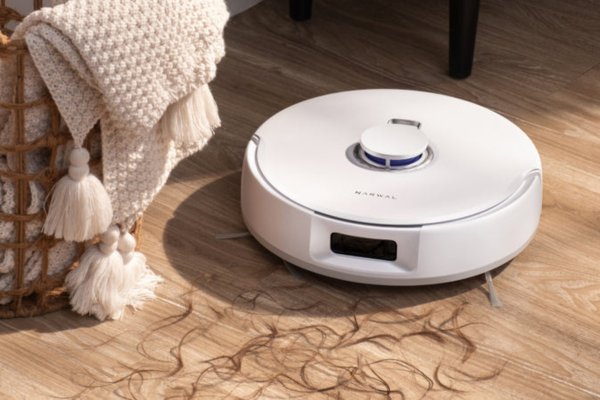
Signs Your Vacuum Is Beyond Repair
You can usually tell when a vacuum is no longer worth fixing. Watch for these clear warning signs:
- Suction never returns even after you clean filters and hoses.
- Dust leaks from the base, bin, or exhaust during use.
- Brush roller or belt breaks repeatedly, or won’t rotate even after replacement.
- The motor overheats or smells burnt after running for a short time.
- The vacuum clogs again within days after each cleaning.
- Replacement parts are expensive or unavailable for your model.
- Noise level or vibration increases noticeably, even on light tasks.
If you’ve experienced several of these issues within a few months, it’s time to consider a new machine. Persistent dust blowback often means internal air seals have cracked or the motor’s suction chamber has weakened—problems that usually aren’t repairable at home
How Long Does a Vacuum Usually Last?
The average lifespan of a household vacuum cleaner depends on its design and care routine.
|
Vacuum Type |
Typical Lifespan |
Common Weak Points |
|---|---|---|
|
Upright vacuum |
5–7 years |
Filters clog, belts wear out |
|
Canister vacuum |
6–8 years |
Hose leaks, motor fatigue |
|
Stick or cordless vacuum |
3–5 years |
Battery degradation, small motor burnout |
|
Robot vacuum |
4–6 years |
Sensor and navigation system failure |
Proper maintenance—emptying the bin early, cleaning filters monthly, and avoiding wet debris—can extend these lifespans by 20% or more. But once suction loss, cracked seals, or motor overheating appear, replacement is usually the most efficient choice.
What to Look for in a Replacement Vacuum
When you decide to buy a new vacuum, focus on features that prevent the same problems you just faced. A good replacement should offer cleaner airflow, stronger sealing, and simpler maintenance.
|
Feature |
Why It Matters |
What to Look For |
|---|---|---|
|
Sealed Filtration System |
Prevents dust leakage through exhaust |
Multi-layer HEPA filtration with tight seals |
|
Tangle-Free Brush Design |
Stops hair buildup and suction blockages |
Auto-detangling or single-arm roller brush |
|
Strong Suction Power |
Ensures deep pickup on all floors |
At least 15,000–20,000Pa suction strength |
|
Self-Cleaning Function |
Reduces manual maintenance |
Hot-water or high-temp self-cleaning system |
|
Quiet Operation |
Keeps cleaning comfortable at home |
≤ 60 dB in standard mode |
If you have pets, carpets, or large cleaning areas, investing in a higher-end model with automatic cleaning and sealed filtration is worth it. These features directly prevent the dust blowback and clogging that older vacuums suffer from.
The Smart Upgrade Mindset
Think of a new vacuum not as a replacement, but as an upgrade to cleaner, healthier living. When a vacuum constantly spits dust, it is no longer cleaning—it is recycling dirt into your home’s air. Choosing a modern, sealed, high-suction model solves that at the source.
If your current vacuum has reached that point, it’s the right time to move on to a cleaner future.
Best Dust-Free Vacuums to Replace Your Old Vacuum Cleaner
If your old vacuum spits out dust or loses suction, the solution is a sealed system that traps debris for good. Narwal offers two next-generation vacuums designed to clean deeply and keep dust contained.
Narwal Freo Z10 Ultra — Robot Vacuum & Mop for a Truly Sealed Clean
[cta:narwal-freo-z10-ultra-intelligent-in-mind-deep-in-clean]
The Freo Z10 Ultra delivers a sealed, dust-free clean with 18,000 Pa suction and EdgeReach™ triangular mopping. It captures 99% of fine particles, cleans tight edges, and seals dust inside its system. The all-in-one base station washes mops with hot water up to 167 °F, dries them completely, and empties debris into a 2.5 L sealed bag that lasts up to 120 days. Its DualFlow tangle-free brushes and real-time AI cleaning adjustments maintain strong suction without clogs or hair wrap. The result is quiet, hands-free cleaning that leaves no dust behind.
|
Key Feature |
Benefit |
|---|---|
|
18,000 Pa sealed suction |
Prevents air leaks and blowback |
|
EdgeReach™ mop extension |
Cleans edges other robots miss |
|
Hot-water mop washing |
Removes sticky dirt and bacteria |
|
120-day self-empty system |
No exposure to dust |
|
Tangle-free brushes |
Minimal maintenance |
Narwal S30 Pro — Wet Dry Vacuum That Ends Dust Blowback
[cta:narwal-s30-pro-wet-dry-vacuums]
The S30 Pro combines 20,000 Pa suction with a fresh-water cleaning system to remove dry and wet messes in one pass. It constantly rinses its roller during use, preventing dirt buildup and fine dust release. After cleaning, it self-washes with 194 °F hot water and dries quietly at 45 dB. Waste is separated, sealed, and removed with a simple bag toss—no contact, no smell.
|
Key Feature |
Benefit |
|---|---|
|
20,000 Pa suction with 20 N force |
Lifts heavy dirt in one pass |
|
Continuous clean-water rinse |
Stops dirt recirculation |
|
Built-in scissors and combs |
Removes tangled hair |
|
194 °F self-clean and dry |
Keeps system fresh |
|
Hygienic waste bag |
Touch-free disposal |
Lightweight at 9.6 lbs, it glides easily under furniture and around corners, keeping every surface spotless and dust-free.
Both Freo Z10 Ultra and S30 Pro eliminate dust blowback. Choose Freo Z10 Ultra for full-home automation and sealed filtration. Choose S30 Pro for fast, deep cleaning on any mess. Either way, your cleaning stays powerful, sealed, and completely dust-free.
Keep Your Home Clean and Dust-Free with the Right Vacuum Cleaner
Dust blowback means your vacuum is no longer doing its job—it’s recycling the mess instead of removing it. Understanding why it happens, fixing airflow issues, and choosing a sealed cleaning system keeps your home truly clean.
Regular care, clean filters, and the right floor mode can restore performance for most vacuums. But if your machine still spits out dust even after maintenance, it’s time for an upgrade. Modern vacuums like Narwal’s robot vacuums and wet and dry vacuums are built with sealed systems, self-cleaning technology, and high-efficiency filtration to stop dust blowback before it starts.
A vacuum that keeps dust contained helps protect your air quality, extends cleaning efficiency, and saves time. Explore the full range of advanced cleaning solutions at Narwal Australia and experience what a truly dust-free home feels like.
FAQs
Why does dust blow out of the vacuum exhaust instead of staying inside?
This usually happens when airflow is restricted or the filtration path is not sealed properly. When air cannot move smoothly through the filters and bin, pressure can force fine dust out through vents or small gaps.
How full is “too full” for a dust bin?
A bin that is packed reduces airflow quickly and can cause blowback. A practical rule is to empty it before it gets completely full, especially once it’s around two-thirds full, so suction stays stable.
Can a HEPA filter still cause dust blowback?
Yes. Even with a HEPA filter, blowback can occur if the filter is clogged, installed incorrectly, or not fully dry after washing. Any restriction or air leak can disrupt suction and push dust out of the system.
Why does the vacuum spit out debris only on hard floors?
Hard floors make scattered particles more visible, and the wrong mode can make it worse. If carpet mode, brush height, or head contact is mismatched, debris may be pushed forward rather than pulled in.
What signs suggest a hose blockage versus a dirty filter?
A hose blockage often causes sudden weak suction and debris puffing near the base or head, sometimes with uneven pickup. A dirty filter tends to cause gradual suction decline, more motor strain sounds, and dust escaping near the exhaust.
Can a tangled brush roller reduce suction even if the motor sounds normal?
Yes. If the roller can’t spin freely, debris may not be lifted into the airflow path efficiently. The vacuum can appear to run normally while still pushing dirt around instead of collecting it.
How do loose seals or cracked gaskets cause blowback?
Air leaks break the vacuum’s pressure system. Instead of pulling debris inward, the vacuum draws or releases air through gaps, which can carry dust out near the bin, joints, or filter housing.
Is it safe to rinse filters and put them back right away?
No. Washable filters must be completely dry before reinstalling. Moisture can reduce airflow, trap dust, and in some cases contribute to odor or motor strain.
When is it no longer worth fixing a vacuum that blows out dust?
If dust blowback continues after cleaning the bin, filters, hose, and brush roller, and you also notice persistent weak suction, overheating, burning smell, or visible air leaks from the body, the issue may be internal damage or failing seals that can make replacement more practical.
